Your warehouse does not have to run at full chaos to hit full capacity. With a few focused moves, you can trim travel, shrink errors, and improve flow. Start with the basics, then layer in data and tech that pay off fast.
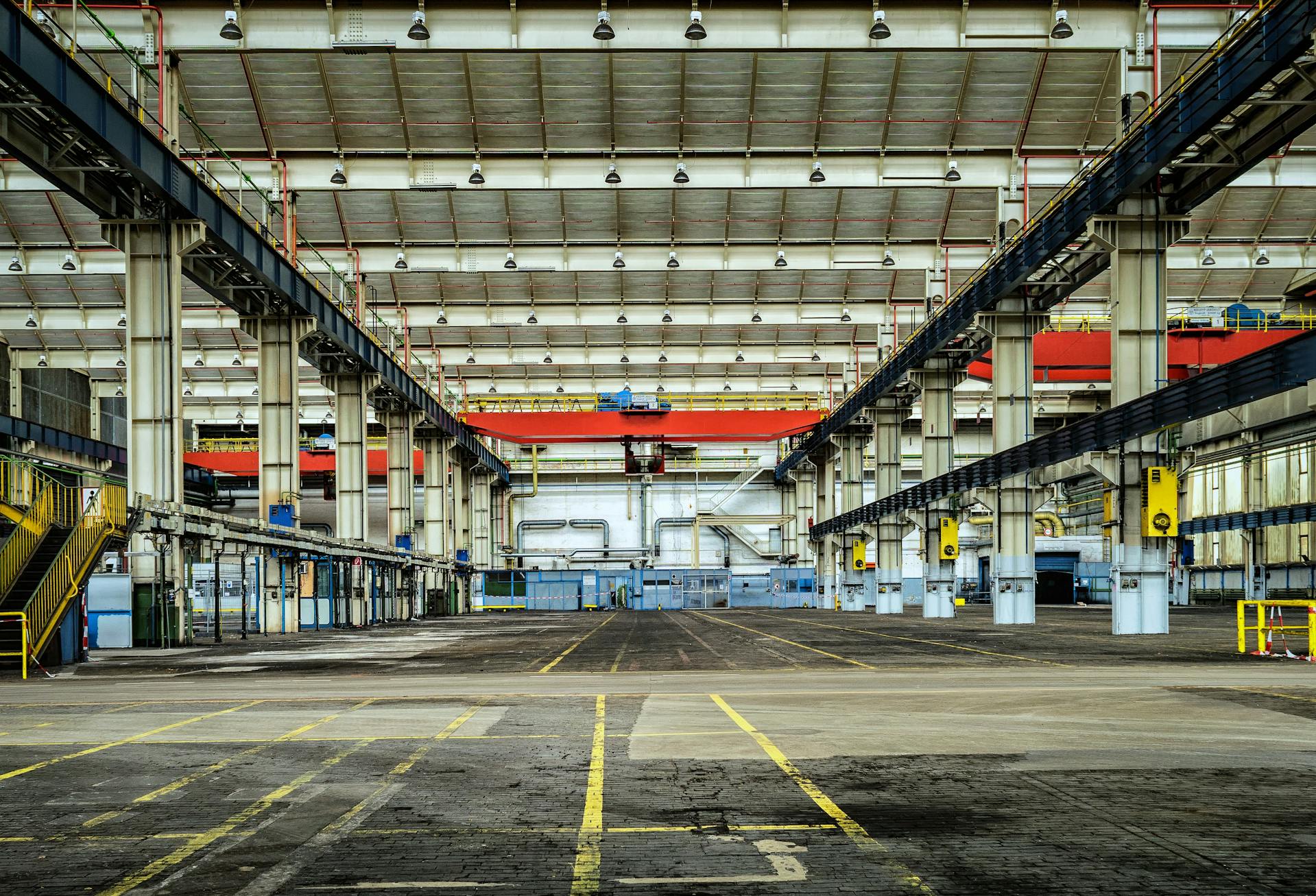
Diagnose Space, Flow, And Waste
Begin with a Gemba walk and a spaghetti diagram. Map how people and pallets actually move, not how the SOP says they should. Time each leg so you can tie pain points to minutes per shift.
Look for blocked aisles, dead zones, and orphan SKUs that force detours. Measure dock-to-stock time for a week to reveal hidden queues. Track how often pickers backtrack or cross paths.
An industry brief highlighted that many facilities struggle with space use and inventory control, which shows up as extra touches and slow counts. Use that insight to set a short list of fixes you can test in a single week. Make each fix visible on the floor so teams can see progress.
Optimize Slotting And Layout
Put your fastest movers closest to pack-out, waist high, and on aisle ends. Keep families of items together so pickers make fewer stops and turns. Re-slot each quarter to reflect seasonality.
Use ABC velocity so your prime slots always hold what ships the most. For mixed-case picks, mirror top movers on both sides of an aisle to cut cross-traffic. Mark golden zones with bold labels that are readable from 2 pallet widths away.
Protect walking paths with minimum aisle widths and a stable one-way flow. Add visual lanes for inbound, putaway, and returns to reduce collisions. Confirm the new layout with a short pilot before you roll it sitewide.
Elevate Storage Density
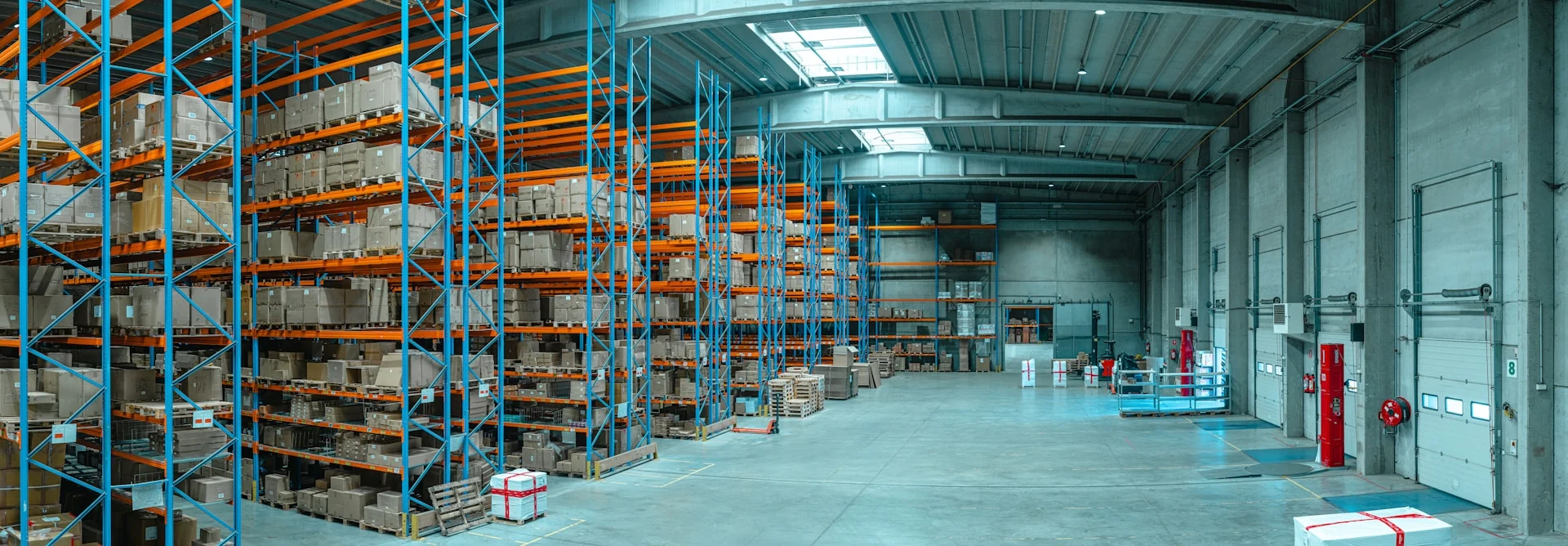
Once your fast movers sit near pack-out, start thinking upward instead of outward. Modern vertical warehouse storage systems reclaim floor space and bring goods to pickers without long walks. They tighten counts and improve ergonomics, which lowers errors and fatigue.
Check height, weight, and SKU size limits before you commit. Pilot with a narrow SKU set so you can compare lines per labor hour pre and post. Document maintenance needs alongside uptime targets.
Blend dense storage with point-of-use replenishment. Keep small, fast items in quick-pick zones and feed them from the vertical units. Review replen triggers weekly until the rhythm is stable.
One of the most effective vertical storage technologies for facilities with high SKU counts and limited floor space is the vertical lift module, which uses an automated tray retrieval system to bring items directly to the operator at an ergonomic access point rather than requiring workers to walk, search, or climb. Unlike static shelving or manual vertical carousels, vertical lift modules adapt storage height dynamically to maximize cube utilization across trays, often recovering two to three times the floor footprint of the storage they replace. Facilities ready to evaluate this technology can explore the vertical lift modules offered by Prestige Storage & Material Handling, which provides configuration support and equipment expertise to help warehouses identify the right system for their SKU profile, throughput needs, and available footprint.
Reduce Touches With Flow Tactics
Every extra touch adds time, error risk, and damage. Use cross-docking for prepacked, pre-labeled freight so cartons move from inbound to outbound without shelf time. Create a fast lane for single-line orders so they never enter bulk storage.
For multi-line orders, batch picks by zone and sort downstream. Use mobile printers to label at the pick face and cut pack bench congestion. Add scan checks at each gate so exceptions are caught early.
Design putaway for speed over perfection. Park hot SKUs in forward pick and defer deep storage until demand dips. Review where exceptions pile up, then simplify the rule that created them.
Standardize Work And Train For Speed
Write standard work for the top 10 activities and post the steps at the point of use. Keep each step short, visual, and testable. Pair rookies with experienced operators for the first 3 shifts.
Run daily 10-minute standups at the busiest gate. Review yesterday’s wins, today’s bottleneck, and one small experiment. Keep the board simple so anyone can read the score at a glance.
Cross-train teams to flex to the constraint within the same shift. Rotate roles to avoid fatigue and build resilience. Use micro-drills for scanning, labeling, and sealing to build muscle memory.
Lean Into Data And KPIs
Set a simple dashboard that leaders and pickers both understand. Start with a baseline week so trends are clear. Share results on the floor so crews see the goal and the gain.
- Lines picked per labor hour
- Dock-to-stock time
- Order cycle time
- First-pass yield for picks
- Space utilization by zone
- On-time dispatch rate
Use exceptions to guide where to look next. When a metric moves the wrong way, run one experiment for one week. If it works, lock it in and move to the next constraint.
Automate And Design For Safety
Automate where the work is repetitive, time-sensitive, and error-prone. Start with scan verification, pick-to-light, and label printing at pack-out. A government report noted that labor productivity rose in 2024, and small automation steps can help your site ride that trend without a massive capital hit.
Place heavy SKUs between knee and chest height to protect backs. Use lift tables and tilt bins to keep work in the safe zone. Set clear traffic rules so people and equipment do not compete for the same space.
Build safety checks into standard work rather than treating them as extras. Track near-miss events alongside output so you never trade speed for risk. Safer motions are often faster over a full shift.
Your warehouse will not transform in a day, but steady gains compound fast. Pick one metric, try one change, and measure results in a week. If the change pays off, standardize it and move to the next bottleneck.