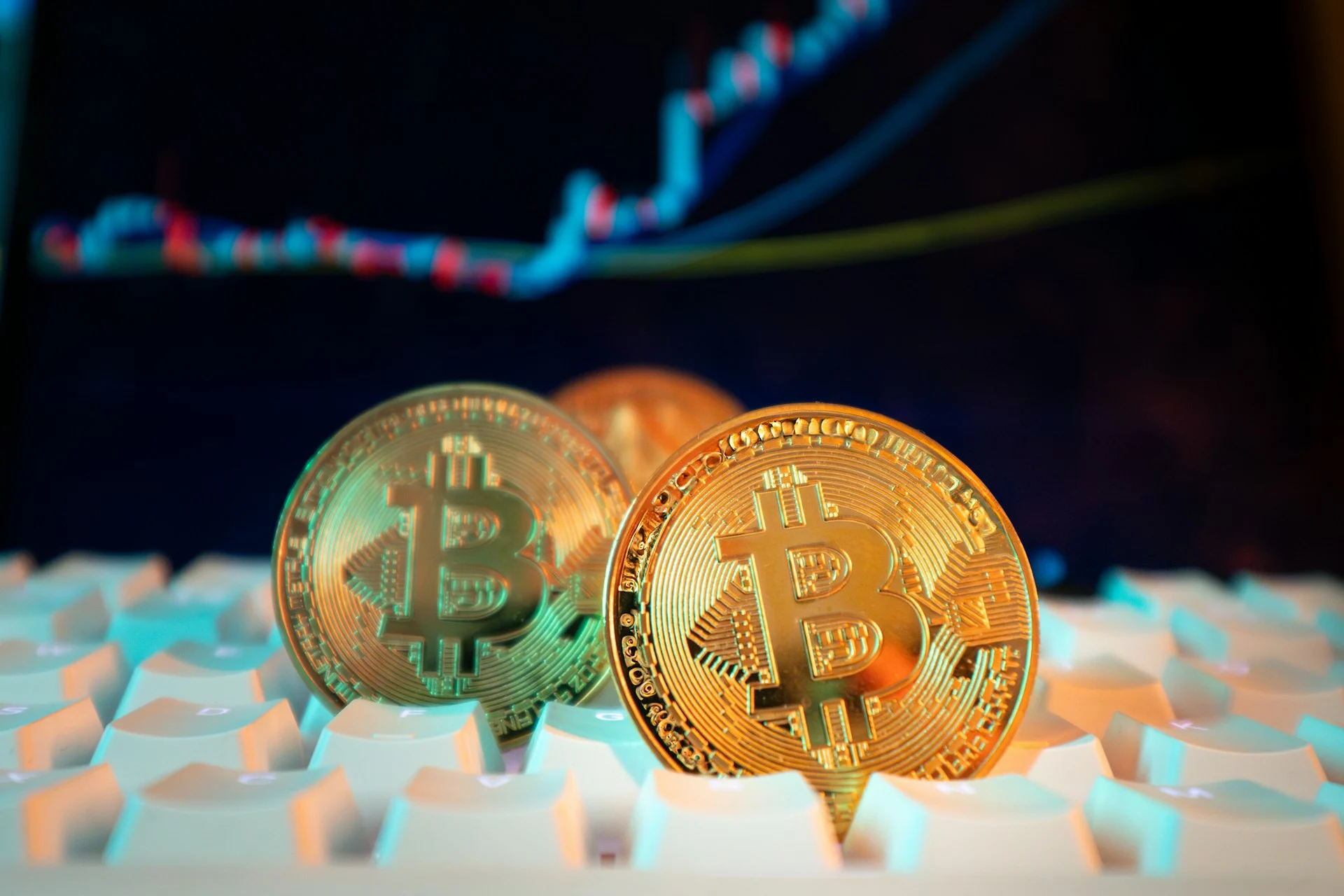
As blockchain use grows across finance and even everyday digital interactions, more people are storing value on-chain than ever before. This wider adoption creates new opportunities, but it’s a double-edged sword, as it also increases the number of threats you need to watch out for. Digital assets, from cryptocurrencies to NFTs and tokenized documents, are only as safe as the measures you take to protect them. With more transactions occurring and more platforms emerging, you’re navigating an environment where security must stay ahead of convenience.
Protecting your assets isn’t just about choosing a reliable exchange or understanding how blockchain works. It’s about building habits and using tools that keep you in complete control of your funds. Whether you’re storing Bitcoin or managing an XMR wallet for your Monero, the steps you take now can determine how secure your digital wealth remains as adoption continues to rise.
1) Strengthen Your Wallet Security from the Ground Up
Your wallet is the closest equivalent to a digital safe, so it needs to be protected with care. This starts with choosing the right type of wallet and configuring it properly. You can pick between custodial and non-custodial wallets, but the second option gives you full control of your private keys, which strengthens your safety as long as you handle them correctly.
Using a non-custodial setup becomes even more important as blockchain activity expands. A product like a Monero wallet, for example, places emphasis on user privacy and lets you hold your keys directly, giving you more control over your funds. Whatever wallet you choose, aim to combine strong passphrases with two-factor authentication when available. These simple steps create a foundation that’s much harder for bad actors to break through.
2) Treat Your Keys and Recovery Phrases as the Core of Your Security
Private keys and recovery phrases are the real gatekeepers of your assets. Anyone who accesses them can move your funds without your permission. Because more blockchain apps, games, exchanges, and DeFi platforms are opening every month, the number of phishing attempts is rising as well. This makes it essential to treat your keys like confidential information you never share, not even with people who appear to represent customer support.
Write your recovery phrase on paper instead of storing it on a device to reduce digital exposure. Keeping that paper somewhere safe and dry gives you a reliable backup that isn’t vulnerable to malware or unauthorized remote access. If you want an additional layer of security, consider storing redundant copies in separate secure locations so that no single event can compromise your access to your digital assets.
3) Use Hardware Wallets for Long-Term or High-Value Storage
Hot wallets make it easy to transact daily, but they also stay connected to the internet. If you hold assets that you don’t plan to move often, consider upgrading to a hardware wallet. These devices store your keys offline and keep them out of reach from the malware and phishing attempts that are becoming more common as blockchain adoption widens. With a hardware wallet, even if your computer is infected or someone gains access to your main device, they won’t be able to move your assets without the physical hardware.
4) Stay Updated on Security Threats as the Ecosystem Evolves
The blockchain ecosystem changes quickly. New platforms come in, vulnerabilities are discovered, and malicious actors adapt their methods just as fast as the technology expands. To stay ahead of bad actors, you must remain aware of these changes. You don’t need to become a cybersecurity expert, but you do need to keep an eye on updates from the wallet providers and networks you use.
Subscribing to alerts and following reputable developers can help you do this. The same can be said about joining community discussions, which can help you recognize new threats early. When you see reports of phishing emails or newly discovered smart-contract risks, you gain the awareness needed to avoid these traps.
5) Verify Every Platform Before You Connect Your Wallet
Blockchain adoption has encouraged the rise of countless apps and platforms, but not all of them operate with the same level of security or transparency. Smart contracts can contain bugs, while new NFT marketplaces may not be audited. Even seemingly legitimate tools can carry hidden risks if you don’t check their credibility.
As such, before you connect your wallet to any new platform, take a moment to verify its reputation. Reviews and security audits, even active communities, can help you determine whether it’s trustworthy. You should also inspect the domain you’re accessing, since many phishing sites mimic the look of legitimate services. A few minutes of checking saves you from exposures that could compromise your assets.
6) Protect Your Devices as Carefully as Your Wallets
Your device is often the first target of any security breach. Reduce your safety risks by keeping your software updated and using anti-malware tools. Also, avoid downloading files from unknown sources and refrain from connecting to networks using public Wi-Fi. Couple these practices with the use of strong passwords on your device and using a VPN whenever possible.
Blockchain’s growth means more opportunities for innovation, but it also increases the value of strong security practices. As more people enter the space, the threats grow alongside the benefits. Protect your digital assets today to help you stay ahead of that curve. If you strengthen your tools and stay informed as changes keep rolling out, you’ll be able to build a security foundation that keeps your assets resilient even as adoption continues to rise.