
Hematology is entering a new era. New tools, new therapies, and new ways of understanding blood diseases are reshaping the entire field. Progress is faster, safer, and more patient-focused than ever. The next decade will look very different from the last.
This topic matters, and few people understand the landscape better than Dr Leigh Beveridge (Australia). He is a physician-scientist and biotech leader with deep experience in hematologic diseases, late-stage drug development, and clinical strategy. His work has touched programs in complement science, autoimmune hematology, and leukemia. He has seen how ideas move from lab theory to real treatments. His insights set the tone for where the future is going.

How Blood Diseases Are Being Understood in New Ways
Researchers used to group blood disorders into broad categories. Today, the picture is sharper. We can identify tiny genetic signals, immune pathways, and molecular patterns that shape each disease.
Scientists now track biomarkers that help predict how someone will respond to a therapy. This means treatments can target smaller groups but do so more effectively. The shift is huge. It replaces a “one size fits all” mindset with one that feels more personal and precise.
Dr Leigh Beveridge (Australia) said he remembers reviewing early trial data where a subgroup of patients responded far better than expected. “We almost missed it,” he shared. “When we split the data a different way, we saw a pattern we hadn’t noticed. After that, the whole strategy changed. It taught me to look closer at the story behind the numbers.”
This kind of pattern-spotting is shaping the future. Researchers catch things faster. They drop ideas sooner. They push promising ones forward at a pace that would have seemed impossible 15 years ago.
According to global reports, more than 450 hematology clinical trials are underway in the United States alone, and almost half focus on targeted therapies. That is a major shift from older drug development models.
The Rise of Complement Therapies and Immune Pathway Targeting
Complement science is one of the most active areas in hematology. Disorders like PNH, cold agglutinin disease, and immune-mediated cytopenias are being treated with drugs that block or modulate specific parts of the immune system.
This approach helps reduce symptoms while avoiding broader immune suppression.
One researcher described complement as “a messy home alarm system.” It can save the day or create chaos. New therapies turn that alarm down only in the rooms where it’s misfiring.
Dr Beveridge once explained that working in complement science felt like “learning a new language every quarter.” He joked that each update brought a new acronym. “But once you understand the logic,” he added, “you see how many diseases connect to that same switch in the immune system.”
This kind of cross-disease insight will lead to more therapies that treat multiple conditions with the same mechanism. It cuts time, cost, and uncertainty.
Gene-Based Tools: Not Science Fiction Anymore
Gene editing and gene therapy are moving into hematology more quickly than many expected. Conditions like sickle cell disease now have gene-based treatments approved in some countries. That milestone signals a big shift.
For years, treatment meant lifelong care. Now, the idea of long-term correction is becoming real.
The global market for gene therapy is projected to grow by 20% per year over the next decade. Hematology is expected to be one of the top areas driving that growth.
Dr Beveridge noted in a team meeting once that early gene-therapy data felt like “watching the next chapter of medicine begin in real time.” His advice to younger scientists: “Pay attention to these early wins. They will change how you think about every disease you study.”
Better Trial Design With More Patient Voices
New treatments demand better clinical trials. Old models were slow and heavy. Today’s trials are more agile, and they rely more on patient feedback. This leads to fewer dropouts, more useful data, and clearer insights into real symptoms.
Researchers now track fatigue, daily function, and quality-of-life measures alongside lab results. For some patients, a therapy that improves energy levels matters more than one that changes a lab number by a tiny margin.
Dr Beveridge once described a moment during a patient advisory meeting where a man said he just wanted the strength to walk to his mailbox again. “That comment changed how we evaluated treatment goals,” he said. “It grounded the entire team.”
Trials that include patient voices early tend to move faster and produce treatments that people actually want to use.
Real-Time Data and Faster Adjustments
With better tracking tools, researchers no longer need to wait months to understand what a therapy is doing. They can adjust trials earlier. They can end weak studies faster. They can expand strong ones sooner.
This creates a faster pipeline. According to industry reports, recent trial-acceleration methods have cut development times by up to 30% in some programs.
Faster does not mean careless. It means smarter choices, clearer signals, and fewer dead ends.
How Companies Are Working Together More Than Ever
Hematology research now involves partnerships between large biotech companies, academic labs, and patient groups. Shared data and shared resources move ideas along more smoothly.
Co-development models reduce risk. They also allow bold ideas to reach trials that smaller teams could not run alone.
This creates a richer pipeline. Treatments come from unexpected places. Ideas grow from conversations rather than long, slow silos.
Dr Beveridge once said, “Some of the best insights came from people outside my specialty. They saw the problem from a cleaner angle.” That spirit of collaboration will shape the next generation of therapies.
How the Field Can Move Forward Faster
Here are key actions researchers, leaders, and teams can apply today:
1. Listen closely to subgroups.
Patterns hide inside data. Smaller groups can reveal breakthroughs that change entire programs.
2. Include patient voices early.
Real symptoms and real priorities help shape better trial outcomes.
3. Support more diverse leadership.
Teams with varied backgrounds make sharper decisions. Stronger representation strengthens the science.
4. Build learning habits.
New research arrives daily. Small learning routines keep teams energized and aware of trends.
5. Test bold ideas sooner.
Safe, early testing can help identify which concepts deserve investment.
6. Work across disciplines.
Great insights often come from fields outside hematology.
7. Celebrate curiosity.
Questions drive progress. Curiosity should be a core part of team culture.
Where Innovation Goes From Here
The future of hematologic drug development is bright. New tools are emerging. New targets are opening. New ways of thinking are reshaping the field.
Progress will be faster, more precise, and more personal.
The next decade will bring therapies that once sounded impossible. And thanks to leaders like Dr Leigh Beveridge (Australia), the field is moving toward a future built on curiosity, clarity, and human-centered science.
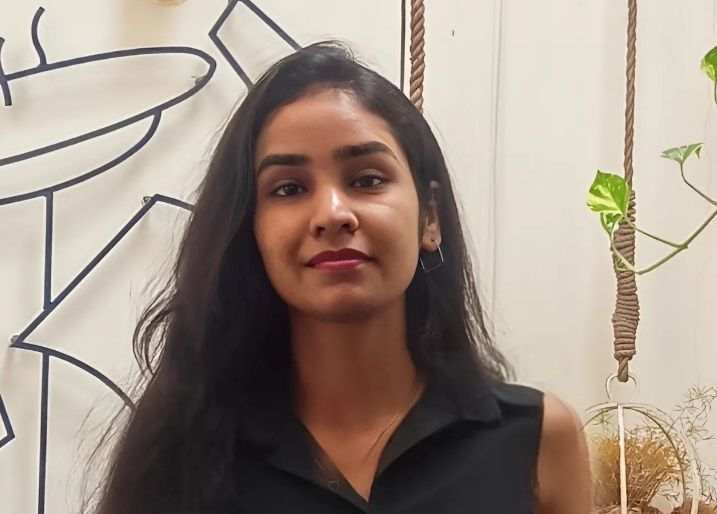
Himani Verma is a seasoned content writer and SEO expert, with experience in digital media. She has held various senior writing positions at enterprises like CloudTDMS (Synthetic Data Factory), Barrownz Group, and ATZA. Himani has also been Editorial Writer at Hindustan Time, a leading Indian English language news platform. She excels in content creation, proofreading, and editing, ensuring that every piece is polished and impactful. Her expertise in crafting SEO-friendly content for multiple verticals of businesses, including technology, healthcare, finance, sports, innovation, and more.