
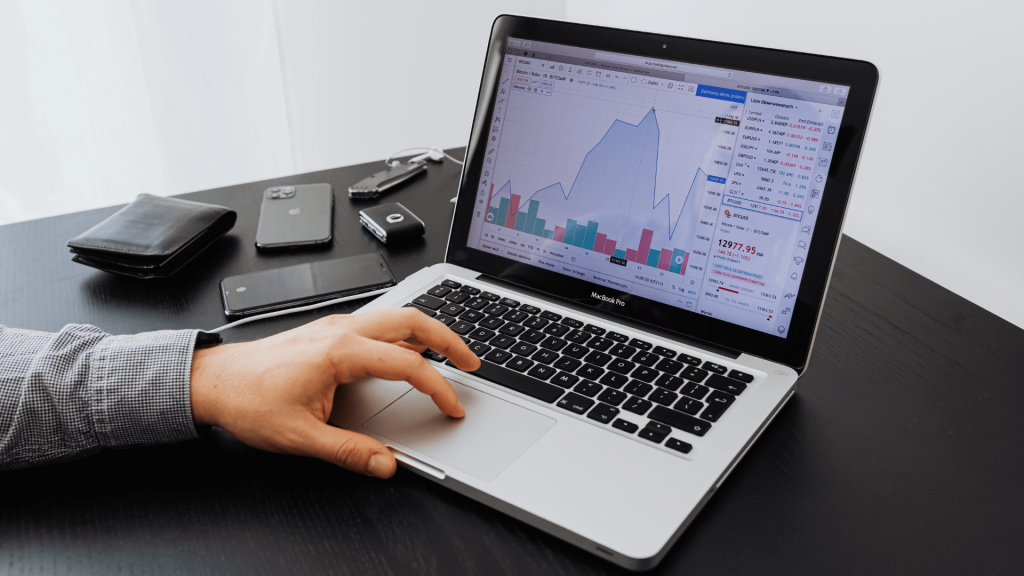
What makes one trading platform grow while another stalls. In many cases, the answer sits inside the system itself. Traders pick tools that act fast, show clear data, and open the door to strategies they can control.
That’s where custom trading software development becomes a strategic investment rather than a tech expense.
This article breaks down how custom trading tools take shape, which components matter most, and what business outcomes they influence. If you’re building or upgrading a trading product, you’ll leave with a clear sense of what works, what fails, and what the market expects next.
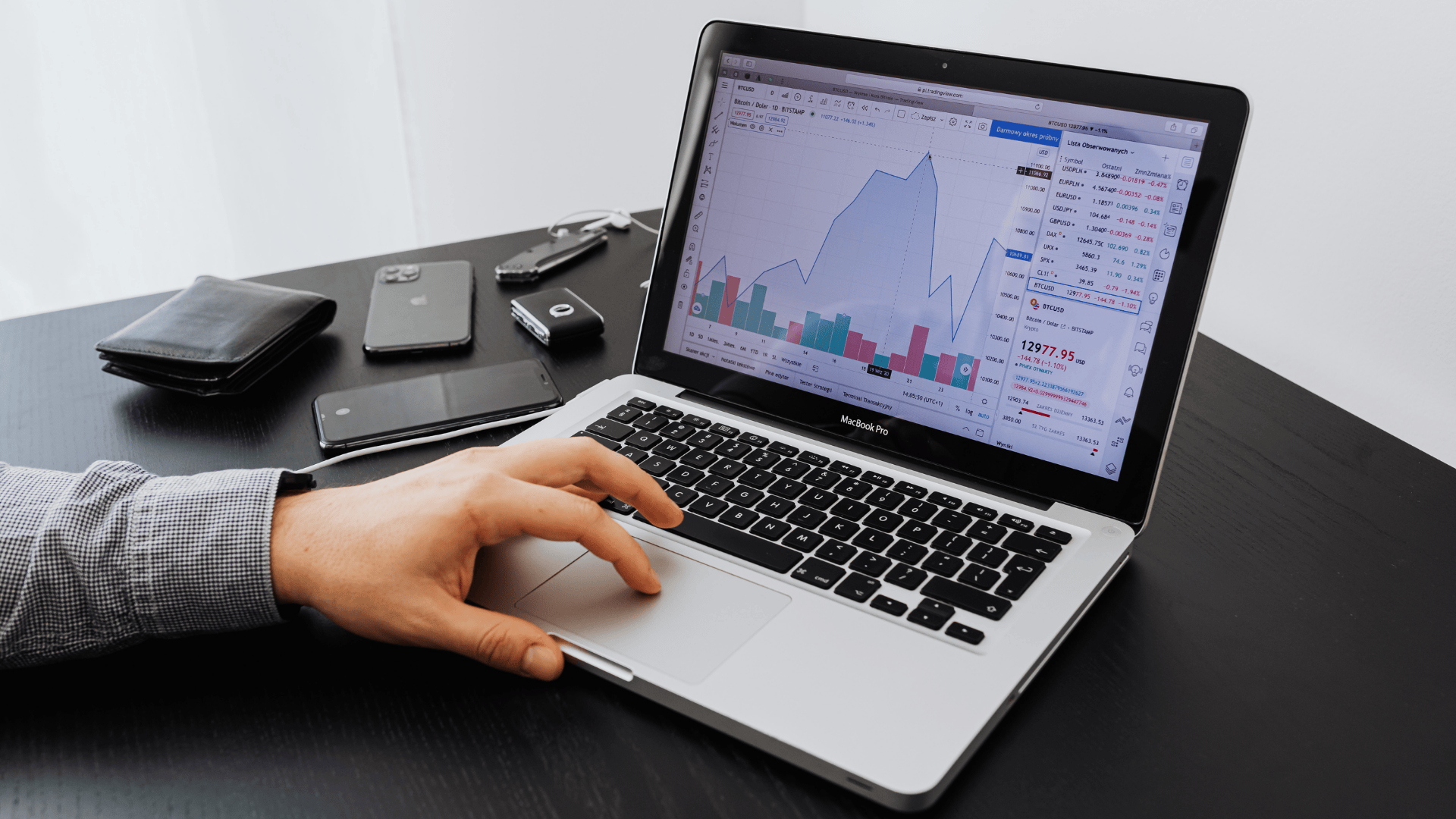
Why Companies Choose Custom Trading Software Instead of Ready-Made Platforms
Off-the-shelf platforms help teams launch quickly. But they shape how you operate, how you scale, and what your traders can or cannot do.
Custom trading software development flips that. You define the trading logic, interface, integrations, and compliance rules. The result becomes your competitive advantage rather than a shared commodity. Buyers usually turn to custom development for four reasons:
- Faster execution.
General platforms batch orders or rely on shared routing paths.
A custom engine can cut these hops, shrinking execution time and reducing slippage.
- Specialized trading flows.
Algorithmic, high-frequency, options-focused, or multi-asset traders need logic that generic tools simply don’t include.
- Flexible compliance controls.
Your risk-rules, KYC flow, and reporting logic match your jurisdiction and client types.
- Scalability based on actual usage patterns.
You scale the system around real order volume, not vendor-imposed limits.
These factors directly affect retention, conversion, and trade volume. When platforms feel intuitive and reliable, users stay longer and trade more.
Read More: sway markets
Core Components of Effective Custom Trading Software
Every strong trading system follows a similar structure. The difference lies in execution: how you design each layer and how the layers communicate. Here’s a breakdown of the essential parts.
1. Market Data Engine
This engine digests price feeds from exchanges, liquidity providers, or market-making firms. Its job is to absorb large volumes of tick-level data with minimal delay.
A good market data engine includes:
- Real-time normalization so all feeds speak the same format.
- Smart caching to avoid overloading the UI or algorithms.
- Failover logic that switches sources if one feed freezes.
Delays of even a few milliseconds influence trade outcomes, especially in automated strategies.
2. Order Management System (OMS)
The OMS handles every action a user or algorithm performs. It decides whether an order is valid, routes it, and tracks its lifecycle.
A well-designed OMS includes:
- Pre-trade risk checks.
- Exposure limits by client, account, or instrument.
- Routing rules based on price, liquidity depth, or fee structure.
The mechanics are simple. Cleaner logic results in fewer order rejections and more predictable fills.
3. Execution Management System (EMS)
While the OMS governs order logic, the EMS executes strategies. Institutional traders often separate these layers to control routing, slicing, and hedging.
EMS features may include:
- Time-weighted or volume-weighted execution.
- Smart order routing across exchanges.
- Auto-hedging for derivative positions.
Retail platforms usually merge OMS + EMS. Advanced brokers separate them for speed and strategy control.
4. Risk Management Module
Trading companies live or die based on risk discipline. Automated risk checks protect both you and your clients.
A strong risk module can enforce:
- Margin rules.
- Position limits.
- Exposure across correlated instruments.
- Liquidity thresholds for thin markets.
It evaluates risk before, during, and after trade placement. This reduces compliance violations and unexpected losses.
5. User Interface and User Experience (UI/UX)
A trading interface must be simple at first glance and powerful under the hood. Traders want clarity, not noise. Common UI components include:
- Real-time charts.
- Order book views.
- Customizable widgets.
- Shortcut-driven trade panels for speed.
Small changes in UI behavior can significantly affect trade execution and platform loyalty.
6. Reporting, Analytics, and Compliance Tools
Regulators demand transparency. Clients demand clarity. Your reporting layer typically covers:
- Trade confirmations.
- Statements.
- PnL dashboards.
- Regulatory reports (MiFID II, EMIR, SEC, or other local rules).
Structured reporting reduces operational workload and speeds audits.
Common Platform Types Built Through Custom Trading Software Development
Each business model pushes development teams toward a specific architecture. Here are the most frequent categories.
Web Trading Platforms
Browser-based tools attract both new and experienced traders. They provide instant access with no installation barriers. Performance depends on front-end engineering and streaming technology.
Mobile Trading Apps
Mobile trading has exploded in the past decade. Users expect fast onboarding, responsive charts, biometric authentication, and easy trade placement. Many fintech companies start with mobile-first strategies to reach wider audiences.
Algorithmic Trading Systems
Algo traders need:
- Low latency data feeds.
- API endpoints for strategy automation.
- Backtesting engines for strategy validation.
These systems require careful optimization and safety limits to avoid runaway orders.
Copy-Trading and Social-Trading Platforms
These platforms link strategy providers with subscribers. Key components include:
- Real-time position mirroring.
- Risk filters.
- Ranking algorithms based on performance metrics.
Trust and accuracy matter more than any marketing message.
Multi-Asset Brokerage Platforms
Many companies expand into new asset classes: FX, stocks, crypto, commodities, or derivatives. Each asset introduces distinct regulatory and liquidity requirements. Custom software keeps these rules consistent inside one unified system.
Table: What Custom Trading Software Adds Compared to Ready-Made Solutions
| Feature | Ready-Made Platforms | Custom Trading Software |
| Strategy flexibility | Limited presets | Full freedom to define logic |
| Integration options | Vendor-controlled | Connect any data or liquidity source |
| Branding | Shared look and feel | Unique client experience |
| Scalability | Fixed tiers | Built around your volume |
| Compliance controls | Generic | Specific to your jurisdiction and risk rules |
| Long-term cost | Monthly vendor fees | Investment that increases platform value |
The Development Process: How Custom Trading Software Takes Shape
Every trading platform follows a predictable development path. The quality comes from how carefully each step is executed.
Step 1: Discovery and Business Analysis
Teams map the trading model, user scenarios, and compliance rules. This ensures the system supports real trading behavior rather than abstract workflows.
Outputs typically include:
- Required instruments and data feeds.
- Expected order flow.
- Risk rules.
- API needs.
- Scalability requirements.
Step 2: Architecture Design
Architects define how data flows through the system. Latency, throughput, and fault tolerance shape the architecture. This stage decides the system’s future stability.
Step 3: Development
Front-end, back-end, data-engineering, and QA teams work in parallel. The trading logic is coded, tested, and validated in controlled environments.
Clear documentation ensures every rule is testable.
Step 4: Testing and Simulation
Trading software undergoes more testing than most fintech systems.
Common test types include:
- Load testing for peak volumes.
- Latency measurement.
- Algorithmic stress testing.
- Failover testing for feed interruptions.
- Regression tests for each build.
These tests catch issues early, long before they impact real traders.
Step 5: Deployment and Monitoring
Deployment often goes through multiple environments:
- Dev
- QA
- UAT
- Production
Monitoring tools track price feed delays, order routing performance, and error frequency. Teams fix issues before users notice them.
Example: How Custom Trading Development Influences Business Outcomes
A mid-size brokerage wanted to expand into algorithmic trading. Their existing platform had a 200–300 ms delay between market data updates and order routing. Algorithmic users complained about slippage and incomplete fills.
After building a custom OMS + market data engine, latency dropped below 30 ms. Execution quality improved. Algorithmic traders increased their monthly volume, raising the brokerage’s revenue per client.
This demonstrates a simple mechanism. Lower latency leads to better fills. Better fills attract high-volume traders. Higher volume increases revenue.
Security: A Core Part of Every Trading System
Trading platforms face constant threats: data leaks, market manipulation attempts, credential theft, and traffic spikes.
A mature security stack usually includes:
- Encrypted market data delivery.
- Multi-factor authentication.
- Secure API keys.
- Segregated environments.
- Rate-limit controls.
- Continuous monitoring.
Security protects traders, preserves regulatory compliance, and strengthens your reputation.
Costs and Timelines: What Buyers Should Expect
Costs depend on platform type, asset classes, and integrations. Simple retail apps require fewer components. Institutional multi-asset systems demand far more engineering.
Typical timeline factors:
- Number of trading instruments.
- Required APIs and data providers.
- Order types.
- Volume expectations.
- Regulatory requirements.
Companies often invest incrementally. Phase 1 launches the core engine. Next phases add analytics, advanced charts, automation, or alternative asset classes.
What to Look for in a Development Partner
Trading systems require specialists with market expertise. General software teams often miss key details that affect execution quality.
Strong development partners can:
- Explain how an OMS and EMS differ.
- Discuss expected latency in measurable terms.
- Show prior experience with FIX, WebSocket feeds, or exchange APIs.
- Build risk rules that match your regulatory model.
Final Thoughts: Why Custom Trading Software Development Matters Now
Trading is evolving quickly. New asset classes emerge. Retail traders demand better UI and instant feedback. Institutional traders push for speed and precision.
Custom trading software development offers a path where your platform grows with your clients, not with a vendor’s roadmap. You define the trading experience. You control the technology. You own the outcomes.
If your goal is differentiation in a crowded market, custom development gives you the structure and performance required to build that advantage.

Peyman Khosravani is a seasoned expert in blockchain, digital transformation, and emerging technologies, with a strong focus on innovation in finance, business, and marketing. With a robust background in blockchain and decentralized finance (DeFi), Peyman has successfully guided global organizations in refining digital strategies and optimizing data-driven decision-making. His work emphasizes leveraging technology for societal impact, focusing on fairness, justice, and transparency. A passionate advocate for the transformative power of digital tools, Peyman’s expertise spans across helping startups and established businesses navigate digital landscapes, drive growth, and stay ahead of industry trends. His insights into analytics and communication empower companies to effectively connect with customers and harness data to fuel their success in an ever-evolving digital world.










