Electric cars are no longer just an option; they are the future of transportation. As more drivers move towards electric cars, the need for efficient, reliable charging infrastructure is growing.
Building robust charging networks is not only about installing additional chargers; it also requires establishing an efficient, quick, and user-friendly payment process. Today, drivers are seeking convenience, and that starts with the way they pay to charge.
Smart payment technology is contributing significantly to meeting those expectations by changing how transactions are made at charging points. It streamlines payments, reduces wait times, and enables operators to run their stations more effectively.
Such technologies are transforming the entire charging experience and can help ensure the world transitions to sustainable mobility. The below sections will discuss how smart payment systems are driving EV charging stations and value creation to both users and operators.
1. Simplifying Payments for a Seamless Charging Experience
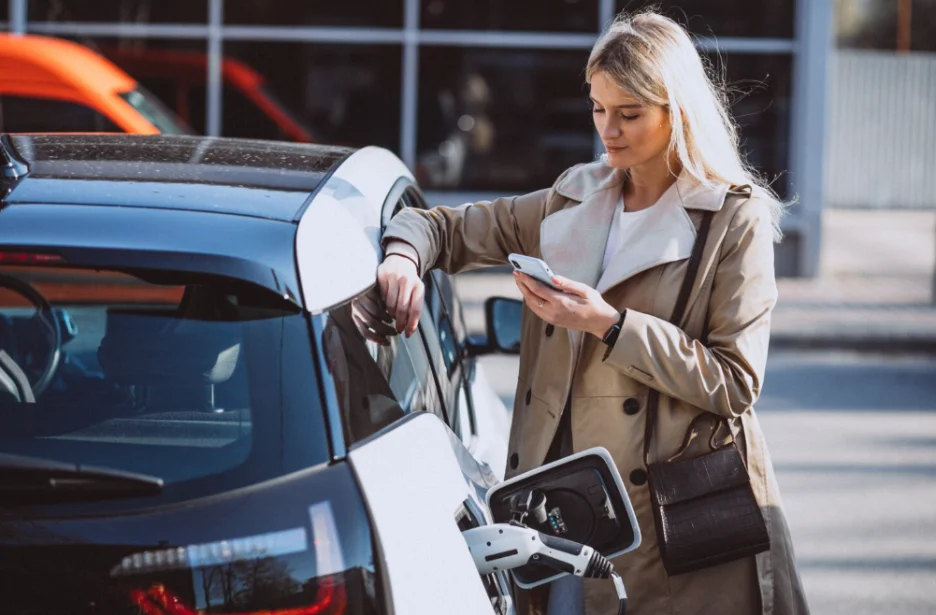
The complex payment system has posed a significant challenge for many drivers when using public chargers. Conventional systems often require users to download separate apps, create accounts, or connect to specific networks before they can start charging.
Smart payment technology transforms this through simple, direct, and cashless payment methods. Drivers can simply tap their card, scan a QR code, or tap their mobile wallet to begin charging immediately at charging stations equipped with advanced payment terminals.
This advancement in EV charging station payment solutions ensures that every transaction is quick and seamless for users. Such an integrated solution will save time and effort because it will not require multiple applications or subscriptions.
Moreover, operators experience faster transaction processing and lower maintenance costs due to fewer failed payments and fewer account issues. Once the payment process becomes hassle-free, users are more likely to use the service, and this trust will make them revisit.
In the long term, such convenient, easy payments will help build loyalty and encourage broader acceptance of electric mobility.
2. Supporting Multiple Payment Methods for Better Accessibility
The contemporary driver seeks flexibility in payment terms. Users prefer having the option to pay with credit cards, debit cards, contactless payments, or digital wallets.
Smart payment technology enables charging stations to accept multiple payment methods and currencies across regions. This open system ensures that local drivers and visitors can pay without worrying about compatibility or registration issues.
With the adoption of open-loop payment methods, charging stations can provide the same seamless payment experience users enjoy at department stores or fuel stations.,
Such open accessibility not only enhances convenience to the drivers but also expands the revenue potential of the station owners. Accepting a variety of payment methods helps stations attract more users, including international users and fleet operators.
Consequently, operators enhance network coverage and provide a stable, convenient experience, thereby ensuring driver satisfaction.
3. Integrating Payments with Hardware and Management Platforms
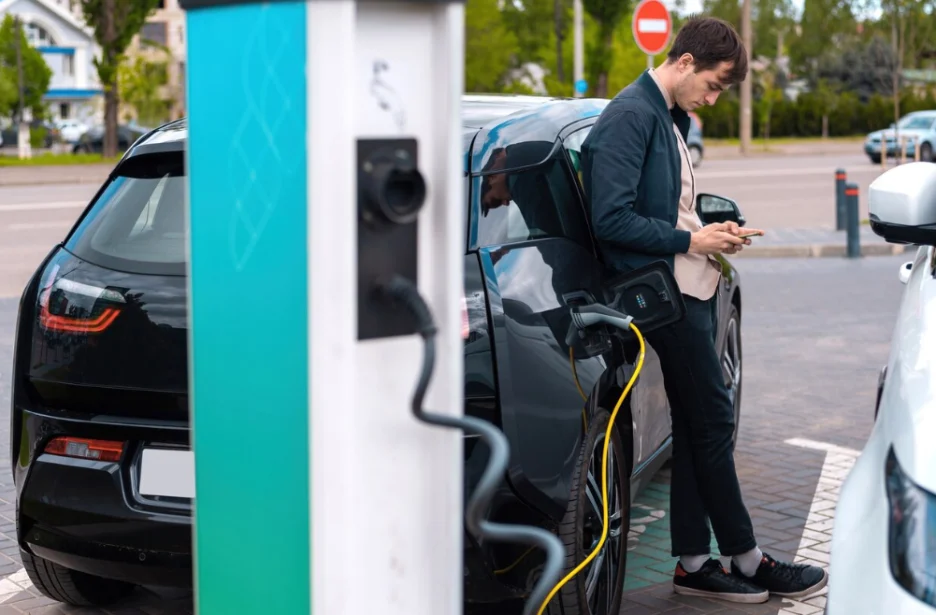
The potential of smart payment technology is further enhanced when it is linked to charging equipment and management systems. Integrated platforms enable operators to handle payments, pricing, and energy distribution within a single system rather than operating them separately.
This degree of integration facilitates real-time tracking, session tracking, and automatic updates, thereby making the operations much more efficient. For example, every charging session can be linked to payment data via a cloud-based management system to provide information on user trends, peak hours, and transaction volume.
Dynamic pricing can then be used by operators to dynamically balance loads and provide loyalty rewards based on real-time information. From the user’s perspective, integration will mean that all processes —plugging in, payment, and so on — will be completed without any unwarranted delay.
This unified method provides a stable foundation for expanding networks as EVs increase on the road, helping operators manage the situation and providing a uniform charging experience across locations.
4. Creating New Revenue Streams and Improving Efficiency
In addition to making payments easier, smart technology presents new business opportunities for charging operators. With the ability to monitor usage and conduct behavioral analysis, they can develop pricing models that suit various customers.
For example, they can offer subscription options for frequent users, reduce prices for fleets, or offer loyalty discounts to encourage repeat usage. These features transform a one-dimensional charging experience into a customized customer experience that brings consistent revenue.
Moreover, the information collected through linked payment systems assists the operators in making better decisions related to their operations. They are able to know the most productive stations, predict maintenance requirements, and reduce downtime.
Combined with automated reporting, operators conserve time in manual accounting and devote more time to growth strategies. This sort of insight not only boosts efficiency but also enhances profitability.
Smart payment systems can transform the nature of charging networks and competition in the expanding market by converting ordinary transactions into valuable data.
5. Enhancing Driver Experience and Promoting EV Adoption

A good charging experience can be a deciding factor for drivers choosing between electric and conventional vehicles. When payments are simple and consistent, drivers will become more confident in the technology and use it on a regular basis.
The transparency and convenience provide trust in smart payment systems. Drivers understand what they are paying and can complete a transaction in a few seconds without any misunderstanding or ambiguous procedures.
This convenience also helps minimize the fear of locating and using charging points. Once drivers realize that payment is consistent across all the places they visit, trust in the entire EV ecosystem increases.
Electric mobility is becoming more attractive and accessible to all people as more stations adopt cashless, contactless payment. What comes out of it is not only an improved user experience but also an increased push in the direction of cleaner forms of transportation.
Smart payment systems thus aid the rapid adoption of EVs by streamlining the process.
6. Building Trust Through Secure and Reliable Transactions
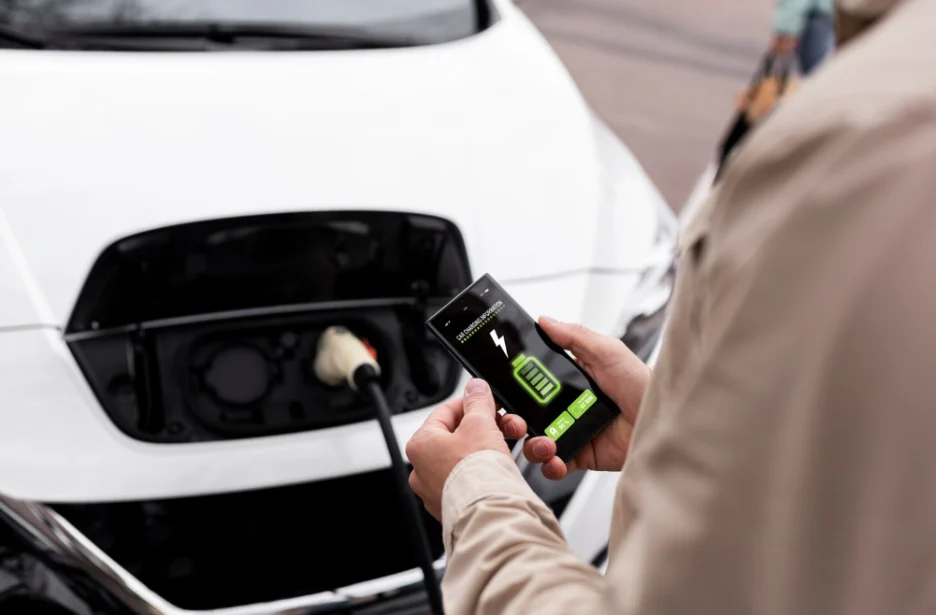
With the development of EV charging, digital payments are a central concern, and security and reliability are emerging as primary concerns. Advanced encryption, tokenization, and real-time fraud detection methods ensure that every transaction is safe using smart payment systems.
These technologies prevent the storage or sharing of sensitive card information, helping ensure that users are not exposed to potential data breaches. Also, continuous system monitoring and automatic updates ensure excellent uptime and consistent charging-point service availability.
For operators, such reliability builds customer trust and reduces the risk of inaccurate transactions or losses. For drivers, knowing their payments are secure provides an added sense of confidence when using public chargers.
Reliable and open payment systems enhance safety and strengthen the overall image of electric vehicle infrastructure as a secure, trustworthy, and future-ready service.
Wrapping Up
The EV charging stations are being turned into efficient, user-friendly, and data-driven networks due to smart payment technology.
These technologies make life easier, offer payment options, integrate with hardware and cloud technologies, and enable flexible business models, thereby reshaping the relationship between drivers and operators with charging infrastructure.
With this digital transformation still in progress, charging stations will be smarter, faster, and convenient for all. Smart payment technology is not only enabling charging for EVs but also making the transition toward a sustainable, connected transportation future possible through easy, accessible, and secure payment experiences.