Smarter residential power usage has become a strong interest for many homeowners who want to balance comfort with responsible consumption. Modern systems give families the ability to track usage patterns with far greater clarity. These tools create more awareness of when electricity is used and which devices contribute the most. The insights gained help support better habits and more deliberate home management. Many households appreciate how these systems reduce guesswork and highlight areas that can be improved. The growing variety of smart-energy options allows people to choose tools that match their needs. Each system has its own role in helping a home operate more efficiently.
Smart Thermostat Technologies
Smart thermostats continue to be one of the most noticeable upgrades in the home energy space. These devices adjust indoor temperatures based on daily routines, reducing unnecessary strain on heating and cooling systems. Many homeowners value the convenience of remote access when plans change unexpectedly.
Learning-based models adapt to usage patterns, improving performance without requiring constant input. Seasonal settings help keep the home comfortable while supporting responsible consumption. Temperature reports show how climate control influences monthly usage. This information helps families identify habits that may be causing avoidable spikes.
Voice assistant compatibility adds another layer of flexibility. Smart thermostats frequently pair with other devices to create smooth automation. Their ability to regulate comfort more precisely makes them a dependable foundation for energy-conscious households.
Real-Time Power Monitoring
Energy monitoring platforms show families exactly how electricity flows throughout their home. Their dashboards highlight which appliances consume the most power and when. This helps residents identify devices that may be outdated or inefficient.
Many systems send alerts when consumption begins rising unexpectedly. These notifications encourage quick checks before waste becomes extensive. Appliance-level tracking offers clearer insight into individual behaviors. Users often discover hidden consumption patterns that were easy to overlook.
With this information, they can plan replacements or upgrades with confidence. Those seeking hands-on help often turn to professionals, and many begin their search with the Elite Home Energy Solutions website, or similar platforms, where experienced specialists provide support for selecting and installing modern efficiency tools. Monitoring platforms encourage more informed household decisions. They help create a more transparent and manageable energy environment.
Smart Lighting and Automated Controls
Smart lighting solutions allow homeowners to adjust brightness levels and usage patterns with far greater precision. Automated shut-off features help prevent unnecessary illumination in unused rooms. Light sensors change brightness based on available natural light.
Many users design lighting scenes that complement evening routines, reading sessions, or relaxation periods. Scheduling tools create predictable patterns throughout the week. LED smart bulbs deliver strong performance while requiring less electricity than traditional bulbs. Voice-enabled adjustments bring convenience into everyday tasks.
Remote control through mobile apps helps users check lighting even when away from home. Some systems integrate security features, giving the impression of occupancy. Smart lighting contributes both comfort and thoughtful power use without demanding constant attention.
Intelligent Window and Shade Systems
Automated shade systems offer subtle but meaningful improvements in temperature regulation. By reacting to sunlight, motorized shades help keep indoor spaces balanced throughout the day. Morning light can warm rooms naturally before heating systems activate.
Midday sun can be blocked to prevent cooling units from working harder than necessary. Sensors adjust shade positions based on interior temperatures. Integration with smart thermostats creates smoother climate control across the home. Homeowners appreciate that these systems require minimal daily input once configured.
Scheduling features adapt easily to seasonal changes. Privacy considerations are supported through timed shade movements. These controls contribute to quieter and more stable temperature management.
Smart Plug Load Management
Smart plugs and advanced power strips limit the electricity waste created by idle electronics. Many devices keep drawing energy even when switched off, contributing to unnecessary consumption. Smart plugs disconnect that power unless needed. Remote outlet control lets homeowners manage devices with a tap. Scheduling features match outlet activity with daily routines. Surge protection, included in many models, adds another benefit. Users often highlight functions such as:
- Automatic shutdown for idle devices
- Timed outlet activation for routine tasks
- Remote app control for forgotten appliances
- Usage tracking to identify high-draw equipment
Load management tools represent a simple but powerful approach for reducing unnoticed waste throughout the home.
Coordinated Renewable Energy Use
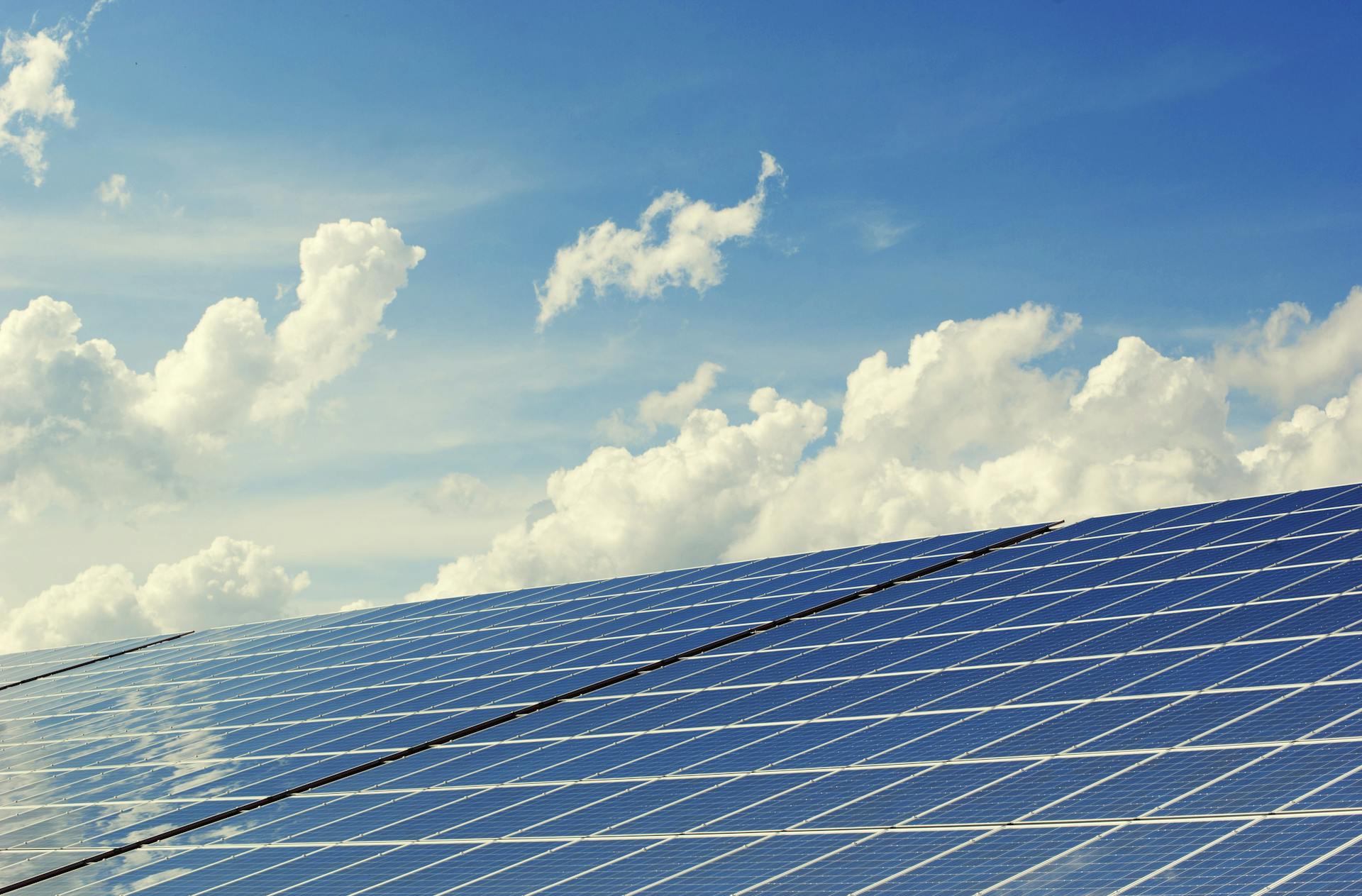
Homes equipped with renewable technologies gain even more control when paired with smart coordination systems. Solar monitoring tools track energy production throughout the day. Many families choose to run high-demand appliances during periods of peak solar output.
Battery storage systems preserve excess power for later use. Smart inverters balance stored and real-time energy with precision. These tools help families understand how weather and daylight influence renewable productivity. Insights gained from monitoring make planning daily tasks far easier. Seasonal variations become more predictable with historical data.
Coordinated systems support long-term reliability of renewable equipment. Homeowners using these tools tend to experience a more stable relationship with their energy production.

Smarter energy systems give homeowners reliable tools to manage consumption with better clarity. Each solution introduces new opportunities to strengthen comfort, reduce waste, and build practical habits. By combining multiple technologies, families create a home environment that is both efficient and easy to maintain.