When a home appliance malfunctions, it can disrupt daily activities and create a sense of urgency. Understanding the typical repair process can ease your concerns and help you navigate the situation more effectively.
Knowing what to expect during an appliance repair can improve your experience so that your appliance gets back to working order. Here, we will cover the key stages of the appliance repair process, from identifying the problem to finalizing the repair, to better prepare you for any home appliance challenges.
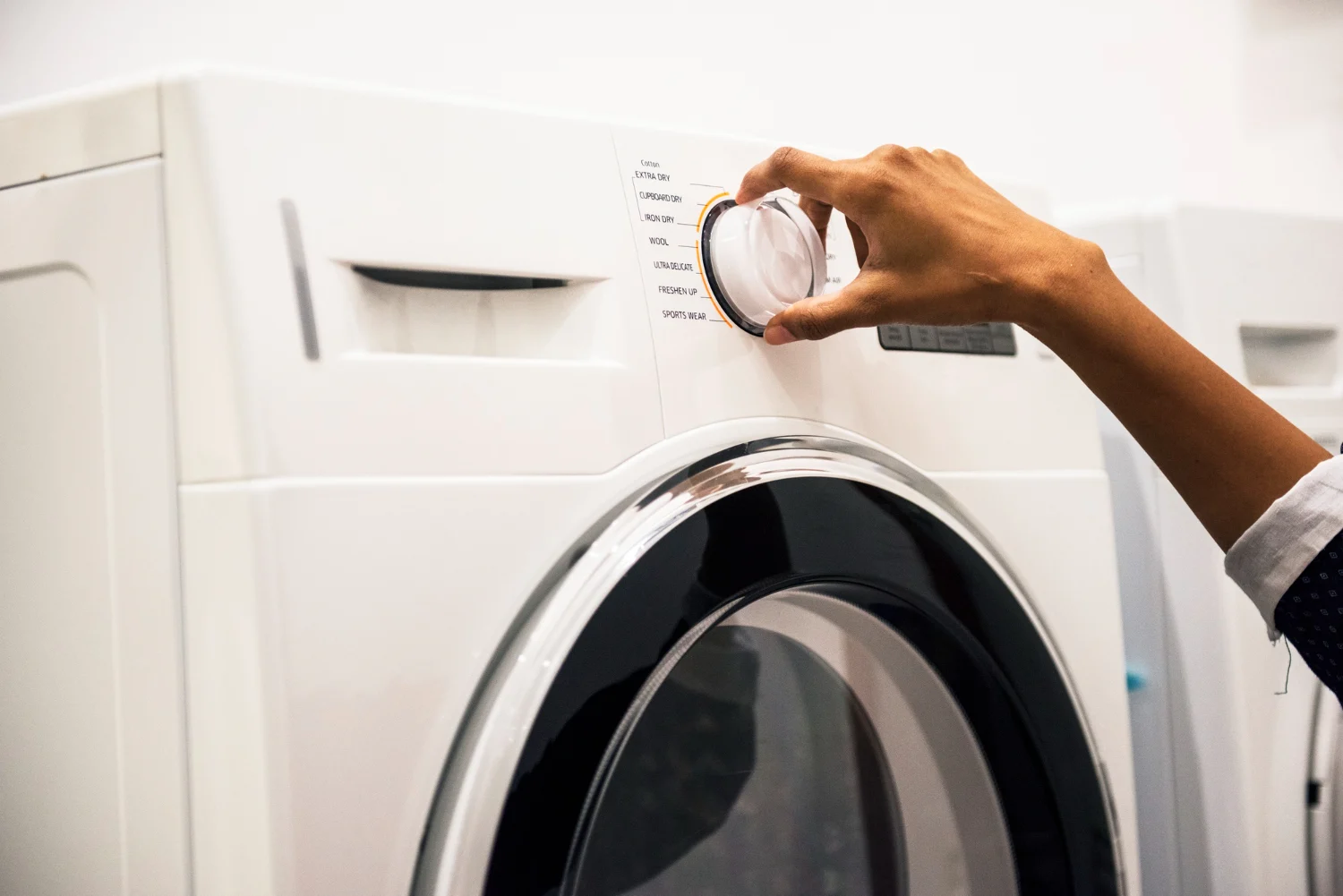
Identifying the Problem
The first step in any home appliance repair process is to accurately identify the problem. Appliances can malfunction for a variety of reasons, from electrical issues to mechanical failures. To diagnose the issue effectively, check for any unusual sounds, smells, or performance issues.
Take note of any error codes displayed on the appliance, as these can offer valuable clues to the technician. If you’re unable to determine the specific problem, do not hesitate to reach out to trusted HVAC repair specialists in Rockwall or in your location for assistance. Their expertise will guide what to do next. They will ask you for details regarding the appliance’s performance and any troubleshooting you have already attempted.
Researching Repair Options
Once you have identified the problem, the next step involves researching potential repair options. You may choose to contact local service providers, search online for qualified technicians, or consult friends and family for recommendations. Select a reliable company that has positive reviews and clear communication. Check if they offer warranties on their repair work, which can provide peace of mind.
Look into the availability of parts and whether they specialize in your appliance’s make and model. Some providers may give you an estimate over the phone, helping you budget for the repair. Taking the time to compare several options can receive quality service at a fair price.
Scheduling an Appointment
The next step is to schedule an appointment. During this process, be flexible with your availability, as technicians may have various schedules. Most reputable companies will offer time slots that fit your needs. Be prepared to provide the technician with your address and details about the appliance.
Confirm the time and any necessary preparations, like emptying the appliance or clearing the workspace around it. Many companies send reminders as the appointment approaches and know that everything is ready. Take a moment to gather any troubleshooting notes you created earlier to share with the technician and achieve a smoother assessment.
On-Site Assessment
When the technician arrives, they will conduct a thorough on-site assessment of the appliance. This step diagnoses the issue based on your observations and the technician’s expertise. They will inspect the appliance and perform tests to confirm their findings. Depending on the complexity of the issue, this process could take anywhere from a few minutes to over an hour.
The technician will evaluate any potential hazards and guarantee that safety protocols are in place. After a thorough assessment, they will communicate their diagnosis, offer insights into the necessary repairs, and provide an estimate for the cost.
Repair Process
Now that you’ve agreed to the repair, the technician will begin the actual repair process. They may replace specific parts, recalibrate the appliance, or address any underlying issues. Throughout this phase, they should communicate with you, explaining steps and keeping you informed of any complications that arise.
Some technicians may need to order parts, which can extend the time needed before the appliance is operational once more. Ask technicians about the expected timeline and each step in the repair process. Transparency during this phase can build trust between you and the technician.
Post-Repair Testing
After the repairs are complete, the technician will conduct post-repair testing so that everything functions properly. This step verifies that the issue has been resolved and that the appliance operates as intended. The technician may walk you through the new features or settings, offering tips on how to maximize the appliance’s performance.
Don’t shy away from asking questions during this phase, as it can help you understand how to maintain your appliance better. Inquire about maintenance tips and best practices to prolong the life of your appliance. This proactive approach can help you avoid future repairs and elevate the user experience. A successful post-repair test signifies the culmination of your repair journey, leading back to routine daily activities.
Follow-Up and Warranty
Most appliance repair services will follow up after completing the repairs to check if everything is functioning well. This gesture shows that they value customer feedback and want to assure quality service. If applicable, keep track of any warranties or guarantees provided for the repair work.
Know the terms of the warranty and when it applies. These details can help you address potential future problems without incurring additional costs. A strong follow-up is a critical part of the service experience, emphasizing customer care and satisfaction.

The typical home appliance repair process reduces anxiety during emergencies and prepares you for future situations. When you follow these steps, you’ll improve your experience. Being armed with knowledge means that you are ready to face appliance challenges with confidence.