In today’s fast-paced world, understanding the different types of technology that shape our lives is more important than ever. From the devices we use daily to the systems that run our industries, technology is everywhere. This article looks at the broad categories of technology and how they affect us, aiming to provide a clear picture of the tech landscape.
Key Takeaways
- Information Technology provides the digital infrastructure that supports much of our modern world, from data storage to internet access.
- Communication Technology has fundamentally changed how people connect, allowing for instant interaction across vast distances.
- Consumer Technology includes personal devices like smartphones and laptops that help manage daily life and entertainment.
- Industrial Technologies, such as automation and robotics, are transforming how goods are produced and energy is managed for better efficiency and sustainability.
- Societal Progress is being driven by advancements in areas like medical technology for health, digital tools for education, and innovations in transportation.
Foundational Types Of Technology
Technology forms the bedrock of our modern world, with certain categories acting as the primary building blocks for nearly everything else we use. These foundational technologies are not always flashy, but they are absolutely critical for how society functions and how other innovations are developed.
Information Technology’s Digital Backbone
Information Technology, often shortened to IT, is all about how we handle data. Think computers, software, networks, and the internet itself. It’s the system that lets us store, find, and share information. Without IT, the digital world as we know it wouldn’t exist. Businesses rely on it for everything from managing customer lists to running complex operations. In education, it provides access to vast libraries of knowledge. Even in our personal lives, IT is how we access news, connect with others, and manage our digital identities. It’s the invisible infrastructure that keeps so much of our daily activity running smoothly.
- Data Storage: Keeping information safe and accessible.
- Network Management: Connecting devices and systems.
- Software Development: Creating the tools we use.
- Cybersecurity: Protecting digital information.
IT is the engine that powers the digital age, enabling the flow of information that underpins modern society and commerce.
Communication Technology’s Connected World
Communication technology is what allows us to connect with each other, no matter the distance. This includes everything from the phones in our pockets to the satellites orbiting the Earth. It has fundamentally changed how we interact, share ideas, and build relationships. Video calls let us see family across the globe, and instant messaging keeps us updated with friends in real-time. This constant connectivity has reshaped social structures and business practices alike. The ability to communicate instantly and effectively is a hallmark of our current era, influencing everything from global politics to local community organizing. It’s fascinating to consider how different our lives would be without these tools. For instance, understanding how to diversify investments can help mitigate risks, much like how communication tech helps bridge geographical divides [fc6d].
- Telephony: Traditional and mobile phone systems.
- Internet-based Communication: Email, social media, and messaging apps.
- Broadcasting: Radio and television transmission.
- Video Conferencing: Real-time visual communication.
These foundational technologies, IT and communication, work hand-in-hand. IT provides the infrastructure for data, while communication technology ensures that data can be shared and received, creating the interconnected world we inhabit today.
Technology Enhancing Daily Life
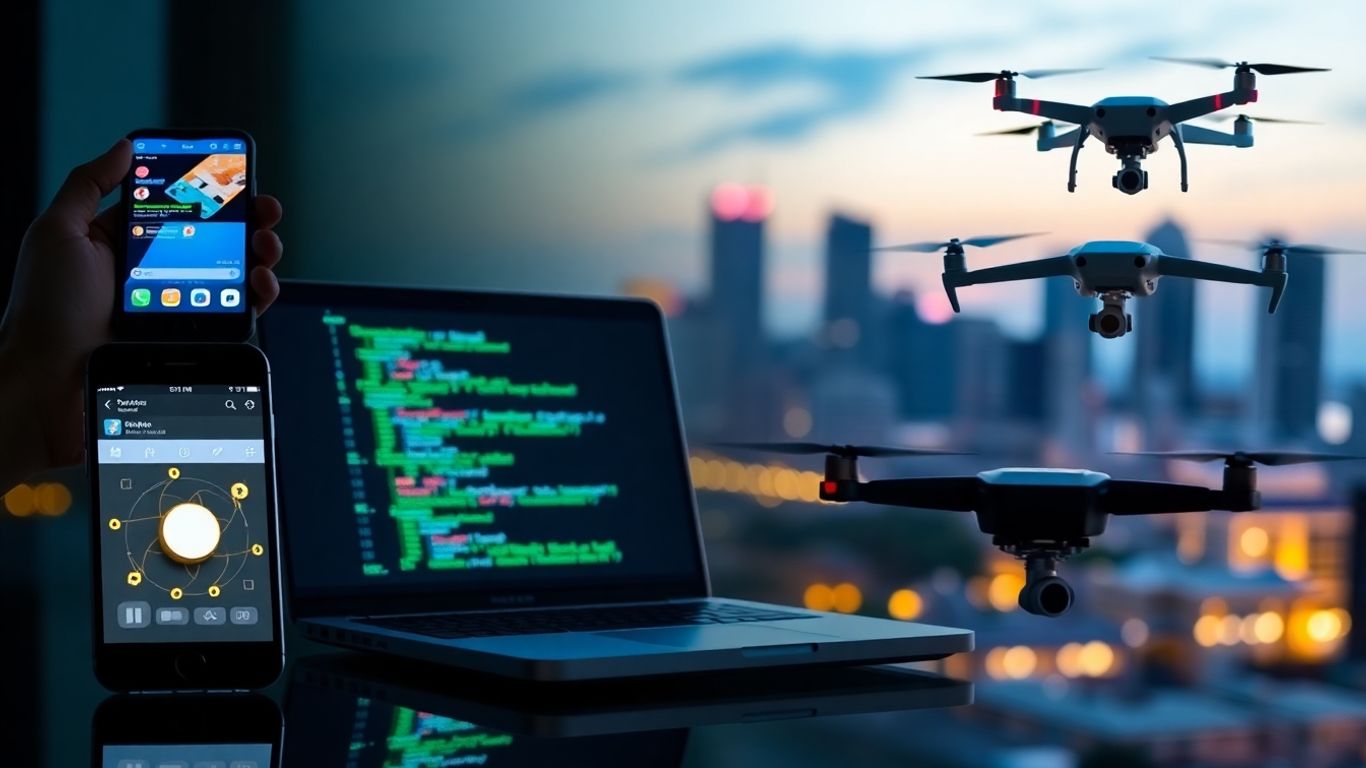
Technology has woven itself into the fabric of our everyday existence, making many tasks simpler and more convenient. It’s not just about fancy gadgets; it’s about how these tools help us manage our homes, connect with others, and enjoy our downtime.
Consumer Technology For Personal Use
Think about the devices you use every day. Smartphones, for instance, are mini-computers that keep us connected, informed, and entertained. They handle everything from quick messages and calls to managing schedules and accessing a world of information. Wearable devices, like smartwatches, go a step further by monitoring our health and fitness, offering insights into our daily activity levels and even sleep patterns. These personal technologies aim to streamline our routines and provide useful data about our well-being.
Smart Homes For Modern Living
Our homes are becoming more intelligent. Smart home technology allows us to control various aspects of our living spaces remotely or through voice commands. This includes adjusting thermostats for comfort and energy savings, managing lighting, and even securing our homes with smart locks and cameras.
Here’s a look at some common smart home devices:
- Smart Thermostats: Learn your schedule and adjust temperatures automatically.
- Smart Lighting: Control brightness and color, and set schedules.
- Smart Speakers/Voice Assistants: Act as a central hub for controlling other devices and getting information.
- Smart Security Systems: Offer remote monitoring and alerts.
The integration of these devices aims to create living environments that are more responsive to our needs, offering greater convenience and potential savings on utilities.
Entertainment Technology For Leisure
When it’s time to relax, technology offers a vast array of options. Streaming services have changed how we consume movies and TV shows, providing on-demand access to a huge library of content. Gaming has also evolved, with consoles and online platforms offering immersive experiences and ways to connect with other players. Even music listening has been transformed, with digital platforms making millions of songs available instantly. These technologies provide diverse ways to unwind and engage in leisure activities.
Transformative Industrial Technologies
In the industrial sector, technology is not just about making things faster; it’s about fundamentally changing how we produce, manage resources, and build the future. Two major areas are leading this charge: automation and robotics, and energy technology.
Automation and Robotics in Production
Think about a factory floor. Not too long ago, it was mostly people doing repetitive tasks. Now, you see robots working alongside humans, or even taking over entire processes. This isn’t just about replacing workers; it’s about making production safer, more precise, and much more efficient. Robots can handle dangerous jobs, work 24/7 without getting tired, and perform tasks with a level of accuracy that’s hard for humans to match consistently. This leads to fewer errors, less waste, and ultimately, better quality products.
- Increased Efficiency: Robots can operate continuously, speeding up production cycles.
- Improved Safety: They take on hazardous tasks, reducing workplace injuries.
- Higher Precision: Robots perform tasks with exact repeatability, leading to better product quality.
- Cost Reduction: Over time, automation can lower manufacturing costs through reduced waste and labor.
The integration of robots and automated systems is reshaping manufacturing. It allows for greater flexibility in production lines, meaning companies can switch between making different products more easily. This adaptability is key in today’s fast-changing market.
Energy Technology for Sustainability
Our world needs power, but how we get that power is changing dramatically. The focus is shifting towards cleaner, more sustainable energy sources. This includes everything from solar panels and wind turbines to advancements in battery storage and smart grids that manage electricity distribution more effectively. The goal is to reduce our reliance on fossil fuels and minimize our environmental impact.
- Renewable Energy Sources: Solar, wind, geothermal, and hydroelectric power are becoming more widespread.
- Energy Storage: Better batteries are crucial for storing energy from intermittent sources like solar and wind.
- Smart Grids: These use digital technology to manage electricity flow, making the system more reliable and efficient.
- Energy Efficiency: Innovations aim to reduce the amount of energy needed for various applications, from buildings to transportation.
The push for sustainable energy is not just an environmental concern; it’s also an economic opportunity, driving innovation and creating new industries.
Technology Driving Societal Progress
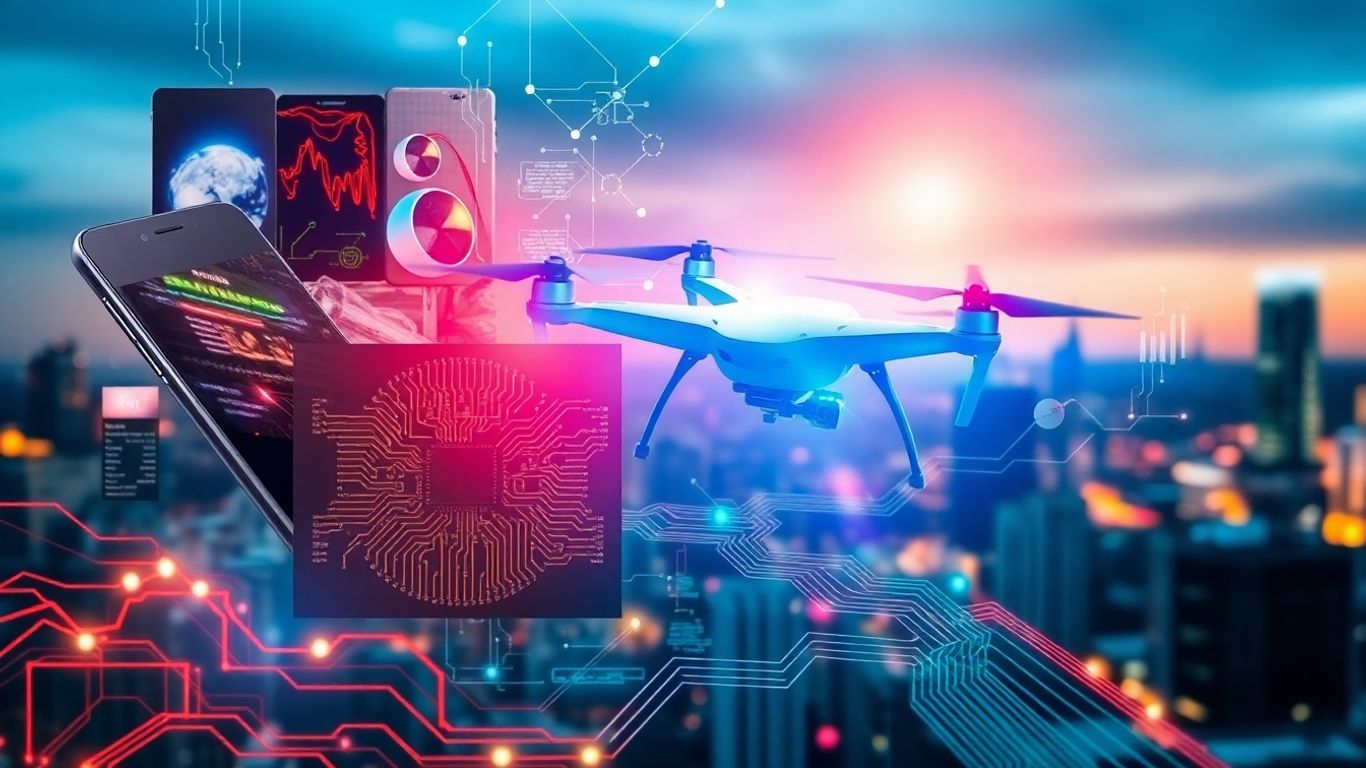
Technology has become a powerful engine for positive change, impacting how we live, learn, and care for ourselves and our planet. It’s not just about gadgets; it’s about creating solutions that address some of the biggest challenges facing humanity.
Medical Technology For Healthier Lives
The field of medicine has been revolutionized by technological advancements. From sophisticated diagnostic tools to minimally invasive surgical techniques, technology is helping doctors identify and treat illnesses with greater precision and speed. Wearable devices now allow individuals to monitor their health in real-time, providing valuable data that can lead to early detection of potential issues. Telemedicine is also expanding access to healthcare, especially for those in remote areas, connecting patients with specialists they might otherwise never reach.
- AI-powered diagnostics: Assisting doctors in identifying diseases faster.
- Robotic surgery: Enabling more precise and less invasive procedures.
- Telehealth platforms: Bringing medical consultations to your home.
- Personalized medicine: Tailoring treatments based on individual genetic makeup.
The continuous innovation in medical technology promises a future where diseases are managed more effectively, and overall public health is significantly improved.
Revolutionized Education Through Digital Tools
Learning has transformed from a traditional classroom setting to a dynamic, accessible experience thanks to digital tools. Online courses, interactive simulations, and vast digital libraries put knowledge at everyone’s fingertips. This accessibility breaks down geographical barriers and allows for personalized learning paths, catering to different paces and styles. Educators are finding new ways to engage students, making complex subjects more understandable and relatable.
Enhanced Transportation For Efficient Travel
Getting from point A to point B is faster, safer, and more environmentally friendly than ever before. Advancements in vehicle technology, from electric cars to more efficient public transport systems, are reducing our carbon footprint. Smart traffic management systems help ease congestion, while navigation apps provide real-time updates, making travel more predictable. The development of autonomous vehicles also holds the potential to further transform mobility, offering new possibilities for accessibility and safety.
Innovations In Financial Management
The way we handle money has changed a lot, thanks to new technology. This area, often called FinTech, is making financial tasks quicker and easier for everyone.
Financial Technology For Seamless Transactions
Think about how you pay for things now compared to ten years ago. Many of us use apps on our phones or online services to send money, pay bills, or even get loans. Digital wallets, like those from Apple or Google, and payment platforms such as PayPal, have made paying for goods and services incredibly simple. You can often complete a transaction in just a few taps.
Here are some common FinTech tools:
- Mobile Banking Apps: Manage your accounts, deposit checks, and transfer funds right from your smartphone.
- Digital Wallets: Store credit card information and make payments online or in stores without needing your physical card.
- Peer-to-Peer (P2P) Payment Apps: Easily send money to friends and family, splitting bills or paying back loans.
- Online Investment Platforms: Access stock markets and other investments with lower fees and greater ease.
These tools are designed to be user-friendly, cutting down on the time and effort previously needed for financial management.
The shift towards digital financial tools means that security is more important than ever. Companies are constantly working to protect user data and prevent fraud, but it’s also good for individuals to be aware of best practices for keeping their accounts safe.
Emerging Fintech Trends
Beyond everyday transactions, FinTech is also exploring more advanced concepts. Blockchain technology, the same system behind cryptocurrencies like Bitcoin, is a big part of this. It allows for secure and transparent record-keeping, which could change how we think about everything from international money transfers to tracking supply chains.
Decentralized Finance, or DeFi, is another area gaining attention. It aims to create financial systems that don’t rely on traditional banks or institutions. Instead, services like lending and borrowing happen directly between users, managed by smart contracts on a blockchain.
Some key trends to watch include:
- Increased use of Artificial Intelligence (AI): AI is being used for things like personalized financial advice, fraud detection, and automating customer service.
- Growth of Digital Currencies: Central banks are exploring their own digital currencies, and cryptocurrencies continue to be a topic of discussion for investment and payment.
- Embedded Finance: Financial services are being integrated directly into non-financial apps and platforms, making them available at the point of need.
These developments show that FinTech is not just about convenience; it’s about rethinking the entire financial landscape.
Looking Ahead
As we’ve seen, technology touches nearly every part of our lives, from how we talk to each other to how we get around and even how we relax. It’s not just about gadgets; it’s about the systems and ideas behind them that help us do things more easily or in new ways. The world keeps changing fast, and technology is a big part of that. Understanding these different kinds of tech helps us see how they shape our world and what might come next. It’s a journey that’s always moving forward, and staying curious about it is key.
Frequently Asked Questions
What are the main categories of technology discussed?
The article covers several key areas of technology. These include foundational technologies like Information Technology (IT) and communication systems. It also looks at technology that makes our daily lives easier, such as consumer gadgets and smart homes. Additionally, it explores technologies used in industries, those driving societal progress in areas like health and education, and innovations in managing money.
How has communication technology changed the way we connect?
Communication technology has made staying in touch much simpler. Tools like cell phones, messaging apps, and social media let us connect with people anywhere in the world. Video calls allow for face-to-face conversations, removing distance as a barrier.
What role does Information Technology (IT) play?
Information Technology is the backbone of our digital world. It uses computers, software, and networks to manage information. IT helps us access knowledge through the internet and is vital for businesses, schools, and hospitals to work efficiently and make quick decisions.
Can you give examples of medical technology improving health?
Yes, medical technology has greatly improved healthcare. Devices like MRI scanners help doctors see inside the body, pacemakers help regulate heartbeats, and fitness trackers monitor our health. Telemedicine also allows us to see doctors remotely, making healthcare more accessible.
How is technology making transportation more efficient?
Technology has made travel much smoother. GPS helps us find our way, and apps like Uber have changed how we get around cities. Electric cars are helping the environment, and self-driving cars are on the horizon, promising even bigger changes in how we travel.
What is FinTech and how does it affect our finances?
FinTech, or Financial Technology, is changing how we handle money. Online banking, digital wallets, and apps for sending money make transactions easy and safe. New technologies like blockchain are also changing how we invest and manage our money.