Imagine a pet that doesn’t require feeding, walking, or even physical space in your home, yet still provides the companionship and emotional support of a living creature. That’s the promise of AI chatbot pets, the latest trend in artificial intelligence that is captivating hearts around the world. These digital companions are changing the way we think about interaction, affection, and even the nature of relationships. If you’re curious about how technology is creating new forms of companionship, you’ve come to the right place. Keep reading to discover more about your potential new digital companion.
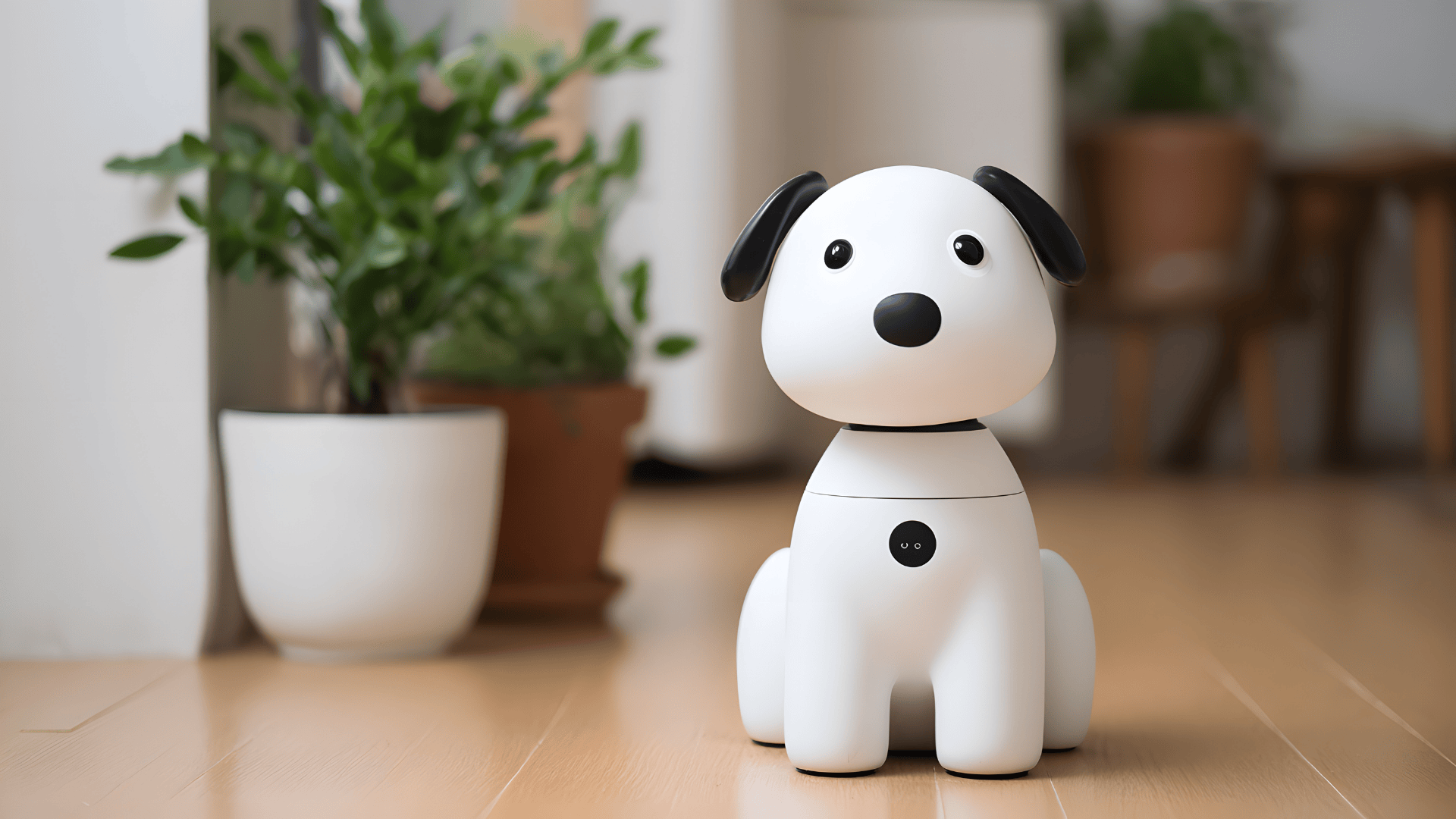
AI Chatbot Pets in Mental Health: More Than Just a Virtual Friend
The impact of AI chatbot pets transcends simple companionship. In the realm of mental health, they present a new frontier for therapeutic support. For individuals facing mental health challenges such as depression or anxiety, these AI companions can offer a judgment-free ear for venting and a sense of consistent support whenever and wherever they are needed.
Furthermore, Zumi Chat, a modern platform for AI interaction, exemplifies how technology is adapting to meet the complex emotional needs of users. Through continuous innovation and feedback, developers of AI chatbot pets are tailoring their creations to become more empathetic and helpful in the context of mental health.
Studies have indicated that interaction with AI companions can lead to improvements in mood and decreases in loneliness, particularly for those who may be isolated or have difficulty forming social connections. Some chatbot pets are being programmed with techniques to handle sensitive conversations, delivering prompts based on cognitive-behavioral therapy (CBT) practices to help users navigate difficult emotional states.
Designing Digital Companions: How AI Chatbots Mimic Real Pets
The design of AI chatbot pets is an intricate process that blends elements of psychology, computer science, and user experience. Developers must create an interface that is intuitive, engaging, and emotionally responsive to give the illusion of life and companionship. By incorporating machine learning algorithms, these AI pets can evolve and adapt to their users’ communication style.
Key to the illusion of aliveness is the chatbot’s ability to initiate conversations, display curiosity, and remember personal details shared by the user. This personalized interaction helps build rapport and trust between the user and their digital pet. Language processing capabilities also play an essential role, allowing chatbots to understand sentiment and context within the conversations.
Developers have achieved significant strides in making chatbot pets remarkably expressive despite the absence of physical attributes. Through creative use of emojis, timed responses, and tailored dialogue, these AI entities can convey a range of emotions and reactions. Such details encourage users to suspend disbelief and immerse themselves in the experience of owning a digital pet.
Integrating AI Pets into Our Digital Lives: What It Means for Human-Animal Relationships
The growing presence of AI chatbot pets in our day-to-day lives poses intriguing questions about the future of human-animal relationships. As we incorporate digital companions into our routines, it nudges us to reflect on what we seek from our interactions with living pets. Is it the emotional support, the company, or the sense of responsibility that we value most in our furry friends?
AI chatbot pets challenge traditional notions of companionship by providing an alternative that requires no upkeep, poses no allergies, and presents no end-of-life hardships. For many individuals, particularly those unable to care for a live animal due to lifestyle, financial, or health reasons, AI pets offer a viable way to experience the joys of pet ownership without the associated responsibilities.
The Future of AI Pet Companionship: Ethical Considerations and Developments
As we look towards the horizon of AI pet companionship, ethical considerations become paramount. Questions around dependency on technology for emotional support, the data privacy of user interactions, and the potential for AI to be too persuasive or manipulative in its responses must be addressed. These concerns are essential as we craft a future that respects both the autonomy and well-being of users.
Innovation in the field of AI pets is advancing rapidly, with developers pushing the boundaries of what is possible. Soon, we may encounter AI entities that can predict our needs, learn from a vast range of interactions, and become even more integrated into the fabric of daily life. The challenge will be to maintain a focus on enhancing well-being without crossing lines that diminish human dignity or uniqueness.
Overall, the emergence of AI chatbot pets heralds a transformative phase in human-companion relationships. They challenge us to expand our understanding of companionship and support, offering genuine benefits while also raising poignant questions about the future of affection and care in a digital age. As we embrace this new era, the importance of ethical frameworks and mindful integration has never been more critical.