Sleep is getting a major upgrade. We’re seeing a lot of new technology for sleep that’s changing how we rest. From beds that know how you sleep to apps that coach you, 2025 is looking like a big year for better sleep. It’s not just about comfort anymore; it’s about using smart tools to really improve our sleep quality. Let’s check out what’s new in the world of sleep technology.
Key Takeaways
- Smart mattresses and pillows are adapting to individual body needs for better comfort and alignment.
- Wearable trackers and EEG devices offer detailed insights into sleep patterns, helping users understand and improve their rest.
- Artificial intelligence is being used to personalize sleep coaching, improve diagnostics, and enhance smart sleep products.
- New audio technologies and environmental controls aim to help people fall asleep faster and improve deep sleep stages.
- Circadian rhythm regulation through light therapy and smart home integration is becoming a key focus for aligning sleep-wake cycles.
The Rise Of Intelligent Sleep Environments
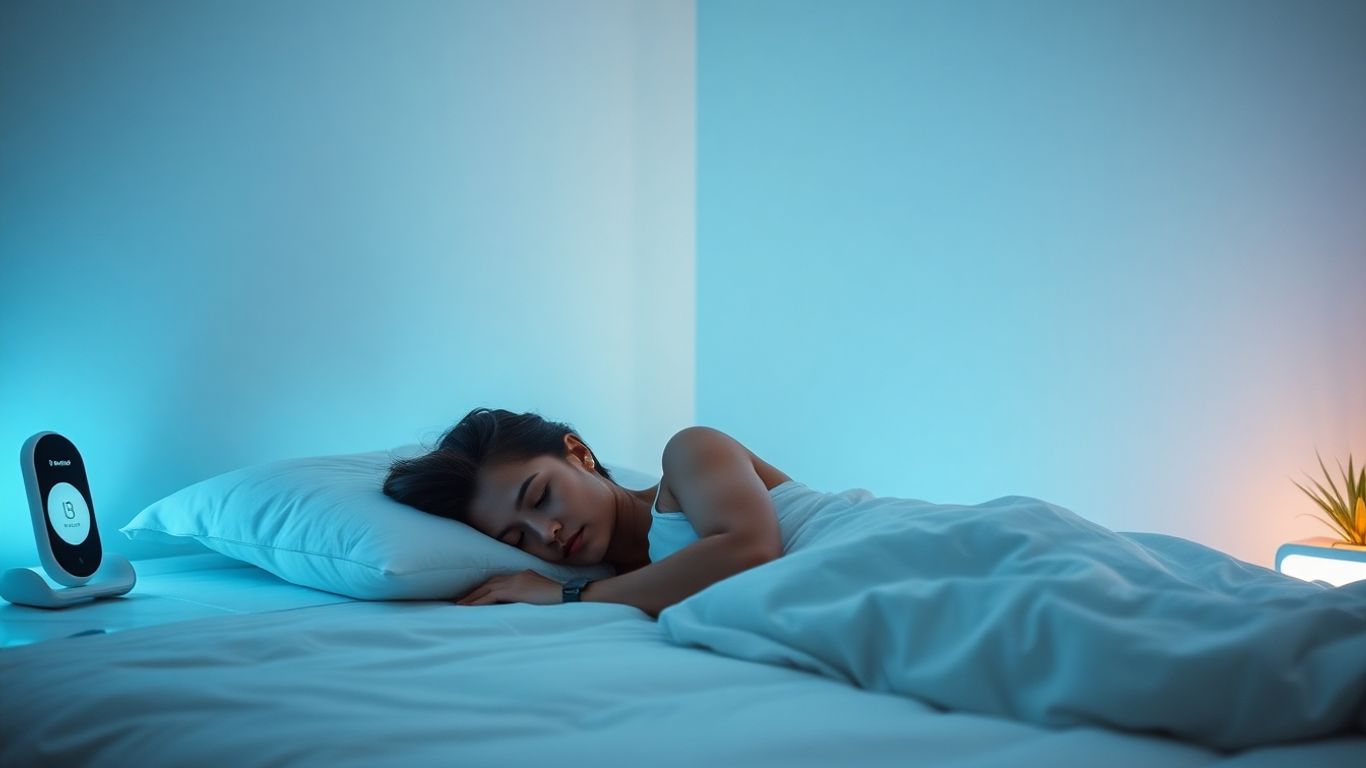
Our bedrooms are becoming smarter, and it’s not just about voice assistants. We’re seeing a shift towards environments that actively work to improve our sleep. Think of your bedroom as a personalized sleep sanctuary, where technology anticipates your needs and adjusts accordingly. This isn’t science fiction anymore; it’s the reality of intelligent sleep environments.
Smart Mattresses Adapting To Your Body
Forget static mattresses. Today’s smart mattresses are equipped with sensors that can track your movements, pressure points, and even your heart rate throughout the night. Based on this data, they can make real-time adjustments to firmness and support. This dynamic adaptation aims to provide optimal spinal alignment and pressure relief, no matter how you sleep. Some advanced models can even learn your preferences over time, creating a sleep surface that’s uniquely yours. This means less tossing and turning and more consistent, comfortable rest.
Intelligent Pillows For Optimal Alignment
Just like mattresses, pillows are getting a tech upgrade. Intelligent pillows can monitor your sleeping position and subtly adjust their shape or firmness to keep your head and neck properly aligned. This is particularly helpful for preventing neck pain and stiffness. Some even incorporate gentle vibrations or temperature regulation to help you relax and fall asleep faster. The goal is to support your natural sleep posture, reducing strain and promoting deeper, more restorative sleep.
Ambient Sleep Aids For Restful Nights
Beyond the bed itself, the entire sleep environment is being optimized. Ambient sleep aids include smart lighting systems that can gradually dim as bedtime approaches, mimicking a natural sunset to signal your body it’s time to wind down. Others might include sound machines that produce calming white noise or nature sounds, masking disruptive noises. Some systems can even control room temperature, ensuring it’s at the ideal level for sleep. These elements work together to create a tranquil atmosphere conducive to uninterrupted rest.
Personalized Sleep Through Advanced Tracking
Tracking our sleep has become a lot more sophisticated lately. Gone are the days of just guessing how well you slept. Now, we have tools that give us detailed breakdowns of our night.
Wearable Sleep Trackers And Their Insights
Wearable devices are really the frontrunners here. Things like smart rings, watches, and fitness bands monitor key body signals – think heart rate, how much you move, and even blood oxygen levels. They use clever algorithms to figure out your sleep stages, like light, deep, and REM sleep. This information can show you patterns, like if you’re not getting enough sleep or if you’re waking up a lot. These devices offer a valuable overview of your sleep habits. For instance, the Oura Ring has shown good agreement with professional sleep studies, scoring around 0.65 or higher on a common accuracy metric. Other popular brands like Fitbit, Garmin, and Apple Watch generally fall in the moderate agreement range, typically between 0.4 and 0.67, depending on the specific model and how the data is analyzed. WHOOP devices often perform slightly better, with scores from 0.6 to 0.7.
It’s important to remember that while these gadgets are helpful, they aren’t perfect. They can sometimes struggle to accurately pinpoint the deepest stages of sleep because they rely on things like movement and heart rate, which can change a lot from person to person during those phases. For a truly in-depth look, especially if you have concerns about your sleep health, it’s always best to consult with a healthcare professional. You can find more about how these devices work on mobile technology for startups.
EEG Devices For Deeper Sleep Analysis
For those who need more precise data, Electroencephalogram (EEG) devices are becoming more accessible. Unlike wearables that primarily track movement and heart rate, EEG devices directly measure brainwave activity. This offers a much more detailed picture of what’s happening in your brain during sleep, allowing for a more accurate identification of sleep stages. Some advanced systems even combine EEG data with other physiological measurements for a truly comprehensive analysis. This level of detail can be particularly useful for understanding subtle sleep disturbances or for individuals undergoing specific sleep research.
Accuracy Of Sleep Tracking Technologies
When we talk about accuracy, it’s useful to compare these devices to polysomnography (PSG), which is considered the gold standard in sleep research. While wearables provide a good general idea, their precision can vary. For example, a device might accurately track when you fall asleep and wake up, but it might be less precise about the exact duration of your deep sleep.
Here’s a general idea of how some popular wearables compare:
| Device Type | Typical Accuracy (Cohen’s Kappa) | Notes |
|---|---|---|
| Oura Ring | 0.65+ | Strong agreement with PSG, particularly good for sleep stages. |
| WHOOP | 0.6 – 0.7 | Generally performs well, offering detailed recovery and strain metrics. |
| Apple Watch/Garmin | 0.4 – 0.67 | Moderate agreement, accuracy can vary by model and software updates. |
| Fitbit | 0.4 – 0.5 | Moderate agreement, useful for general sleep pattern tracking. |
While these technologies are rapidly improving, it’s wise to view the data as a guide rather than a definitive diagnosis. For serious sleep concerns, professional medical advice remains paramount.
AI’s Transformative Role In Sleep Technology
Artificial intelligence is really changing how we think about sleep. It’s not just about tracking anymore; AI is actively working to improve our rest. Think of it as a smart assistant for your sleep, learning what works best for you and making adjustments automatically.
AI-Driven Sleep Research And Diagnostics
AI is making big waves in understanding sleep disorders. Algorithms can now sift through complex data from sleep studies much faster and with more accuracy than before. This helps in spotting issues like sleep apnea or insomnia earlier. It’s like having a super-powered detective for your sleep health, analyzing vast amounts of information to find patterns that might be missed otherwise.
- Faster analysis of sleep study data.
- Improved accuracy in diagnosing sleep disorders.
- Identification of subtle patterns linked to poor sleep.
AI’s ability to process large datasets allows researchers to gain a deeper understanding of sleep and its related conditions, moving beyond simple observations to complex, data-driven insights.
Personalized Sleep Coaching With AI
This is where AI really shines for everyday users. By analyzing the data collected from your wearables or smart devices, AI can offer personalized advice. It’s like having a sleep coach who knows your habits and can suggest specific changes to help you sleep better. These systems learn your unique sleep patterns and provide tailored recommendations, moving away from one-size-fits-all advice.
- Tailored sleep recommendations based on personal data.
- Adaptive coaching that adjusts as your sleep improves.
- Insights into how daily activities affect sleep quality.
Smart Products Enhanced By Artificial Intelligence
Many everyday sleep products are getting a smart upgrade thanks to AI. Your mattress might adjust its firmness throughout the night based on your sleep stage, or your smart lights could dim automatically to help you wind down. These AI-powered devices create a more responsive and personalized sleep environment. They connect to create a whole system aimed at optimizing your rest, making your bedroom a truly intelligent space for sleep.
- Smart mattresses that adapt to body position and sleep stage.
- Intelligent lighting systems that regulate ambient light for sleep.
- Climate control devices that learn and maintain optimal sleep temperatures.
Innovations Targeting Sleep Quality Enhancement
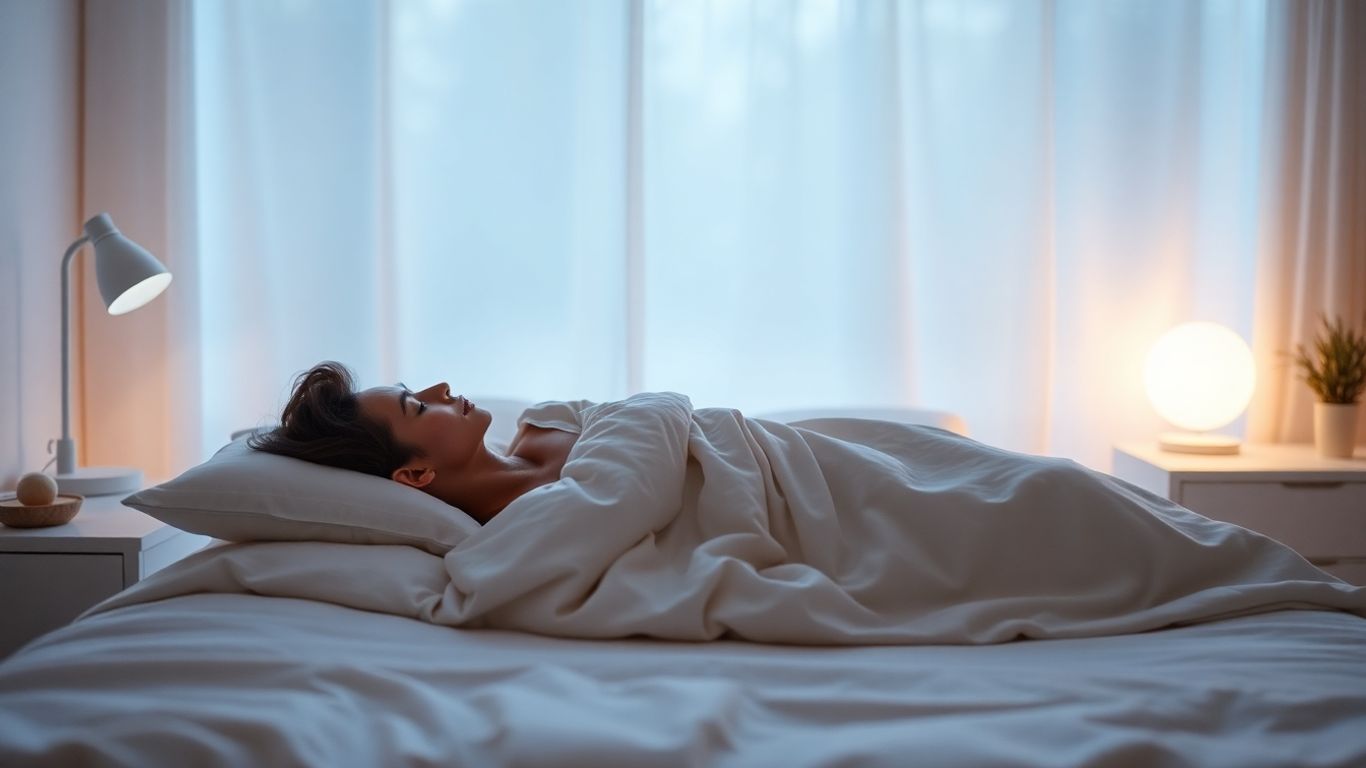
Audio Stimulation For Faster Sleep Onset
Many people find it hard to switch off their minds at night. For these individuals, audio stimulation offers a practical, non-invasive method to encourage relaxation and speed up the process of falling asleep. Think of it like a gentle nudge towards slumber. Some systems even use your own brain activity to create a unique soundscape, aiming to be more effective than generic white noise. While the science is still developing, early results suggest these personalized audio experiences can make a real difference in how quickly you drift off.
Enhancing Deep Sleep Stages With Sound
Beyond just helping you fall asleep faster, new technologies are now looking at improving the quality of your sleep, particularly the deep sleep stages. Deep sleep is when your body does most of its repair work, and feeling truly rested often depends on getting enough of it. One exciting development uses carefully timed sound pulses, designed to interact with your brainwaves during these crucial deep sleep periods. The goal is to make these restorative phases more effective, potentially leading to better energy levels and cognitive function the next day. It’s a novel approach that moves beyond simply masking noise to actively influencing sleep architecture.
Addressing Sleep Disruptions Like Snoring
Sleep disruptions, such as snoring or pauses in breathing, can significantly impact rest for both the individual and their partner. Innovations are emerging to tackle these issues directly. For instance, smart pillows can now adjust their position automatically to encourage side sleeping, which often reduces snoring. Some of these systems even learn your specific snoring patterns to adapt more effectively over time. Other devices are exploring ways to monitor breathing and alert users to potential issues, offering a more proactive approach to managing sleep-disrupting conditions. These advancements aim to create a more peaceful and continuous sleep experience for everyone.
The effectiveness of these technologies can vary from person to person. While many users report positive changes, it’s always a good idea to consult with a healthcare professional for persistent sleep problems.
Circadian Rhythm Regulation For Better Rest
Our internal body clock, known as the circadian rhythm, plays a huge role in when we feel sleepy and when we feel awake. When this clock gets out of sync, it can really mess with our sleep. Luckily, new technologies are helping us get it back on track.
Light Therapies For Body Clock Alignment
Light is the most powerful signal for our circadian rhythm. Devices that use specific types of light can help reset your body’s internal clock. Think of it like adjusting a watch that’s running a bit fast or slow. These systems often involve special lamps or wearable devices that emit light at particular times of the day.
- Morning Light: Exposure to bright, blue-enriched light shortly after waking helps signal to your brain that it’s time to be alert. This can suppress melatonin, the hormone that makes you feel sleepy, and promote wakefulness.
- Evening Light: As the day winds down, exposure to warmer, dimmer light, like amber or red hues, is beneficial. This type of light helps your body start producing melatonin, preparing you for sleep.
- Consistency is Key: Using these light therapies consistently, especially around your desired sleep and wake times, can significantly improve your body’s natural sleep-wake cycle.
The goal is to use light strategically to reinforce your body’s natural sleep-wake signals, making it easier to fall asleep at night and feel more alert during the day.
Morning Light To Promote Wakefulness
Getting the right kind of light exposure in the morning is surprisingly important for the rest of your day. It’s not just about feeling awake; it’s about setting your body clock for the entire 24-hour cycle. Many people struggle with grogginess in the morning, and often, a lack of bright light is the culprit. Innovations in this area include:
- Sunrise Alarm Clocks: These devices gradually increase light intensity in your bedroom before your alarm goes off, mimicking a natural sunrise. This gentle awakening can reduce sleep inertia, that groggy feeling you get after waking up.
- Light Therapy Boxes: More powerful than sunrise alarms, these boxes emit a specific spectrum of light designed to be highly effective at signaling wakefulness. They are often used for a set period shortly after waking.
Evening Light To Encourage Sleepiness
Just as morning light helps wake you up, managing light exposure in the evening is critical for winding down. The blue light emitted from screens (phones, tablets, computers) can trick your brain into thinking it’s still daytime, delaying melatonin production. New technologies are focusing on:
- Blue Light Filtering Glasses: Wearing glasses that block blue light in the hours before bed can significantly reduce its impact on melatonin.
- Smart Lighting Systems: These systems can automatically dim and shift to warmer color temperatures as the evening progresses, creating a sleep-conducive environment.
- Reduced Screen Time: While not a technology itself, consciously reducing exposure to bright screens in the evening is a vital behavioral component that works hand-in-hand with these light-based technologies.
The Future Of Sleep In Hospitality
Wellness-Driven Sleep Features In Hotels
Hotels are increasingly recognizing that a good night’s sleep is a top priority for travelers. It’s not just about luxury anymore; it’s about providing actual wellness. Many guests are actively looking for places that offer sleep-focused perks. Think about things like white noise machines, really good blackout curtains, or even apps designed to help you relax before bed. Some hotels are even bringing in "sleep concierges" to help guests get the best rest possible. This shows how much sleep is becoming a key part of the hospitality experience.
- Growing Demand: A significant portion of travelers value eco-friendly sleep amenities and actively seek out hotels with sleep-enhancing features.
- Monetization: Expect hotels to start charging for things like circadian lighting, advanced soundproofing, and personalized relaxation routines.
- Competitive Edge: Hotels that can truly master the art of providing excellent sleep will stand out in a crowded market.
Integrating Biometrics For Enhanced Rest
We’re seeing a shift towards hotels using biometric data to tailor the sleep experience. This means your room could adjust based on your body’s signals. Imagine your mattress changing its firmness or temperature throughout the night to keep you comfortable and in the optimal sleep zone. Similarly, pillows might adapt to keep your spine properly aligned. This level of personalization aims to improve sleep quality significantly by responding directly to individual needs.
The integration of biometric technology in hotel rooms promises a future where rest is not just a passive activity but an actively managed and optimized experience, directly responding to the guest’s physiological state.
Circadian Lighting And Soundproofing
Two major factors that often disrupt sleep when traveling are light and noise. Hotels are starting to address this more seriously. Circadian lighting systems are being introduced, which mimic natural daylight patterns. This helps regulate your body’s internal clock, making it easier to fall asleep at night and wake up feeling refreshed. Alongside this, better soundproofing is becoming a standard feature. Minimizing external noise pollution is key to creating a truly restful environment. These innovations work together to create a sanctuary for sleep, no matter where you are.
| Feature | Benefit |
|---|---|
| Circadian Lighting | Helps regulate sleep-wake cycles |
| Soundproofing | Reduces disturbances from external noise |
| Smart Temperature | Maintains optimal sleeping environment |
| Air Quality | Ensures a fresh and healthy atmosphere |
Looking Ahead: A Restful Future
It’s clear that sleep is no longer just a passive activity; it’s becoming an active pursuit of wellness, thanks to some really interesting tech. We’ve seen how everything from smart mattresses that adjust to your body to AI coaches that help you understand your sleep patterns are changing the game. Even things like light therapy and personalized soundscapes are making a big difference for people. As these innovations continue to develop and become more accessible, they promise to help us all get better, more restorative sleep. The focus is shifting towards making sleep a priority, and the technology available now and coming soon is really exciting for anyone looking to improve their rest and overall health.
Frequently Asked Questions
What are the newest ways technology is helping people sleep better?
New tech is making sleep smarter. Think of beds that change how firm they are based on your body, or pillows that keep your neck straight. There are also gadgets that use gentle sounds or lights to help you relax and fall asleep faster. It’s all about making your sleep space work for you.
How do smart sleep gadgets know how well I’m sleeping?
Many devices you wear, like smartwatches or rings, track things like your heart rate and how much you move. They use smart computer programs to guess how much deep sleep, light sleep, and REM sleep you got. Some advanced devices can even read brain waves for a more detailed look.
Can artificial intelligence really help improve sleep?
Yes, AI is a big help! It can look at lots of sleep information to find problems you might not notice, like sleep apnea. AI can also give you personal advice, like a coach, to help you change habits that are hurting your sleep. Even your mattress or lights can get smarter with AI.
Are there new ways to help me fall asleep quicker or sleep deeper?
Definitely. Some new tools use specific sounds that can help you relax and drift off faster. Other technologies are being developed to directly boost the deepest, most restful part of your sleep. This is important because deep sleep is when your body does most of its healing.
How can light help my body’s natural sleep schedule?
Your body has a natural clock that tells you when to be awake and when to sleep. Special lights can help reset this clock. Bright light in the morning helps you wake up feeling alert, while soft, warm light in the evening can signal your body it’s time to wind down and get sleepy.
Will hotels offer better sleep experiences in the future?
Yes, hotels are starting to focus more on sleep as a key part of a good stay. They are adding features like special lighting that follows your body clock, better soundproofing to keep things quiet, and even using your personal health data to make your room perfect for rest. It’s about making sure you wake up feeling great.