The electronics assembly industry is increasingly reliant on innovative technologies that enhance efficiency, reduce costs, and improve product quality. This sector, which primarily focuses on the integration of electronic components into systems, is undergoing a significant transformation. New tools and methods are streamlining processes from design to production. As companies seek a competitive edge, understanding these technologies becomes important for anyone involved in electronics manufacturing.

Automation and Robotics in Assembly Lines
Automation stands as one of the cornerstones of modern electronics assembly operations. Automated systems minimize human error, accelerate production speeds, and furnish precise quality control. Robotics, in particular, enhances assembly processes by performing repetitive tasks more reliably than manual labor. These machines can tackle complex tasks like soldering, component placement, and inspection much quickly. With advancements in artificial intelligence (AI), robots are becoming smarter and more adaptable.
The integration of robotics and automated systems has led to significant reductions in production cycle times. This efficiency is pivotal in keeping pace with market demands. Тhe capabilities of robots have changed the skill requirements for the workforce. Workers now need to be trained to oversee and maintain automated systems rather than perform basic tasks.
Advanced Manufacturing Technologies
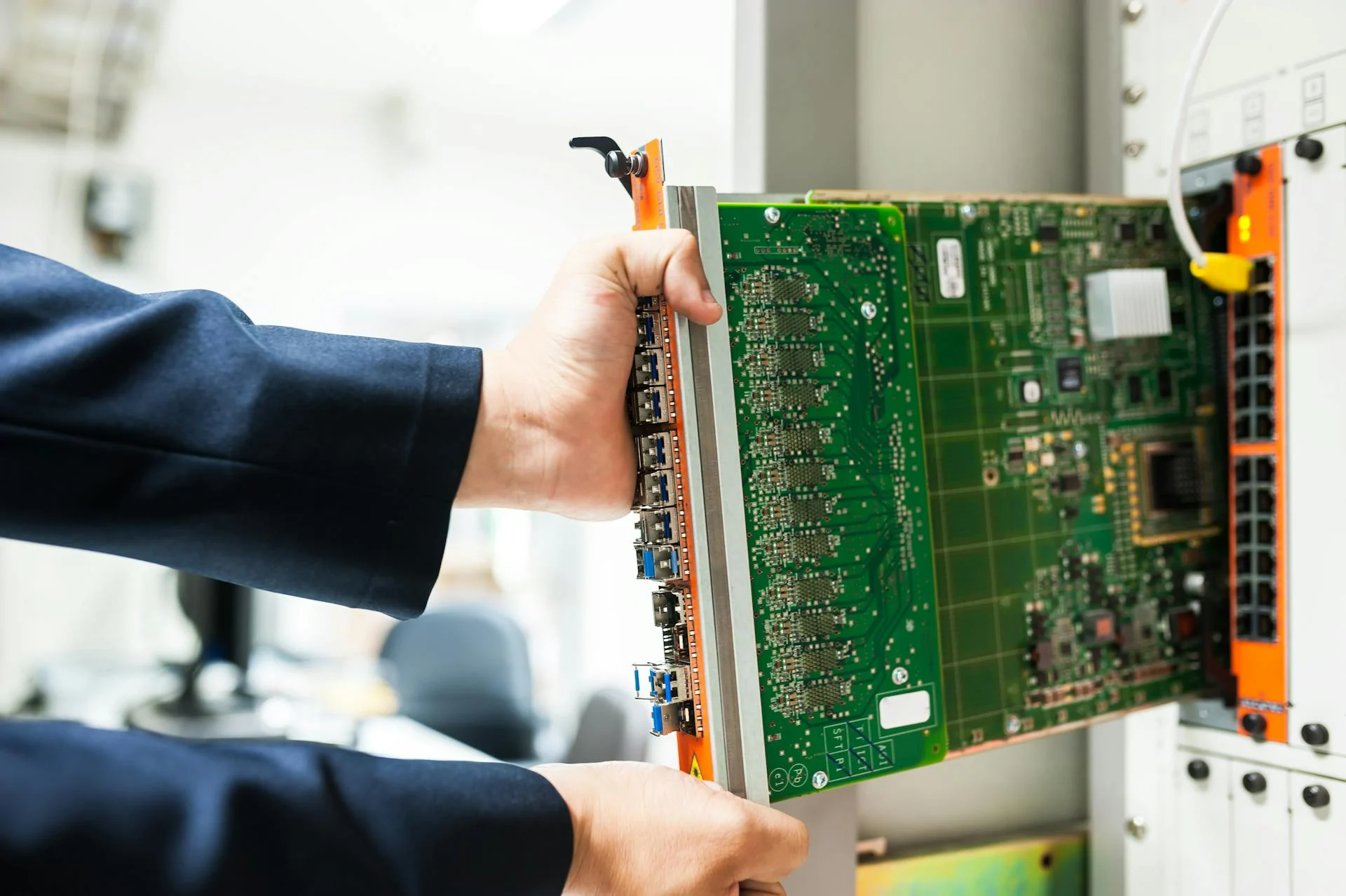
Advanced manufacturing technologies, including 3D printing, are redefining production methodologies. 3D printing allows for the rapid prototyping of components, enabling quicker iterations and better design validation. This technology reduces material waste and lowers production costs, vital factors in a competitive landscape. Another area of advancement in manufacturing technology is the development of printed circuit board assemblies, which are crucial for the functionality of electronic devices, and advancements in their production can lead to higher reliability and performance. The efficiency with which these components can be manufactured directly affects product quality and time to market.
The implementation of smart manufacturing systems fosters real-time data tracking and analytics throughout the production process. Companies can monitor machinery performance, track production rates, and analyze defect data in real time, facilitating quicker decision-making. This responsiveness allows businesses to adjust their operations immediately to address issues, maintain product quality, and optimize workflows. Integration of these advanced manufacturing systems greatly enhances productivity.
Data Analytics and Machine Learning
Data analytics and machine learning are becoming indispensable tools in electronics assembly operations. They provide insights that streamline processes and identify inefficiencies. By analyzing historical production data, companies can uncover patterns that help predict machinery failures before they occur. This predictive maintenance minimizes downtime and extends the life of expensive equipment. Machine learning algorithms optimize the assembly process by identifying the most efficient ways to arrange tasks on the assembly line.
With real-time data collection, adjustments can be made to decrease cycle times and improve throughput. This actionable intelligence is becoming increasingly critical in meeting the demands of rapid product development cycles. Integrating data-driven decision-making into assembly operations enhances quality assurance measures. By monitoring quality metrics, manufacturers can identify issues more swiftly and rectify them before they escalate into larger problems.
Supply Chain Management Innovations
Supply chain management plays a significant role in the efficiency of electronics assembly operations. The adoption of digital supply chain technologies facilitates better communication among suppliers, manufacturers, and customers. These innovations include blockchain technology, which enhances traceability, and electronic data interchange, streamlining transactions and information sharing.
During fluctuations in material availability or sudden demand surges, manufacturers can implement contingency plans more effectively. Consequently, this agility contributes to maintaining production schedules and cost control, both crucial aspects in electronics manufacturing. Automation is finding its way into supply chain management. Automated inventory systems and robotics in logistics further reduce lead times and enhance operational efficiency.
Sustainability Practices in Electronics Assembly
Sustainability has become a significant focus in electronics assembly, pushing companies to adopt greener manufacturing practices. Implementing environmentally friendly technologies and processes helps reduce waste and energy consumption. Many organizations are looking into renewable energy sources for their operations and seeking to recycle electronic components. Adopting sustainable practices addresses regulatory pressures and fosters a positive brand image among environmentally conscious consumers.
More organizations are establishing their sustainability goals, tracking their progress through software solutions that monitor energy use and waste production. These systems prompt compliance and identify savings opportunities, furthering operational efficiency. Efforts toward sustainability often align closely with advancements in technology.
Continuous Learning and Development of Workforce
A skilled workforce is vital for maximizing the efficiency of electronics assembly operations. Continuous learning and development programs enable employees to keep pace with technological advancements. Investing in training ensures that staff are adept at using new tools, software, and manufacturing methodologies. Companies that prioritize upskilling create a more agile and competent workforce.
Many organizations now foster partnerships with educational institutions to provide training programs that focus on emerging technologies relevant to the industry. Creating a culture of learning encourages innovation as employees feel empowered to explore new ideas and propose improvements. By establishing clear pathways for advancement, companies can retain top talent while boosting productivity.
Automation and robotics enhance production, while advanced manufacturing practices, machine learning, data analytics, and improved supply chain management streamline processes and reduce operational costs. Sustainability initiatives contribute to an environmentally responsible approach, and a well-trained workforce ensures that companies can adapt successfully. Embracing these key technologies equips the industry to meet the challenges of a fast-changing marketplace.