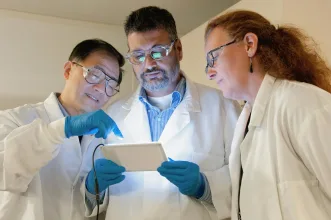
Every breakthrough starts with curiosity. Someone asks a question that nobody else thought to ask. But ideas alone don’t push science forward. Researchers need the right tools. They need equipment that turns sparks of imagination into real results. That’s where accessible technology changes the game.
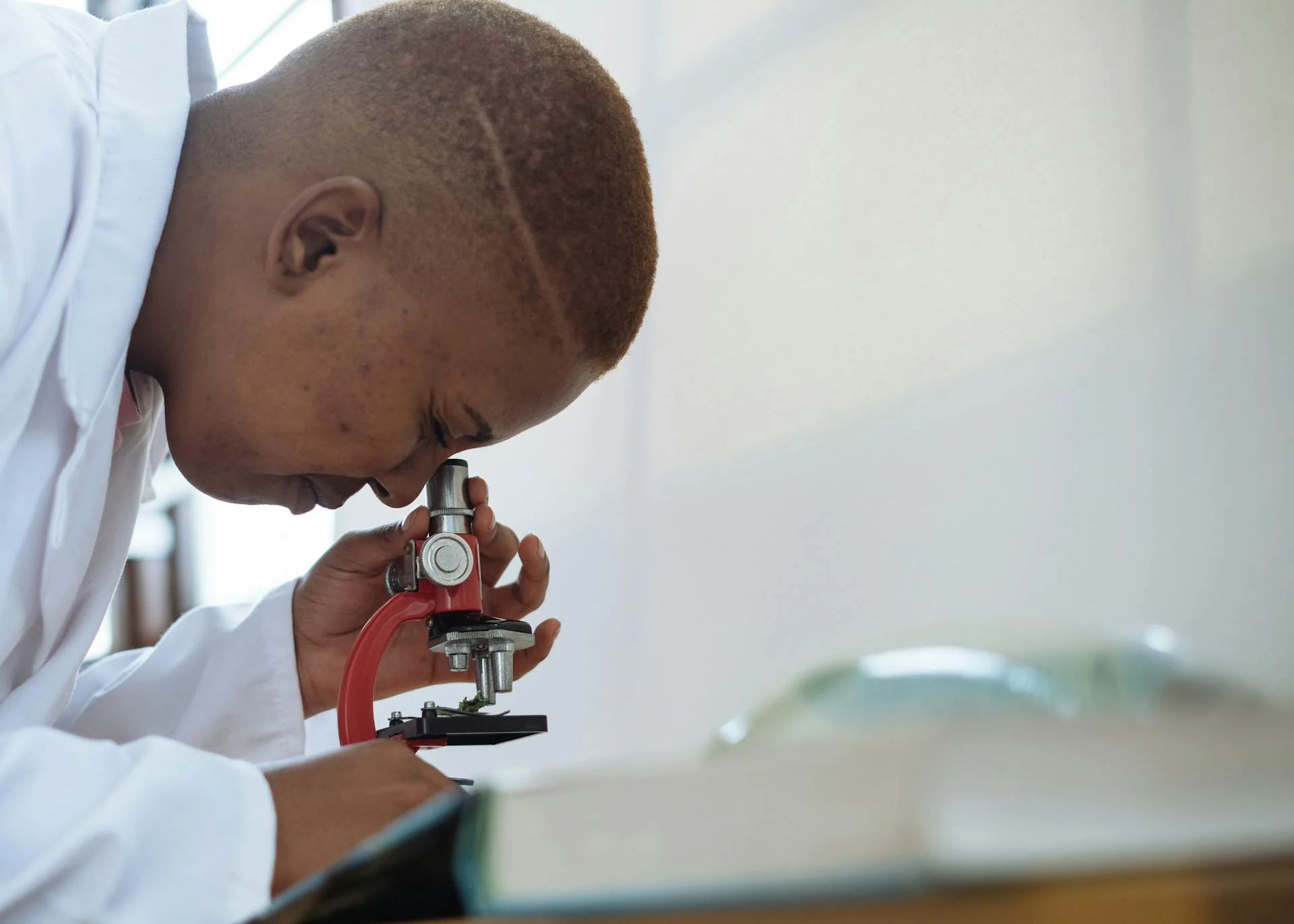
Advanced tools used to be locked behind heavy costs or elite labs. Now they’re showing up in smaller research spaces, classrooms, and even startups. A fluorescence microscope, for example, is no longer just for massive institutions. Students and young researchers can get their hands on one and push boundaries earlier than ever.
Breaking Down Barriers to Entry
For decades, cutting-edge science lived in big labs with big budgets. Independent researchers often had no way in. Smaller institutions struggled to keep pace. High-tech tools were too expensive or too rare. That wall is starting to crack. More companies are designing affordable versions of advanced equipment.
Cloud-based platforms also allow shared access. Renting instead of owning makes sense for many labs. These changes open the door to fresh voices. Bright thinkers no longer need to wait for perfect conditions. They can start testing and exploring now.
The Power of Democratized Tools
When tools become accessible, innovation spreads. It’s no longer about who has the biggest wallet. It’s about who has the boldest idea. A young researcher with limited funding can still make waves. A small startup can still publish data that rivals big pharma.
Accessibility doesn’t just help individuals either. It creates stronger collaboration. Scientists in different corners of the world can now use similar gear. That means results are easier to compare. It also means discoveries build faster because people aren’t locked out.
Accelerating the Pace of Discovery
Accessible technology also cuts down wasted time. In the past, researchers might spend years waiting for access to one piece of equipment. By the time they had it, someone else had moved ahead.
Now, timelines shrink. Affordable sequencing machines or open-source analysis tools make testing faster. A student can design a project in weeks, not years. A professor can guide a class through experiments that once felt impossible. That speed doesn’t just help education. It fuels real progress. The world gets answers sooner, and that matters. The more details you can see through your gear, the better your chances of identifying subtle patterns that lead to significant breakthroughs. Lab professionals often use microscope lenses that offer superior light transmission to ensure every image remains sharp even at the highest magnification levels. Having access to such precise optics allows researchers to document their findings with a level of clarity that supports rigorous peer review. This commitment to visual accuracy helps bridge the gap between initial theories and verified scientific facts.
Encouraging Bold Experiments
Another benefit of easy access is risk-taking. If a tool costs millions, people hesitate to try new things. Failure feels too expensive. But if the same tool is affordable or shared, researchers feel freer. They can test wild ideas. They can push limits without fear of bankrupting their lab.
And out of those risky experiments often come the biggest breakthroughs. Affordable access changes the mindset from “play it safe” to “let’s see what happens.” That shift has real value for science and technology.
Shaping the Next Generation
Young innovators need more than theory. They need hands-on practice. Accessible high-tech tools make that possible. A student using modern instruments in school gains skills early. By the time they enter the workforce, they’re not intimidated by complex machines.
They’re ready to apply knowledge in real settings. This early exposure grows confidence. It also builds diversity in research. More voices, from more backgrounds, can now step into innovation. That diversity leads to fresh questions and unique solutions.
Leveling the Global Playing Field
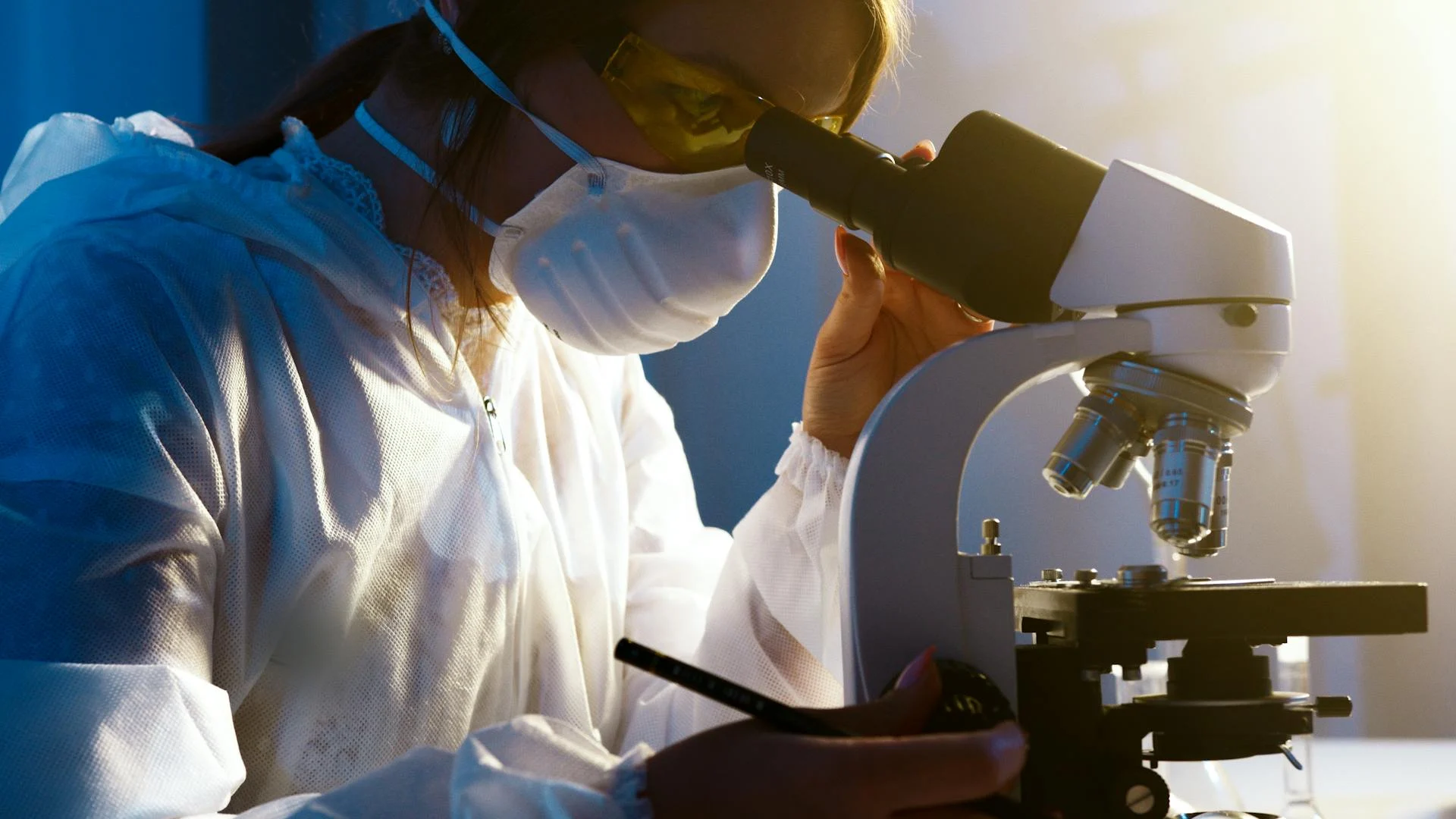
Accessibility doesn’t just matter locally. It matters globally. Many countries struggle with limited research infrastructure. Scientists there often face delays that hold back their potential. Affordable and shareable tools close that gap.
They allow bright thinkers in developing regions to contribute directly. Their perspectives often highlight overlooked problems. Their solutions sometimes outpace what larger labs are chasing. When access grows worldwide, innovation becomes a shared human effort. Everyone benefits.
The Future Belongs to Open Innovation
The story of discovery is changing. It’s no longer only about elite labs with exclusive machines. It’s about accessible technology in the hands of creative minds. The fluorescence microscope on a student’s desk might inspire the next medical breakthrough.
A low-cost sequencing tool in a startup might solve a global health challenge. By lowering barriers, we empower innovators everywhere. The future belongs to those who dare to experiment. And now, more people than ever finally have the chance.