The world of commercial damage restoration has seen remarkable advancements in technology in recent years. These innovations improve the efficiency and effectiveness of restoration efforts and the experience for businesses facing disasters.
Restoration companies can minimize losses and reduce recovery time so that affected businesses return to normal operations as swiftly as possible. Dive into the transformative technologies reshaping commercial damage restoration.
The Role of Disaster Recovery Services
When a disaster strikes, the importance of having reliable recovery services is a must. Those in the area can look into Jacksonville disaster recovery professionals who specialize in addressing the unique needs of businesses affected by water, fire, or other catastrophic events. These companies leverage innovative technologies alongside traditional restoration methods to deliver exceptional results. With a focus on rapid response times and comprehensive restoration strategies, they help businesses minimize losses and comply with local regulations and standards.
Through proactive assessments and customized restoration plans, these experts cater to various industries and help them address their specific challenges. The ongoing integration of advanced technologies allows for continuous improvement in restoration methods. By employing skilled professionals backed by innovative tools, businesses can confidently navigate the complexities of disaster recovery.
Drones in Damage Assessment
Drones can maneuver in difficult or hazardous environments, and restoration professionals can gather information quickly and safely. Drones equipped with high-resolution cameras and sensors can capture detailed images and data, enabling swift evaluations of damaged properties. Drone technology accelerates the assessment process and provides accurate documentation for insurance claims. Restoration companies can make informed decisions regarding the best course of action for recovery.
This type of technology offers a unique perspective that traditional methods cannot match in large or inaccessible areas. The utilization of drones in commercial damage restoration expedites timelines and improves accuracy in damage evaluations.
3D Scanning for Precise Measurements
In commercial damage restoration, 3D scanning technology provides precise measurements and detailed visualizations of affected spaces. It captures extensive data in real-time, creating accurate models of structures before and after damage occurs. Unlike traditional measurement methods, 3D scanning minimizes human error and guarantees consistency throughout the restoration process. When they create a digital record of the site, restoration specialists can easily reference and plan the necessary repairs.
3D models can aid in communicating with insurance adjusters and streamlining the claims process. 3D scanning technology improves accuracy, efficiency, and transparency in commercial restoration projects.
Artificial Intelligence in Restoration Planning
Artificial Intelligence (AI) is revolutionizing the way restoration companies analyze data and plan their restoration strategies. By utilizing machine learning algorithms, AI can predict potential damage patterns and assess risks based on historical data. Restoration teams can make data-driven decisions and optimize their resources and strategies more effectively. AI tools can analyze factors like weather patterns, materials used in construction, and even historical disaster recovery efforts, providing insights that inform restoration planning. These advanced capabilities reduce recovery time and lower associated costs for businesses.
Companies can allocate resources efficiently and improve their project management techniques and customer satisfaction. AI marks a significant leap forward in boosting the precision and efficacy of commercial damage restoration.
Moisture Detection Technology
In terms of water damage restoration, moisture detection technology is a necessity. Traditional methods of identifying moisture levels may fall short, leaving hidden water that can lead to mold growth and other complications. Modern moisture detection tools, such as thermal imaging cameras and moisture meters, allow restoration teams to identify even the smallest leaks and moisture pockets. Early detection prevents extensive damage and health hazards associated with mold infestations.
Armed with the right information, technicians can address moisture issues proactively for thorough drying and restoration. With accurate measurements in real-time, professionals can demonstrate to clients and insurers the necessity of certain repairs and drying processes. By embedding moisture detection technology into their workflows, commercial damage restoration companies can improve their effectiveness and safeguard client properties.
Mobile Applications for Project Management
Mobile applications have transformed project management in commercial damage restoration. These tools facilitate seamless communication between teams, clients, and suppliers, improving the coordination of restoration efforts. Team members can track progress, share documents, and communicate effectively regardless of their location.
Mobile applications can integrate with cloud storage solutions so that all stakeholders have access to up-to-date information and project documents. Advanced software features allow for comprehensive reporting, which aids in documenting the restoration process for both clients and insurance claims. By harnessing mobile technology, restoration companies can improve operational efficiency, accountability, and customer satisfaction.
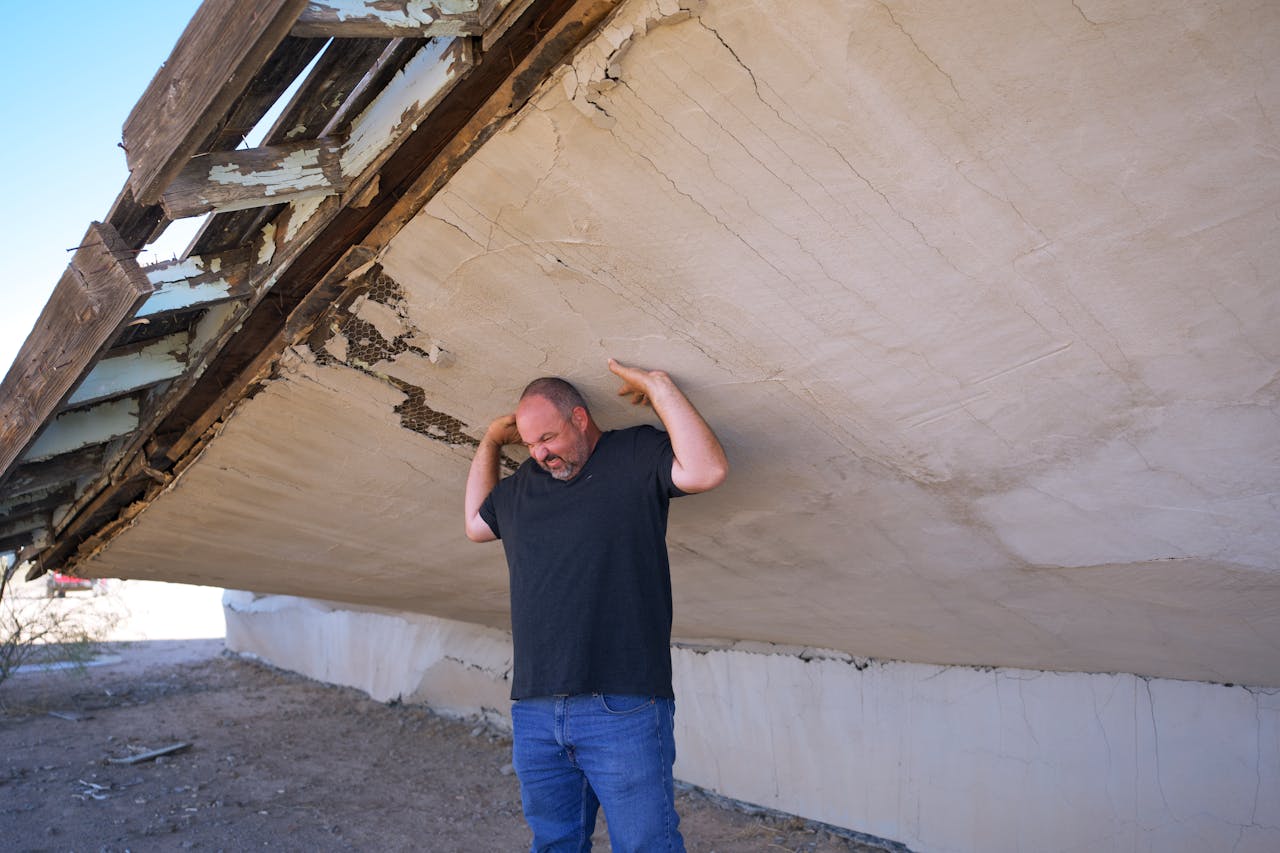
Innovative technologies are transforming the industry of commercial damage restoration. From drones and 3D scanning to artificial intelligence and moisture detection tools, these advances are streamlined processes and improved outcomes for businesses facing restoration challenges.
The rise of mobile applications improves project management and communication in a way that restoration teams operate at maximum efficiency. The focus will shift towards leveraging technology to create lasting solutions and support businesses in their recovery efforts.