Americans still need to borrow money, but they are having a harder time getting it. Lenders are being more cautious in their approval process and tightening their credit standards. The rising interest rates have significantly increased the cost of borrowing, making it harder for consumers to afford loan repayments.
The Federal Reserve Bank of New York found in its latest Survey of Consumer Expectations (SCE) Credit Access Survey that rejection rates increased to 21%, especially for consumers with credit scores under 680. As a result, the number of respondents who say they will apply for credit in the next 12 months dropped to 24.1%.
In this environment, it’s no wonder that more consumers are turning to alternative forms of credit, primarily app-based lending.
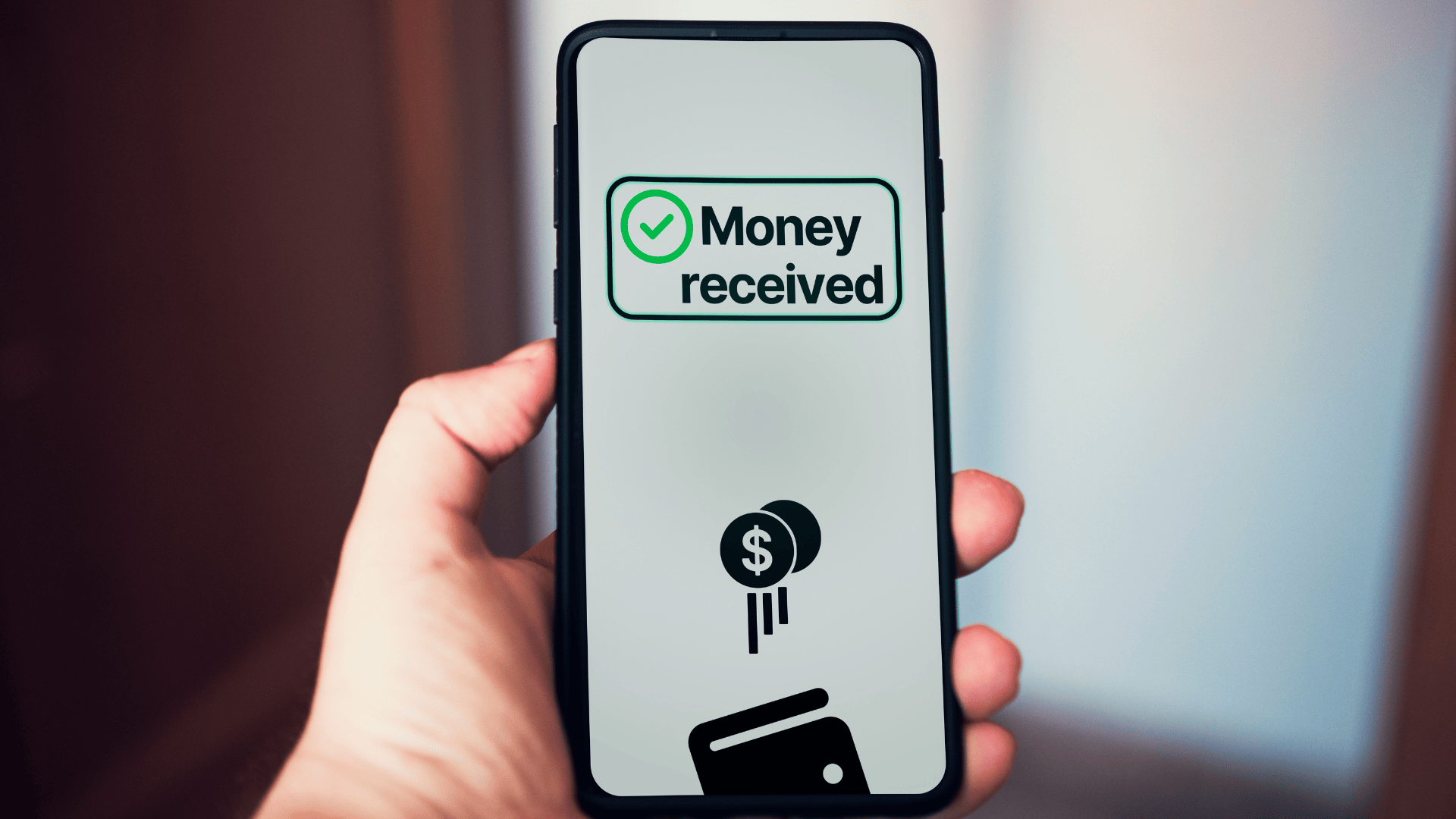
What is App-Based Lending?
App-based lending refers to the process of borrowing money through mobile applications. The majority of these applications provide paycheck advances or small-dollar loans. They are typically offered by financial technology companies as a means to receive cash quickly with minimal fees or credit requirements.
Most new cash advance apps lend small amounts ranging from $20 to $500. The app determines the amount users can borrow based on their banking history and income, rather than their credit score.
Some of these apps fall specifically in the category of Earned Wage Access (EWA) apps. EWA apps will only advance users’ money that they’ve already earned, but haven’t received. These apps require users to link an electronic timesheet or set up GPS tracking to record their work hours. Others partner with employers to accurately advance wages.
Fintech lending apps typically offer lower fees than traditional payday loans, but they are not entirely free. Most have a transparent fee structure where you pay a subscription fee or a flat fee. They may also request an optional tip. If you need the money instantly, most apps charge a fast funding fee.
Examples of Popular Lending Apps
The top cash advance apps are easy to use and have minimal fees. Below are a few of the most well-known and widely used lending apps today.
EarnIn
EarnIn is an EWA app that allows users to access money they’ve already earned before payday. By connecting a bank account and submitting a timesheet or enabling location tracking to verify work hours, users can borrow up to $100 per day, with a maximum of $750 per pay period. There’s no interest, but users are encouraged to leave a voluntary tip.
Dave
Dave provides users with cash advances of up to $500, with no interest or credit check required. It does require a small monthly membership fee of $1 and will request a tip. A Dave membership provides users with access to budgeting tools and automatic alerts for upcoming bills, helping them avoid overdraft fees. Dave also offers a side hustle feature to help users find gig jobs and increase their income.
MoneyLion
MoneyLion combines lending with a comprehensive suite of financial services, including banking, credit building, and investing. Users can borrow up to $500 with no interest or subscription through Instacash. Those who have recurring direct deposits into a linked RoarMoney account may be able to access up to $1,000. The app does charge a fast funding fee and will request a tip.
Risks and Concerns
App-based lending is convenient and easily accessible, but it has serious drawbacks. One major concern is the cycle of dependency. Many consumers take out a small advance to meet immediate needs, but are unable to budget for a smaller paycheck. They end up having to borrow again to make ends meet.
The cost of advances is significantly less than that of traditional payday loans, but most are not entirely free. Many of these apps rely on voluntary tips or paid memberships, which can add up. For example, a $1 tip on a $100 advance repaid in four weeks is equivalent to a 130.4% APR.
On top of that, many apps will automatically withdraw repayment. This can lead to overdrafts or bounced payments if users do not have sufficient funds. A few apps allow users to change due dates or offer overdraft protection, but not all.
Frequent use of cash advance apps can be indicative of a larger problem that they do not solve. Borrowing a small amount is only a temporary solution and can exacerbate the situation.
Who’s using these apps?
Cash advance apps have become increasingly popular among individuals seeking quick access to funds. They are primarily used by younger adults aged 25 to 44 who lack established credit histories and are comfortable with digital lending. They also tend to appeal to gig workers and individuals with generally inconsistent incomes.
Individuals with poor credit scores or a limited credit history find lending apps particularly helpful. Unlike credit cards or personal loans, apps typically do not require a credit check, making them more easily accessible. For the same reason, they are appealing to the underbanked population, which lacks access to traditional banking services or credit facilities.
The majority of consumers who use cash advance apps are low-income earners with limited savings. Individuals who earn less than $40,000 annually are more likely to utilize these services to cover their everyday expenses and manage their cash flow between paychecks. They are helpful for people who do not have a financial cushion to fall back on when unexpected expenses occur.
Final Thoughts
Cash advance apps can be useful in emergencies, but they are more of a temporary solution than a long-term cure. Consumers who rely on cash advances to get by and don’t budget for a smaller payday end up in a cycle of borrowing. They will continue to live paycheck to paycheck and will lose money to fees.
The best solution is for consumers to save app-based lending for true emergencies and increase their income and access to traditional credit products.