Let’s agree –- In today’s digital world, computer systems are vital to every business. Every business owner strives to ensure their network is secure and runs like a well-oiled machine, fueling success and productivity for their dedicated teams.
Out of numerous solutions available, remote monitoring and management RMM stands out. This helps IT teams monitor and collect data, and perform regular maintenance while ensuring they’re running well and secure.
To put it another way, RMM tools empower IT teams to transition from a “break-fix” model to proactive management, reducing downtime and optimizing operational costs.
Still not sure why remote monitoring is necessary for IT experts? Fret not. Stay with us to break down the top six reasons below.
1. Increased Efficiency through Centralized Management
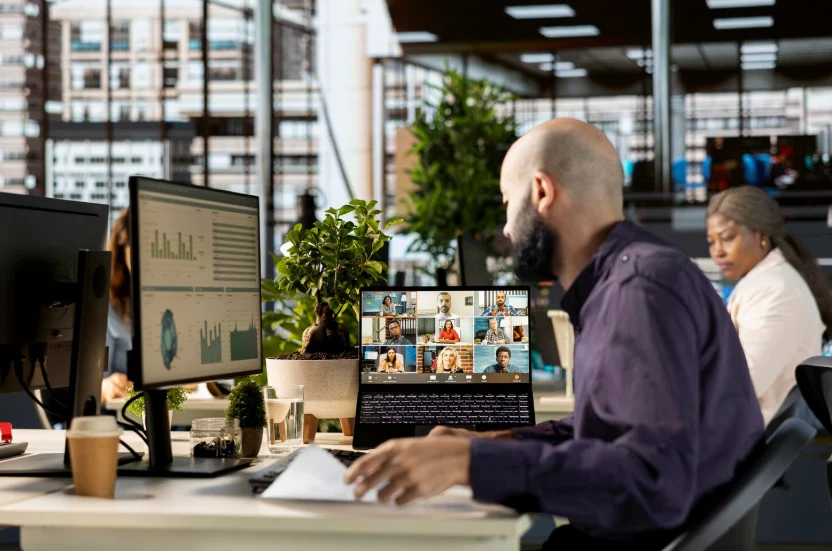
IT teams excel at managing thousands of devices—including laptops, servers, and routers—from a single centralized dashboard. This eliminates the need for manual, time-consuming checks on a frequent basis. Furthermore, it enables rapid troubleshooting from a remote location.
2. Automated Maintenance and Patch Management
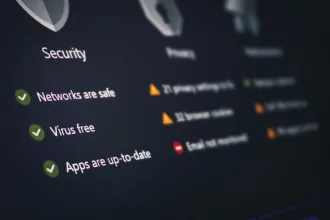
Remote monitoring and management (RMM) tools automate routine tasks such as software updates, patches, and security scans—all of which can be deployed silently in the background. This ensures that all devices remain up to date and compliant with your company’s security policies. There’s no interruption in user productivity.
3. Cost Savings and Resource Optimization
Businesses – no matter their size or niche – focus on reducing the need for on-site technician visits. In that way, they save on travel costs and labor costs. Proactive monitoring prevents failures caused by neglect, resulting in lower total cost of ownership. It also extends the lifespan of existing hardware and ensures there’s no interruption in the business workflows.
4. Better Support for Remote and Hybrid Workforces
Let’s say the teams’ disturbance rises; remote monitoring enables IT to support employees wherever they are – whether at home, in the office, or on the go. Therefore, employees can have secure, functional technology that effectively reduces downtime and frustration.
5. Data-Driven System Health Reporting
Remote monitoring is all about gathering data over time. It provides detail-oriented, actionable insights into the company’s network performance. From regular reports, IT departments can identify long-term trends, such as increasing disk usage or recurring errors. This attention to detail allows them to inform capacity planning and IT budgeting.
6. Improved User Experience and Productivity
Maintaining a stable, well-kept IT system ensures that applications run more smoothly and efficiently than expected. This leads to fewer user complaints. In case employees do not have to contend with slow or broken technology, what happens next is that their overall productivity and satisfaction increase.
Wrapping It Up
In all these exceptional ways, remote monitoring and management (RMM) empower IT teams to keep the company’s network, its performance, and efficiency on track for success. Find a comprehensive solution, like ConnectWise, that offers RMM solutions designed to prevent manual checks and efforts and ensure timely responses that will go in the company’s favor.