Custom furniture gives homeowners the freedom to choose pieces that fit their space, lifestyle, and personal taste. But when you’re ordering something made specifically for your home, it can be difficult to know exactly how the finished piece will look until it’s already been produced.
That is where furniture visualization can make the process easier. Instead of relying entirely on measurements, fabric samples, or imagination, homeowners can explore different designs and configurations before making a final decision.
From choosing the right size to experimenting with colors and layouts, here are 10 benefits of visualizing custom furniture before you buy.
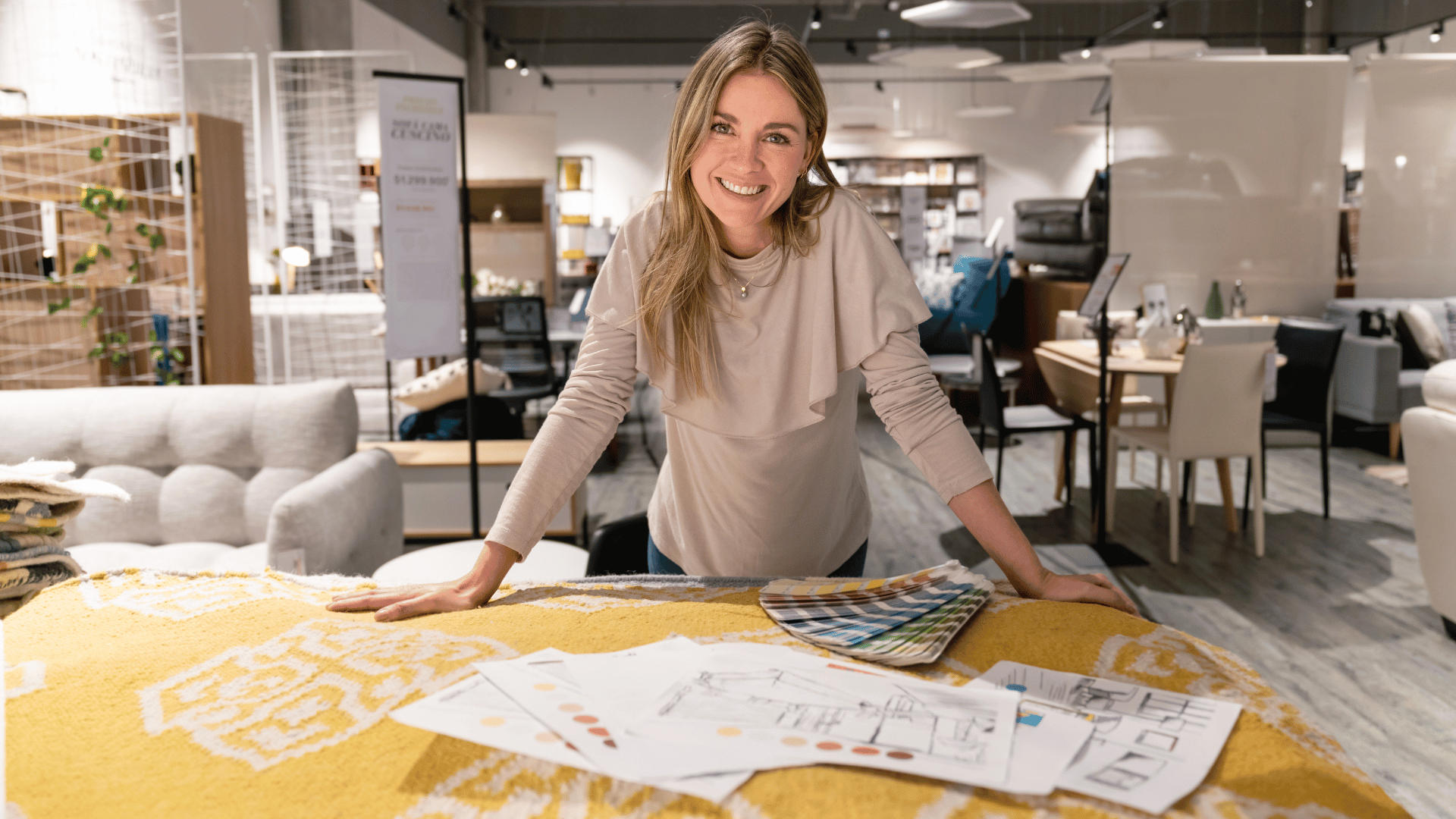
1. See How the Furniture Will Look in Your Space
One of the biggest challenges when buying furniture is imagining how a piece will actually look once it is inside your home.
A sofa might look perfect in a showroom or product photograph but feel completely different when placed in your living room. Its size, shape, and color can interact with the rest of the space in ways that aren’t always obvious from a product image.
Visualization gives you a better idea of how the furniture will work with your walls, flooring, lighting, and existing pieces before you commit to the purchase.
2. Understand Size and Proportion More Clearly
Furniture measurements are important, but numbers alone don’t always communicate scale.
A sectional might technically fit into a living room while still making the space feel cramped. Likewise, a dining table may fit within a room but leave too little space for comfortable movement.
Seeing a piece within a visual representation of the room makes it easier to understand its proportions. This is particularly useful when designing larger or unusual pieces of custom furniture.
Interior designers regularly emphasize the importance of scale and proportion when selecting furniture. Architectural Digest, for example, notes that furniture should be considered in relation to the size and proportions of the surrounding room.
3. Experiment With Different Styles
One of the biggest advantages of custom furniture is having more control over the final design.
Depending on the manufacturer, you may be able to choose different upholstery, finishes, colors, configurations, legs, cushions, or other details. The number of possible combinations can quickly become overwhelming.
Visualization allows you to explore those options before settling on one design.
You can compare a neutral sofa with a darker finish, experiment with different configurations, or see how a particular material changes the overall appearance of a piece.
This makes the design process more creative while giving you a clearer idea of what actually works.
4. Make Furniture Customization Easier to Understand
Customization can become complicated when a product has many different options.
Imagine designing a modular sofa. You might need to choose the number of seats, the position of a chaise, the fabric, color, leg style, cushions, and other features. Reading through a list of options doesn’t necessarily tell you what the finished sofa will look like.
A 3D configurator can make those choices much easier to understand by showing the product as you customize it.
Instead of selecting options one at a time and trying to picture the result in your head, you can interact with a visual representation of the furniture and see how different choices change the design.
5. Reduce the Risk of Expensive Design Mistakes
Custom furniture is often made specifically for one customer, so mistakes can be more difficult to correct.
Choosing the wrong dimensions, configuration, material, or color can result in additional costs, delays, or a finished piece that doesn’t look the way you expected.
Visualization gives you an opportunity to review your choices before production begins.
It doesn’t replace accurate measurements or professional advice, but it can help you spot obvious design problems earlier in the process.
6. Compare Colors and Materials With Greater Confidence
A small fabric or material sample doesn’t always tell you how a finished piece will look.
The same fabric can appear different depending on the surrounding colors, lighting, and other furniture in the room. A finish that looks great on its own may not work as well alongside your flooring or existing decor.
Digital visualization makes it easier to compare different combinations.
You can explore upholstery colors, wood finishes, materials, and other details and get a better sense of how they work together before making your final selection.
For important purchases, it’s still a good idea to request physical samples. But combining samples with digital visualization can give you a more complete picture.
7. Make Sure the Furniture Works for Your Lifestyle
Good furniture isn’t only about appearance. It also needs to work for the people who use it.
A family might need a large sectional for everyday lounging. Someone working from home may need a desk with additional storage. A homeowner with limited space might prefer modular furniture that can be rearranged when needed.
Visualizing different configurations can help you think about these practical requirements before committing to a design.
Instead of asking only whether a piece looks attractive, you can consider whether its size, layout, and features actually support the way you use the room.
8. Communicate Your Ideas More Clearly
Visualizing furniture can also make communication easier when multiple people are involved in the design process.
Homeowners may work with interior designers, furniture manufacturers, architects, or contractors. Explaining a design idea entirely through words can sometimes lead to misunderstandings.
A visual representation gives everyone something concrete to discuss.
You can point to a specific configuration, color, material, or dimension and explain exactly what you want to change. This can make revisions easier and reduce unnecessary back-and-forth.
It can also help homeowners feel more involved in the design process rather than simply choosing from a finished selection of products.
9. Feel More Confident Before Making a Purchase
Custom furniture can represent a significant investment, so it’s natural to want some reassurance before placing an order.
Being able to explore the furniture visually can reduce some of the uncertainty that comes with buying something customized.
Rather than relying only on a description or a few product photographs, you can see how different options affect the overall design.
This doesn’t guarantee that the finished product will look exactly like the digital representation, but it provides another useful reference point when making the decision.
10. Turn an Idea Into Something You Can Actually See
Perhaps the biggest advantage of furniture visualization is that it turns an idea into something tangible.
You might know that you want a large modular sofa in a warm neutral fabric, a built-in storage solution for an awkward wall, or a dining table designed around a particular room.
The challenge is moving from that idea to a design you can actually evaluate.
Interactive visualization tools help bridge that gap. Instead of simply imagining the finished furniture, you can explore different possibilities and make adjustments before production.
That can make the journey from inspiration to finished furniture much more straightforward.
What to Keep in Mind When Visualizing Custom Furniture
While digital visualization can be extremely helpful, it should still be used alongside practical planning.
Start with accurate measurements of the room and the furniture. Consider doorways, windows, walkways, outlets, radiators, and other features that could affect the final layout.
It’s also important to think about how people move through the room. A piece might fit technically but still make the space uncomfortable if it blocks a walkway or prevents doors and drawers from opening properly.
For more guidance, homeowners can also explore Lord Decor’s guide on visualizing your home before buying furniture, which covers measurements, room layouts, and digital visualization techniques.
Physical material samples are also worth considering for major purchases. Screens can display colors and textures differently depending on the device and lighting conditions.
The best approach is to combine digital visualization with real measurements, physical samples, and professional guidance when necessary.
A More Confident Way to Design Custom Furniture
Custom furniture allows homeowners to create pieces around their space, lifestyle, and personal preferences. But the greater the number of choices, the more important it becomes to understand what the finished piece will actually look like.
Visualization makes that process easier by allowing you to explore different sizes, styles, colors, materials, and configurations before committing to a design.
Whether you’re planning a custom sofa, dining table, storage solution, or another piece of furniture, seeing the possibilities before you buy can make the entire experience more practical and enjoyable.
The goal isn’t simply to create furniture that looks good on a screen. It’s to make better-informed decisions so that the finished piece feels right when it becomes part of your home.