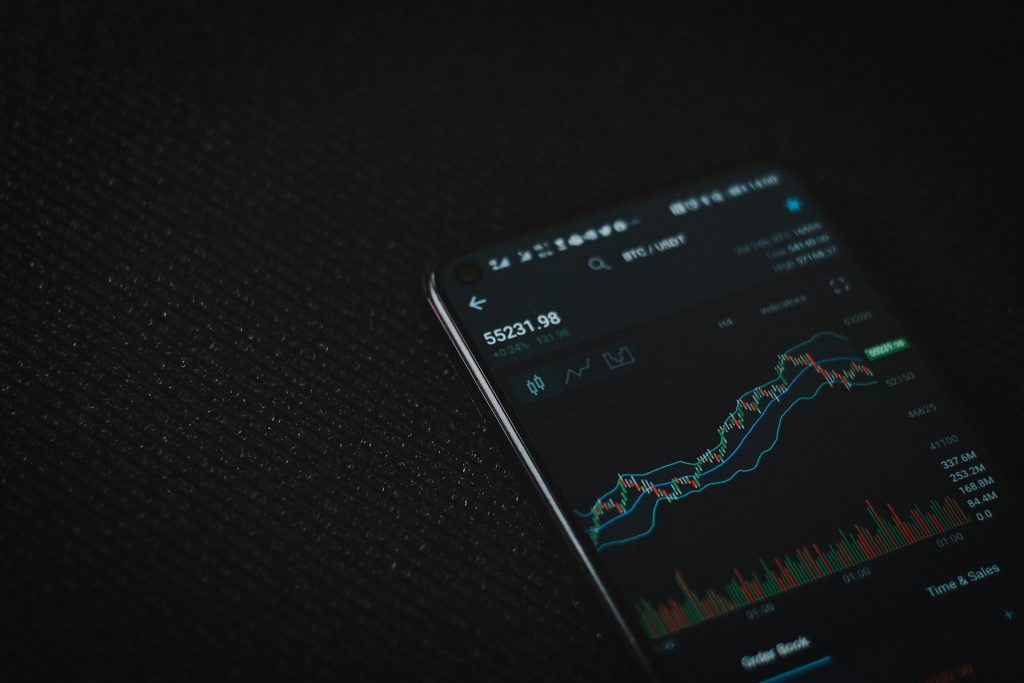
Tired of guessing where your crypto really is?
Smart money tracking is fast becoming one of the most important tools in the serious crypto investor’s arsenal. Gone are the days of logging into five different exchanges to eyeball wallet balances in five different places. The crypto wallet market is now worth over $12 billion with a compound annual growth rate of 26.5%. Investor tools have had to keep up.
Here’s the issue…
Investors have assets across many blockchains, exchanges and wallets. It’s hard to see total portfolio value in this kind of fragmentation. When markets are moving, not knowing your exact position can cost real money.
Enter smart tools that aggregate all your data in one place.
In this post we’re going to cover:
- Why crypto portfolio tracking is so important right now
- How to choose the right wallet tracker
- Hidden risks in manual portfolio tracking
- Best practices for securely managing your crypto investments
Why Crypto Portfolio Tracking Is So Important Right Now
The crypto landscape has evolved rapidly. There are now over 400 million active wallet addresses worldwide and that number is growing every day. Investors hold a wider range of assets now, too. Bitcoin is old news. Ethereum is important, as are Solana, Base, Arbitrum and many other networks.
This presents a real problem.
In any cryptocurrency wallet comparison smart investors are looking for tools that provide maximum blockchain coverage to track across every network live in real time. If the tool doesn’t support a particular blockchain, that’s a failure to deliver visibility.
Holdings spread across ten wallets and three exchanges are the new normal.
Checking balances on all those services by hand can take ages. By the time it’s done the market has likely already moved on.
The point here is that smart tracking tools solve this issue by aggregating all the data in a single easy to use dashboard.
How To Choose The Right Wallet Tracker
When it comes to wallet tracking not all tools are created equal. Some only support major blockchains while others have coverage of hundreds of networks. The ideal tracker is the one that meets your unique needs based on where your assets are and which features are most important to you.
Criteria to consider when choosing a crypto portfolio tracker:
- Multi-chain support: Your tool should support every blockchain you use. This includes Bitcoin, Ethereum, BNBChain and Solana along with newer upstarts like Arbitrum and Optimism.
- Exchange integration: Most people keep some funds on centralised exchanges. The ideal tracker will connect to them using read-only API keys.
- Real-time updates: Cryptocurrency moves fast. Delayed data is no good for active traders.
- Security is a must: Read-only access to data is non-negotiable. The tracker should never have access to move any funds.
Coverage and user experience are key. A tool that lets you track 95% of your assets is leaps and bounds better than one that only covers half.
Hidden Risks In Manual Portfolio Tracking
Manual tracking of crypto wallets is actually far from as simple as it sounds. It involves just logging into each wallet and exchange, recording balances and adding it all up, right?
Not so fast…
Manual tracking methods have several hidden downsides that can hurt portfolio performance.
- Inaccurate records: Recording all those balances manually is just asking for errors. One missed zero in a spreadsheet can throw off the whole portfolio picture.
- Missed transactions: Airdrops, staking rewards and little dust balances on old trades are easily forgotten when doing crypto portfolio management manually. These small amounts can add up to real value being left untracked.
- Security exposure: Logging into multiple platforms and services increases risk. Every login is another opportunity for credentials to be phished or otherwise compromised.
The issues with manual portfolio tracking go beyond simple tracking mistakes, too. Cryptocurrency hacks surged 21% in 2024 according to a recent Chainalysis report. The total of funds stolen in 2024 jumped to $2.2 billion. Know where assets are held. Know how to properly track them. This is the first step in protecting yourself.
Best Practices For Securely Managing Crypto Investments
Smart money tracking is only half the battle. Proper portfolio management calls for a systematic approach to security and organisation.
First up: auditing all existing wallets and exchange accounts. Make a complete inventory of every place crypto is held. Hardware wallets, software wallets, exchange accounts, DeFi positions, staking contracts – list them all.
Once everything is documented, consolidation is key. This can reduce accounts from ten to two or three in many cases. Fewer accounts means less attack surface and way easier tracking.
Security should be the next step. Unique passwords for every account, two-factor authentication (2FA) enabled everywhere it’s available, and absolutely no storing of recovery phrases digitally.
Lastly, set up a routine for regularly reviewing the portfolio. Smart tools make this easy with alerts when balances change unexpectedly. An early warning system to help catch problems early before they become disasters.
Why It Matters More Than Ever Right Now
The crypto market is maturing. We are seeing increased institutional investment. Regulatory frameworks are forming around the world. And the tooling available to retail investors is improving all the time.
Those that embrace smart money tracking get several advantages:
- Visibility into total portfolio value becomes clear and easy to see
- Faster decision making in times of market moves
- Much improved tax documentation and reporting
- Ability to see unauthorised transactions early
Sticking to manual processes will only ever keep you in the game with your eyes open. It’s great practice for actually investing as less time is wasted on administrative tasks.
Seems obvious, right?
Wrapping It Up…
Smart money tracking has moved from being a nice-to-have feature to a must-have for serious crypto investors. Assets spread across a multitude of blockchains and platforms simply make manual tracking a non-starter.
The right tool needs to provide deep blockchain coverage, exchange integrations and real-time updates. It must make the job of portfolio management easier while keeping security front and centre.
Let’s go over the main takeaways:
- A tracker that covers all the blockchains where you have assets is ideal
- Security is a priority so read-only access is required
- Audit and consolidate accounts wherever possible
- Schedule regular portfolio reviews
The crypto market favours the informed investor. Smart tracking tools provide the information those investors need to make better, faster decisions. In a market that doesn’t sleep, that edge matters.

Founder Dinis Guarda
IntelligentHQ Your New Business Network.
IntelligentHQ is a Business network and an expert source for finance, capital markets and intelligence for thousands of global business professionals, startups, and companies.
We exist at the point of intersection between technology, social media, finance and innovation.
IntelligentHQ leverages innovation and scale of social digital technology, analytics, news, and distribution to create an unparalleled, full digital medium and social business networks spectrum.
IntelligentHQ is working hard, to become a trusted, and indispensable source of business news and analytics, within financial services and its associated supply chains and ecosystems