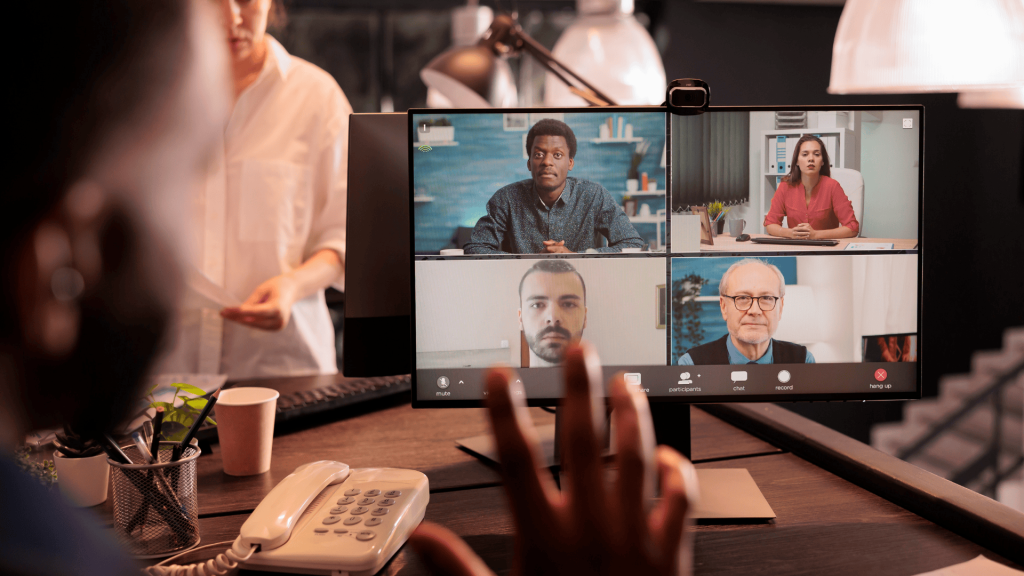
Deadlines get hit, but something’s off. One person stops replying mid-thread, and another delivers version six but seems distant. Remote work gave you coverage across time zones, and suddenly, no pulse check at all. The quiet ones stay quiet. The reliable ones go dim.
This article explores why burnout builds faster in remote teams and how to fix it so that energy lasts, focus holds, and work doesn’t quietly unravel. A remote worker app gives you early signs and a clearer way to intervene.
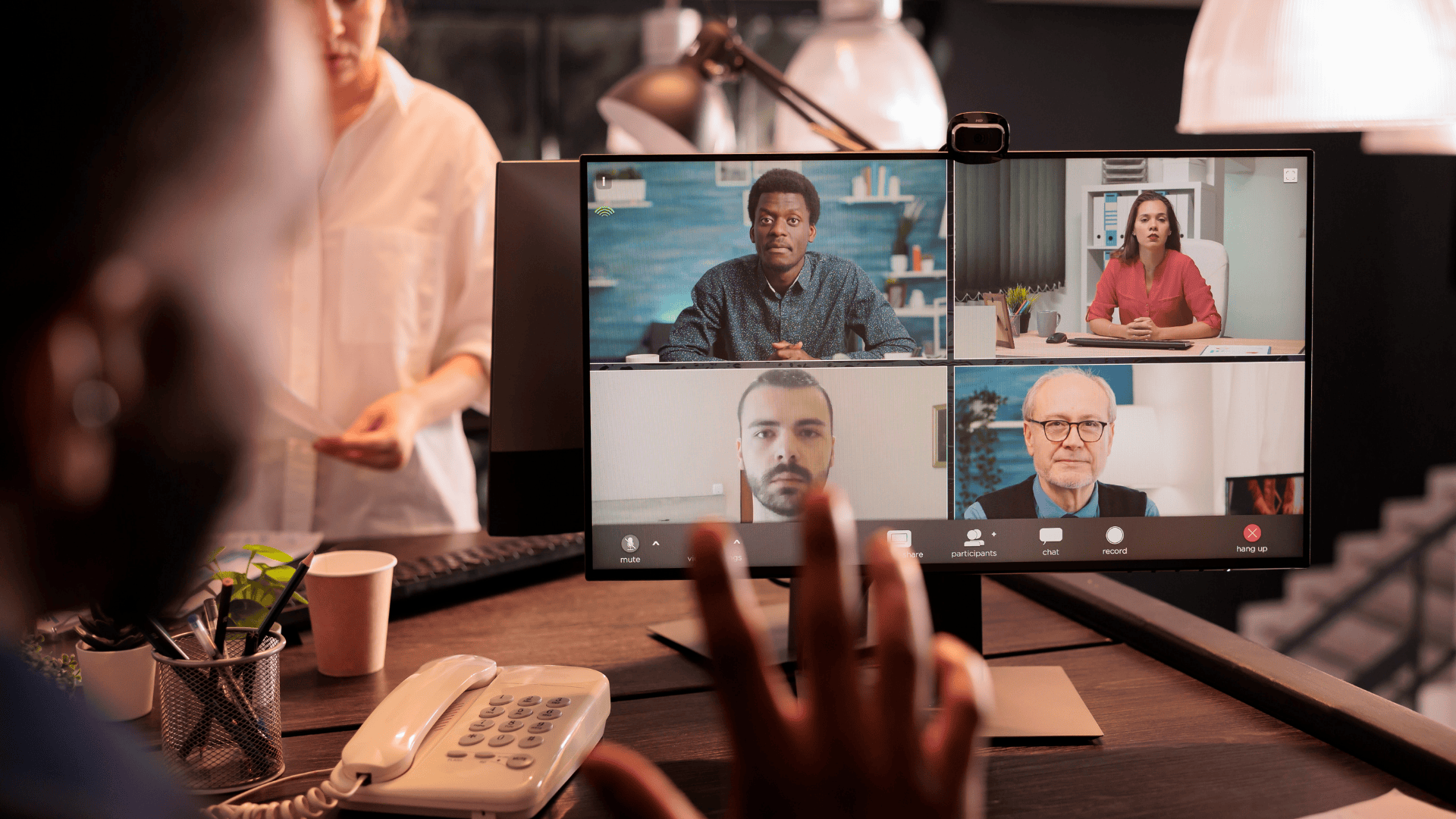
Why Burnout Builds Fast in Remote Teams
You can’t manage what you can’t see. And in remote work, burnout hides behind green dots and on-time files until it hits output hard. New research from Moodle found that 66% of U.S. employees are feeling some level of burnout in 2025.
Here’s where the pressure shows up first:
- Invisible Overwork: Without cues, teammates stretch their limits trying to prove value.
- Scattered Focus: Constant switching between messages and tasks splinters momentum.
- No Reset Moments: There’s no physical shift between on and off, so fatigue builds unnoticed.
- Unclear Progress: Wins get buried when updates live across apps, threads, and guesses.
How to Stop Burnout from Taking Hold
What keeps remote teams steady is rhythm, visibility, and balance.
Here’s how to bring structure to the work so energy isn’t wasted holding it all together:
1. Normalize Downtime as Part of Output
Downtime works best when it’s visible, expected, and treated as part of the job, rather than something to justify or sneak in. It acts as a boundary that signals when focus ends, helping reset the brain between work cycles. In remote and hybrid teams, this boundary often needs to be more deliberate to have the same effect.
When downtime is unclear, output never feels done. That leads to pressure to stay always-on, even after tasks are complete. Without consistent breaks, your team risks running flat before you notice.
Look for signs of overwork hiding in plain sight, like back-to-back tasks, skipped breaks, or constant responsiveness. Reinforce that rest isn’t a reward. It’s part of how the team stays sharp.
How can remote team management tools help protect downtime?
Remote team management tools show when work stretches too long without meaningful breaks or clear stopping points. A teammate might stay logged in for long blocks without pausing, which could signal it is time to reset the pace and encourage clearer boundaries in the day.
2. Build Protected Deep Work Blocks
Deep work blocks are uninterrupted stretches of time reserved for focus-heavy tasks. They’re fixed on the calendar, respected across the team, and free from meetings or messages. These blocks help restore cognitive rhythm that scattered schedules tend to erode.
Most burnout isn’t caused by volume, but by fragmentation. When teammates get pulled in five directions, even small tasks feel heavy.
Check whether anyone’s getting full blocks of time without pings, threads, or taps on the shoulder. If focus hours keep breaking down, help reset the schedule so deep work actually has room to happen.
How can monitoring tools reinforce deep work blocks?
Monitoring tools show how often focused hours get interrupted by meetings, messages, or
task switching. One teammate could have every deep work block broken by overlapping requests, which might prompt you to shift priorities and shield their focus.
3. Track Load, Not Just Hours
Tracking load means paying attention to how work is distributed and not just how long someone is active. It surfaces the weight and complexity of assignments that time-based tracking often misses. This view helps you understand the real effort behind each workday.
Clocking in at nine and out at six doesn’t tell you what happened between. Someone could spend half the day bouncing between revisions, updates, and shifting deadlines. That kind of mental overhead doesn’t show up on a timesheet, but it drains faster.
Start watching for energy patterns. Shift the weight early so output stays steady and no one burns out silently.
How can remote worker tracking software reveal overload?
Remote worker tracking software maps how time is spread across tasks, highlighting effort spikes and fragmented workflows. A teammate might spend their entire week toggling between five projects, which could lead you to rebalance assignments before they burn out.
4. Make Progress Visible
Progress visibility means showing how work is unfolding in real time and not just delivering finished outputs. It turns motion into something observable, which builds trust across the team. It also helps everyone stay aligned without chasing updates.
In remote and hybrid setups, when you can’t see the work, the effort behind it goes unnoticed. That disconnect wears employees down, especially those who are producing but rarely seen.
Use lightweight, regular signals to surface progress earlier and keep momentum visible as the work unfolds. It doesn’t need to be detailed, just consistent enough to show motion and keep the team connected.
How can a workforce intelligence platform support progress visibility?
Insightful.io workforce intelligence platform surfaces work patterns in real time, making it easier to track ongoing output without constant updates. A teammate could spend three focused days advancing a key deliverable without posting a single update, which might help you keep the momentum visible to the rest of the team.
5. Protect Team Energy With Smart Tools
A monitoring tool doesn’t prevent burnout on its own, but it gives you the signals that help you step in before things break down. It turns invisible effort into something you can track, read, and act on early.
Here’s what it helps you prevent burnout:
- After-Hours Trends: Surface quiet overwork before it becomes fatigue.
- Focus Time Visibility: Spot interruptions breaking deep work.
- Load Balance Checks: See who’s juggling too much and why.
- Progress Signals: Show motion clearly without needing a check-in.
Final Word
When you bring downtime into the open, protect focus, and track real effort, burnout stops being invisible. A monitoring tool gives you the early signals, but the shift comes from how you respond. When the workday has structure and the remote and hybrid team has space, energy starts to build instead of draining away.

Shikha Negi is a Content Writer at ztudium with expertise in writing and proofreading content. Having created more than 500 articles encompassing a diverse range of educational topics, from breaking news to in-depth analysis and long-form content, Shikha has a deep understanding of emerging trends in business, technology (including AI, blockchain, and the metaverse), and societal shifts, As the author at Sarvgyan News, Shikha has demonstrated expertise in crafting engaging and informative content tailored for various audiences, including students, educators, and professionals.