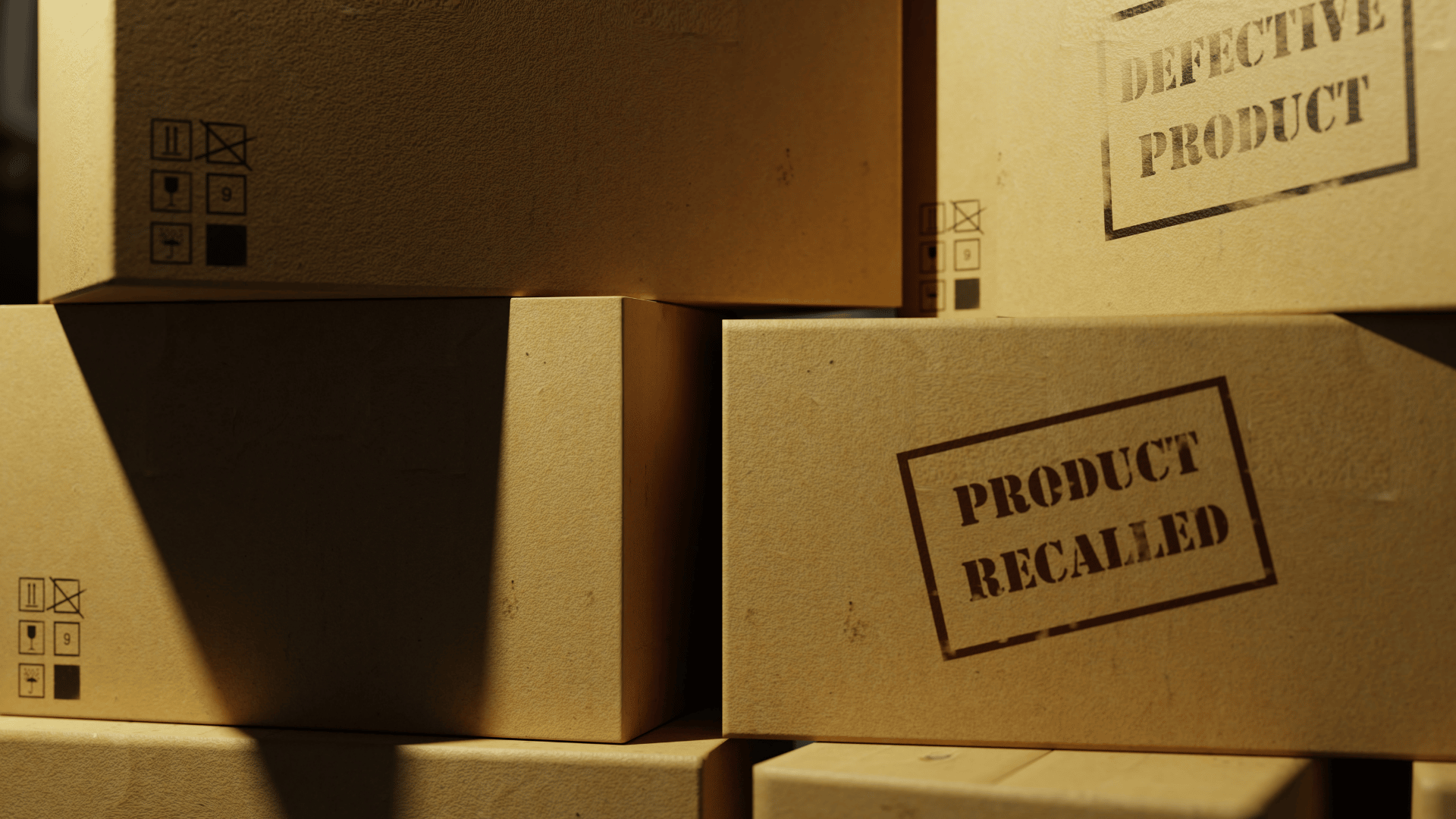
When a product gets pulled from shelves, there’s usually a press release, maybe some news coverage, and the general impression that someone caught a problem before it got too bad. That’s rarely how it actually goes. In most cases, a pattern of injuries had to build up first: real people, real harm, before anyone with the authority to act did anything about it. If you were hurt by a product that was later recalled, or one that probably should have been, talking to a South Carolina personal injury lawyer sooner rather than later matters, because the gap between when injuries start and when a recall happens has real consequences for anyone trying to pursue a claim.
The CPSC and FDA don’t have eyes on every product moving through the market. Both agencies lean heavily on manufacturers and importers to flag their own problems, which is a bit like asking someone to grade their own exam. Complaints trickle in, adverse event reports pile up slowly, and by the time a pattern becomes impossible to ignore, a product may have been hurting people for a year or longer without a single official action taken.
The Gap Between Injury and Action
Drug companies have to keep monitoring their products after they hit the market. Consumer product manufacturers largely don’t. Once something is sold, there’s no legal requirement to track how it’s performing or whether it’s hurting people. That matters because not every defect shows up right away. Some products cause harm gradually, through repeated exposure or slow-developing complications, and those are exactly the situations where injuries accumulate quietly while the product stays on shelves. By the time a clear connection gets established between a product and the harm it’s causing, the gap between first injury and any kind of official response can easily run into years.
Getting a hazard flagged is only the beginning. After that comes negotiation between the company and regulators over how the recall gets classified, what language gets used, and how broad the scope is. That back-and-forth takes weeks, and the product doesn’t get pulled from circulation while it’s happening. It keeps moving. Supply chains keep running, stores keep selling it, and it stays in homes where people keep using it. When an announcement finally does come out, don’t expect a phone call. The notification system mostly relies on press releases and website postings that the average consumer has no reason to go looking for. If you bought something six months ago and it gets recalled today, the odds are good you’ll never hear about it.
Why Companies Are Slow to Act
Recalls are expensive, and not just in dollars. They bring media attention, depress stock prices, open the door to litigation, and require companies to eat the cost of refunds or replacements. So the incentives push toward waiting. Legal teams counsel caution. PR teams weigh reputational risk. “Wait and see” becomes the operating posture until the evidence becomes too loud to ignore. Discovery in product liability lawsuits has surfaced internal communications in plenty of high-profile cases showing that companies had identified defects well before they said anything publicly.
The CPSC oversees an enormous range of products with a staff and budget that don’t match that scope. The Consumer Product Safety Act puts the burden of reporting safety issues largely on the manufacturers and importers themselves, the same parties with a financial stake in not reporting. It’s a structural conflict of interest, and it’s baked into how the system runs.
What This Means for Injured Consumers
Here’s where this gets practical. A lot of people who were hurt by a defective product either never learn about a recall at all, or they find out after the deadline to file a claim has passed. South Carolina’s statute of limitations in product liability cases runs from the date of injury, or from when you reasonably should have connected your harm to the product. That second part matters in cases involving medical devices, implants, or surgical tools, where complications may not point obviously back to a specific product right away. A medical malpractice attorney South Carolina residents turn to for those kinds of cases knows how to piece that timeline together and whether the window is still open.
Worth knowing: a recall doesn’t have to exist for you to have a valid claim. You’re not waiting on the government or the manufacturer to officially confirm there was a defect. If a product was unreasonably dangerous, didn’t perform the way a reasonable person would expect, or came without warnings it should have had, a claim can be viable regardless of whether a recall was ever issued. A South Carolina personal injury lawyer (https://hoodlawoffices.com/) can look at what happened and tell you whether there’s a case worth pursuing against the manufacturer, distributor, or retailer.
The Takeaway
Product recalls are not evidence that the system is working. They’re usually evidence that it already failed, that enough people got hurt to force someone’s hand. The recall framework is built around the interests of manufacturers, regulatory bandwidth, and legal risk management. Consumers come last in that process. If you’ve been injured and you’re waiting for an official recall before you do anything, you may be waiting past the point where your options are still open.