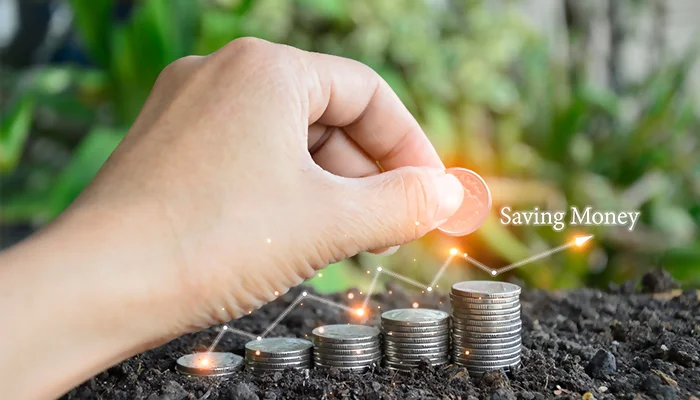
Self-discipline helps you become a good saver because it makes you stop and think before you spend. It helps you say “no” to things you want right now, so you can say “yes” to bigger goals later. When you don’t have self-discipline, you may save a little one month and spend too much the next month. But when you build self-discipline, saving becomes a normal habit. You save regularly, you make smarter choices, and over time, you feel more secure, less stressed, and more confident about your money.
In this guide, you will learn how people think about money, simple ways to control spending, and practical tips you can use in real life. All of this will help you clearly understand why self-discipline is the main reason people become successful at saving money.
What Does It Mean to Be a Disciplined Saver?
A good saver doesn’t wait to “feel motivated.” They use simple rules and routines that help them save no matter what. Financial self-discipline means:
- Spending on purpose, not because of stress or mood
- Saving regularly, even if your income is not high
- Having a plan for your money and trying to follow it
- Not buying things quickly without thinking.
- Caring more about your future safety than today’s extra wants
Self-discipline helps you turn your money goals into daily habits.
How self-discipline turns you into a good saver ?
1) It helps you stop buying things too fast
Today, many things push us to spend money. Ads are everywhere. Online shops make buying very easy. “Buy now, pay later” also makes people spend without thinking. Self-discipline helps you pause before you buy. It helps you ask:
- Do I really need this?
- Is this worth my money?
- Is it better to save this money instead?
2) It helps you follow your budget
A budget is just a plan. But without self-discipline, many people stop following the plan after a short time. Self-discipline helps you stay on track, so you can:
- Stay inside your spending limits.
- Buy needs first, not wants
- Save money before spending the rest.
A simple rule is the 50/30/20 rule:
- 50% for needs (rent, food, bills)
- 30% for wants (fun, shopping, eating out)
- 20% for saving
Self-discipline helps you keep this balance.
3) It stops your spending from growing when you earn more
When people get a raise, many start spending more, too. They upgrade their life right away better phone, more shopping, more expensive habits. This is called “lifestyle inflation.” Self-discipline helps you avoid this trap. It helps you:
- Save part of your raise instead of spending all of it.
- Use bonuses to save or invest, not to waste
4) It helps you build strong money habits for the long term
Saving money is not something you do once. It’s something you do again and again. Self-discipline turns saving into a normal habit. It helps you do simple things such as:
- Checking your spending every week
- Putting money into savings every month
- Looking at your finances once a year to improve
Read More:
How hiring an accountant can save your time and money?
Why Is Self-Discipline Important to Becoming a Good Saver?
Most people already know they should save money, but just knowing is not enough. What really makes a difference is self-discipline. Self-discipline is important because it helps you:
- Stop spending when you feel sad, stressed, or excited.
- Save money regularly, not only sometimes.
- Stay focused on your future goals.
- Avoid spending more just because you earn more.
- Feel less worried and more relaxed about money.
Without self-discipline, you save only when you feel like it. With self-discipline, saving becomes steady and easy to plan.

How to strengthen self-discipline for saving
Building self-discipline takes time, but you can learn it with simple steps. Here are easy ways to help yourself save more money:
- Write your money goals down.
When you have a clear goal like buying a house, saving for retirement, or having an emergency fund, you stay more focused. - Make saving automatic.
Set your bank to move money from your checking account to your savings account every time you get paid. This makes saving easier because you don’t have to remember. If you send or save money in other countries, automatic transfers can also help you save time and lower fees. - Use the 24-hour rule.
If you want to buy something that you don’t really need, wait 24 hours. After one day, you may realize you don’t want it anymore. This helps you avoid buying things too quickly. - Check your savings often.
Look at your savings every week or every month. Seeing your progress keeps you motivated, and you can change your plan if you need to. - Reward yourself for progress.
When you reach a goal like saving $1,000, give yourself a small reward. This helps you stay excited and keep going.
Why is it important to start investing as early as possible?
Starting to invest early is important because it gives your money more time to grow. When you invest, your money can make more money, and then that extra money can also grow. Over many years, even small amounts can become much bigger. If you start early, you don’t need to invest large amounts later to reach your goals. In simple words, the sooner you start investing, the easier it is to grow your money and feel safe about your future.

Why Self-Discipline Is the Key to Success Beyond Money?
In the end, the main reason people save money successfully is self-discipline. Self-discipline helps you stop buying things too quickly, follow your budget, avoid spending more when you earn more, and build strong money habits that last a long time. If you don’t have self-discipline, even the best money plan will not work well, because short-term wants can easily take control.
When you practice self-discipline, you don’t just save money; you can also build wealth. Saving and investing regularly, again and again, helps your money grow more over time. Little by little, this leads to long-term financial security and the freedom to live the life you want.
Source: Why is self-discipline the key to becoming a good saver?
FAQs
Why is self-discipline important to becoming a good saver?
It helps you spend less, save money regularly, and focus on your future money goals.
Why is self-discipline the key to success?
Self-discipline supports goal achievement, emotional control, and consistent action, all essential for long-term success.
What are the benefits of being self-disciplined?
Self-discipline helps you choose better and reach your goals sooner. It also helps you feel less stressed because you feel more in control of your life and your future.
How to discipline yourself to save?
To save money, set a clear goal and put some money into savings as soon as you get paid. Also, wait before buying things you don’t need, so you don’t spend too fast.
Can self-discipline be learned?
Yes. Self-discipline develops through habit formation, structured systems, and consistent practice.

Peyman Khosravani is a seasoned expert in blockchain, digital transformation, and emerging technologies, with a strong focus on innovation in finance, business, and marketing. With a robust background in blockchain and decentralized finance (DeFi), Peyman has successfully guided global organizations in refining digital strategies and optimizing data-driven decision-making. His work emphasizes leveraging technology for societal impact, focusing on fairness, justice, and transparency. A passionate advocate for the transformative power of digital tools, Peyman’s expertise spans across helping startups and established businesses navigate digital landscapes, drive growth, and stay ahead of industry trends. His insights into analytics and communication empower companies to effectively connect with customers and harness data to fuel their success in an ever-evolving digital world.