AI is no longer just a future consideration in education. It is already here, quietly waiting in classrooms, homework apps, grading tools, writing assistants, and learning platforms. A miracle to some people. Some people view it as a threat. But the truth is often in the middle. AI isn’t magic, and it isn’t bad. It’s a tool. And like any powerful tool, its worth depends on how people use it.
So, what does it mean to use AI responsibly in school? It seems more like helping teachers than replacing them. It seems students are using technology to think more effectively, not just asking bots to do all the work. In other words, responsible AI in education isn’t just about how fast it works. It’s about setting goals, being fair, being safe, and learning.
AI Should Help People Learn, Not Take Their Place
The first rule for using AI responsibly in education is easy: AI should help you learn, not make it harder. That may seem obvious, but it’s where many problems begin. It can be helpful for a student to use AI to explain a difficult idea in simpler terms. If the same student uses AI to write an entire essay without knowing what it’s about, that’s not learning. It’s just outsourcing.
You can think of AI as a brain calculator. A calculator can help with math, but students still need to know what numbers mean and why a method works. AI can help with brainstorming, summarizing, and practicing skills, but it shouldn’t replace critical thinking. It’s not just about getting things done in school. It is about learning to ask questions, think critically, and create.
Before using any AI tool, teachers should also ask themselves an important question: Does this help students understand better, or does it just speed up their work? Of course, speed can be helpful. But learning quickly doesn’t always mean learning deeply. Sometimes, the slow path is the one that leads to real growth.
Students Need Straightforward Rules and Honest Help
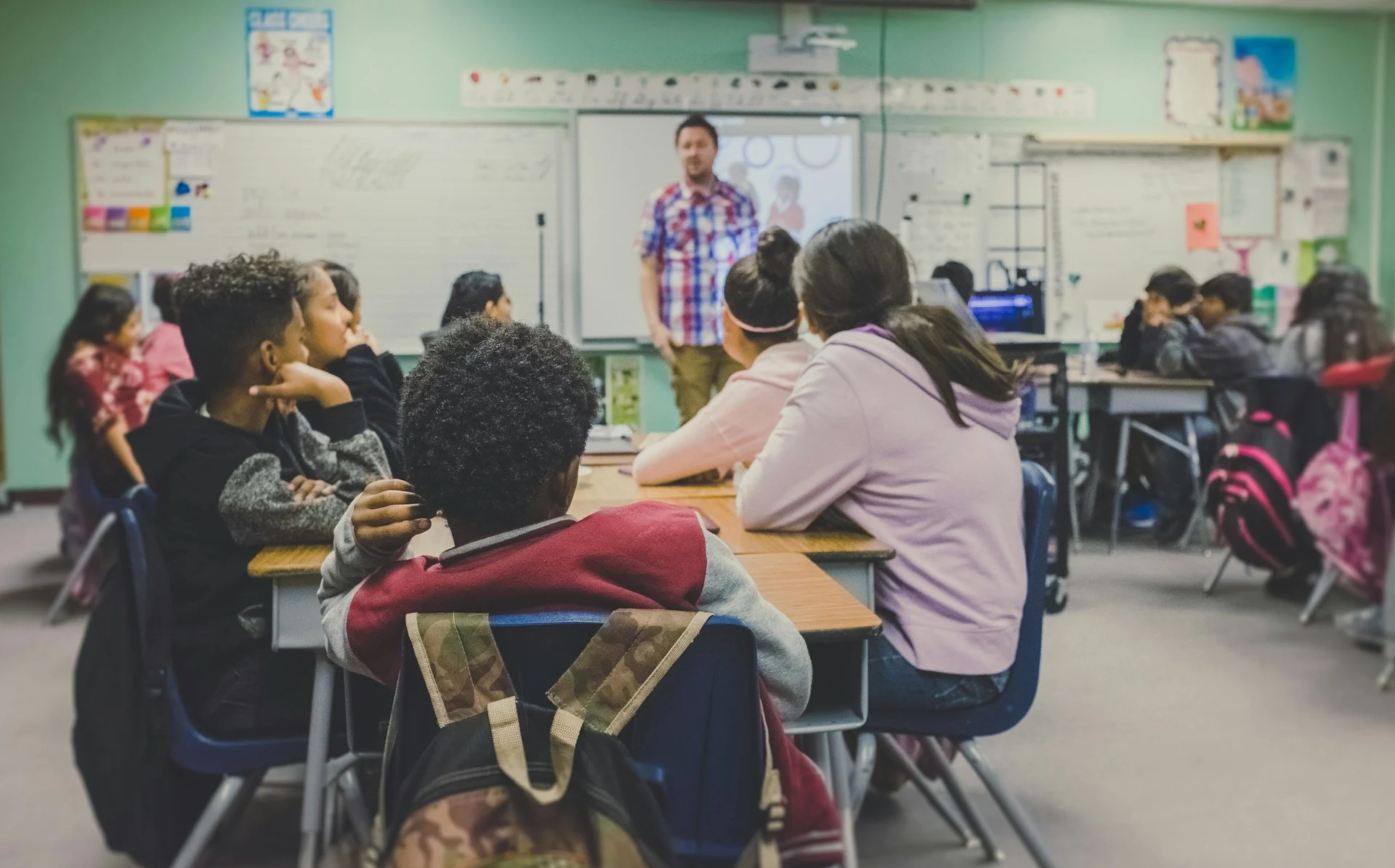
Many students are already using AI, even though schools are not yet ready for it. It’s like pretending that smartphones don’t exist if you don’t believe it. It just doesn’t work. For AI to be used responsibly in schools, teachers need to demonstrate to students how to use these tools safely and ethically.
Students need rules that are easy to understand. Can they use AI to come up with ideas? Can they use it to check their grammar? Can they use it on tests? What is cheating, and what is help? If schools don’t answer these questions clearly, people will get more confused. And when rules aren’t clear, it’s easier to break them.
When schools explain these rules, they should also address originality directly. Many students trust polished AI text too quickly. That can lead to weak decisions during drafting and revision. Teachers can reduce that risk by demonstrating how the review process works before the final submission. One useful step is to run a draft through the QuillBot plagiarism AI checker during a lesson on citation habits, source tracking, and responsible editing. This keeps attention on learning and accountability. It also reminds students that responsible AI use includes carefully reviewing content, understanding where ideas came from, and owning the final version.
Teachers Need to Stay in the Middle
Using AI in education responsibly keeps teachers in charge. This point is important because education is very human. A teacher does more than just give out information. They recognize when a student is confused, help shy students, maintain high classroom energy, and build trust. An algorithm can’t replace that.
AI can help reduce repetitive work. It can help create quiz questions, suggest lesson plans, or track student information, for instance. That can help you save time and reduce stress. But trained teachers should still be the ones who decide what to teach, how to teach, and how to help each student.
Why Human Judgment Is Still Important
AI systems work by looking for patterns, but there are many exceptions in classrooms. One student may appear lazy on paper, but they may be struggling at home. Someone else might have great ideas but not be able to write well in English. A teacher can understand these details because they know the student as a person, not just a number.
That is why using AI responsibly means having people oversee every critical step. Teachers should review AI-generated materials, question results that don’t make sense, and adjust tools to meet their students’ needs. AI can help you fly, but it should never be the pilot.
Using things responsibly is a skill.
It is now a real academic skill to use AI responsibly. Instead of blindly trusting AI-generated content, students should learn to verify facts, compare sources, identify bias, and edit AI-generated content. Also, they should learn that sounding smart doesn’t mean you are smart. AI can quickly make text that looks good, but even polished text can have mistakes, bad logic, or shallow thinking.
This is where knowing how to use technology becomes important. Students must know that AI can “hallucinate,” meaning it can confidently generate false information. That means AI is a lot like a very sure classmate who sometimes makes guesses. You wouldn’t copy your classmate’s answers without checking them first, would you? The same rule should apply here.
You can’t ignore privacy, fairness, and safety.
Responsible AI in education is not just about how students act in class. It’s also about morals. Schools must keep private information about students, such as their names, grades, learning difficulties, behavior reports, and more. There are serious risks if AI tools handle this information carelessly.
That’s why schools need to be careful about what tools they use. They need to know what information is being collected, how it is used, who can access it, and whether it is secure. A free tool may seem like a good deal, but if it gives up student privacy for convenience, it’s not worth it.
Being fair is important too. AI systems can show bias based on the data they were trained on. This can change the grade suggestions, the language feedback, or the behavior predictions. If an AI tool is unfair to certain groups of students, it can exacerbate inequality rather than reduce it. Education should not close doors quietly; it should open them.
That’s why schools that care don’t think AI is neutral just because it looks technical. They review it, question it, and monitor it. They know that technology can make both good and bad choices even better.
Not just a policy, but a culture is needed for responsible AI use.
A school can write a great AI policy and still not use AI well. Why? Because using AI responsibly in school isn’t just about papers. It’s about culture. Learning is shaped by the daily habits, values, and choices we make.
A good AI culture promotes openness, accountability, and curiosity. Teachers are free to explore useful tools, but they also openly discuss the risks. Students can use AI appropriately, but they need to explain how they did it and demonstrate how they thought about it. Instead of fear, school leaders give people training. Parents are told rather than left in the dark.
It takes time to build this kind of culture. But it’s worth the work. AI becomes either a secret shortcut or a forbidden mystery without it. Neither method helps students get ready for life in the real world.
Conclusion
In the end, responsible use of AI in education seems fair. It is not blind; it is thoughtful. It is useful, not scary. It puts people before technology. AI can make school more flexible, more personal, and more useful. But it should never replace the most important parts of learning: making connections with others, working hard, and the slow, powerful process of understanding. AI can improve education when used correctly. If you don’t use it carefully, it can lead to weaker thinking. The machine has no choice. It’s inside us.