When you’re facing an upcoming surgery or managing a chronic illness, most of your mental energy goes toward the medical aspects—finding the right doctors, understanding your treatment options, managing medications. What often gets overlooked is the environment where you’ll actually be doing the bulk of your healing: your home.
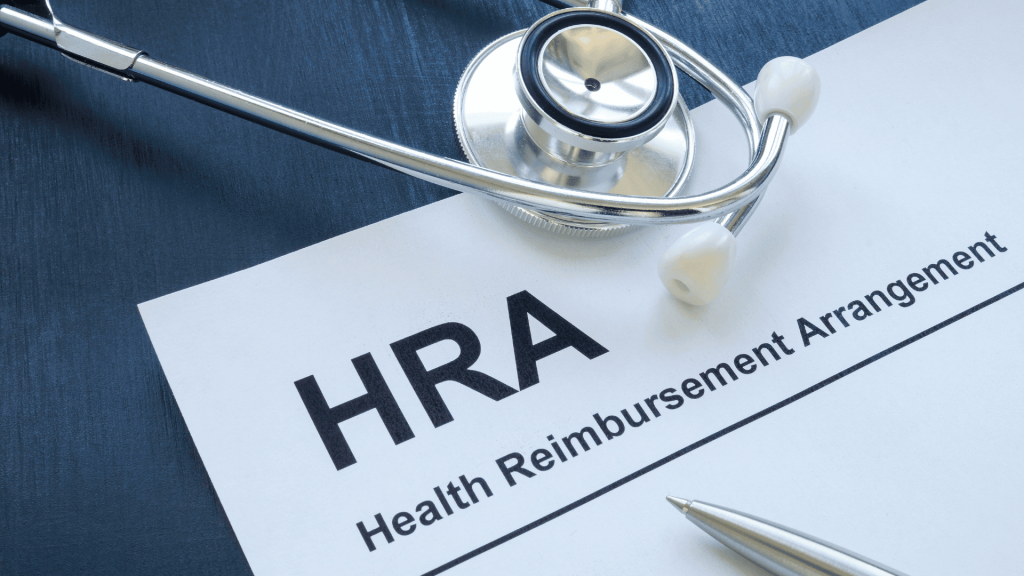
Here’s something many people don’t realize: your Health Reimbursement Arrangement can potentially cover far more than just doctor visits and prescriptions. Depending on your plan’s specifics, you might be able to use HRA funds to make your home safer and more comfortable for recovery. Let’s talk about how to think strategically about this benefit, what’s typically eligible, and how to approach the sometimes-murky rules around home medical expenses.
Understanding What Qualifies
The IRS allows health reimbursement arrangements to reimburse expenses that are “primarily for the prevention or alleviation of a physical or mental defect or illness.” That’s broad language, which is both helpful and frustrating. It means that many home modifications and equipment purchases can qualify—but you’ll often need documentation from your healthcare provider explaining why they’re medically necessary.
This is the crucial distinction: you can’t just decide on your own that a shower bench would be nice to have. But if your doctor writes a letter stating that you need a shower bench for safe bathing after your knee replacement surgery, that same item becomes an eligible medical expense.
The documentation requirement trips people up constantly. They assume that because something is obviously health-related, it’ll automatically be covered. Then they make the purchase, submit the receipt, and get denied. Save yourself that headache by getting the documentation first.
Mobility and Safety Equipment
If you’re recovering from surgery or dealing with mobility limitations from a chronic condition, your home probably wasn’t designed with your current needs in mind. This is where your HRA can be genuinely valuable.
Grab bars for bathrooms are one of the most common and straightforward purchases. If you’re recovering from hip surgery, heart surgery, or dealing with balance issues from neurological conditions, grab bars next to the toilet and in the shower can mean the difference between independence and needing constant assistance. These typically cost $20 to $100 per bar for the equipment itself, plus installation if you’re not handy.
Shower chairs or benches become essential when standing for the duration of a shower isn’t realistic. These range from basic plastic stools around $30 to more sophisticated transfer benches that help you get in and out of the tub, which can run $60 to $150.
Raised toilet seats—particularly important after hip or knee surgery—typically cost $30 to $80. They reduce the distance you need to lower and raise yourself, which can be crucial when you’re dealing with limited range of motion or pain.
Bed rails or assist handles help you get in and out of bed safely when you’re weak, in pain, or dealing with balance issues. Depending on complexity, these run anywhere from $40 to $200.
Ramps for doorways or entry steps can be eligible with proper documentation, though these get more expensive—portable ramps might cost $100 to $500 depending on length, while more permanent installations can run into the thousands.
Medical Equipment for Home Use
Beyond mobility aids, there’s a whole category of medical equipment that your doctor might recommend for home use, and your HRA can potentially cover it.
Blood pressure monitors are essential if you’re managing hypertension or recovering from cardiac procedures. A good quality home monitor costs $30 to $100, and most HRAs will cover these with minimal documentation since they’re clearly medical in nature.
Compression stockings for circulation issues, lymphedema, or post-surgical recovery typically run $20 to $100 per pair depending on the compression level and whether they’re custom-fitted.
Heating pads and ice packs for pain management are usually eligible, though you’ll want to verify your plan’s policy on these since some administrators consider them too general-purpose.
Specialized pillows—wedge pillows for acid reflux, cervical pillows for neck issues, knee pillows for hip or back problems—can qualify with a doctor’s recommendation. These typically cost $30 to $100.
TENS units for pain management, continuous passive motion machines for post-surgical rehabilitation, or nebulizers for respiratory conditions all fall clearly into the eligible category, though they’re more expensive, ranging from $50 for basic TENS units to several hundred dollars for more sophisticated equipment.
The Air Quality Factor
This is one area where eligibility gets complicated, but it’s worth understanding because it can make a real difference if you’re dealing with respiratory issues, allergies, or immune system concerns.
Air purifiers with HEPA filters can be eligible medical expenses if you have a documented respiratory condition—asthma, COPD, severe allergies, or if you’re immunocompromised and your doctor recommends reducing airborne pathogens in your home. But you absolutely need that doctor’s letter stating the medical necessity. Without it, an air purifier is considered a general wellness item and won’t be covered.
The same principle applies to humidifiers or dehumidifiers. If your doctor recommends one to manage a respiratory condition or skin condition, it can potentially be covered. On your own initiative, it’s not eligible.
Kitchen and Daily Living Modifications
When you’re dealing with limited mobility, chronic pain, or reduced strength, everyday tasks like cooking and cleaning become genuinely difficult. Some adaptive equipment for these activities can qualify as medical expenses.
Reaching tools and grabbers help you access items without bending, stretching, or climbing—important if you have back problems, have had abdominal surgery, or deal with chronic pain conditions. These typically cost $15 to $40.
Adaptive kitchen tools—weighted utensils for tremors, easy-grip handles for arthritis, one-handed cutting boards—can be eligible with documentation explaining how your condition makes standard tools difficult to use.
How to Actually Use Your HRA for These Expenses
Here’s the practical process that will save you a lot of frustration:
Start with your doctor. Before you buy anything, have a conversation with your physician about what equipment or modifications would help your recovery or condition management. Ask them to provide a Letter of Medical Necessity that specifies what you need and why.
Check your plan’s rules. HRA plans vary significantly in what they cover and what documentation they require. Some plans have specific lists of eligible items; others are more flexible. Call your HRA administrator and ask specific questions about the items you’re considering.
Keep every receipt and piece of documentation. When you submit claims, include the itemized receipt, your doctor’s letter, and any other documentation that explains why this expense is medically necessary.
Don’t assume denial is final. If a claim gets denied and you believe it should have been covered, appeal. Sometimes denials happen because of missing documentation or administrator error, not because the expense is genuinely ineligible.
Consider timing. If you have a known surgery date, you might want to make these purchases before the procedure so everything is ready when you come home. But verify your plan’s rules about reimbursing expenses made in anticipation of future medical needs.
The Real Value of Preparation
The financial aspect of using your HRA for these expenses is obvious—you’re using pre-tax dollars for things you’d otherwise pay for out of pocket. But there’s also a less tangible benefit: reduced stress during an already stressful time.
When you come home from surgery or you’re in the middle of managing a difficult chronic illness flare, the last thing you want to deal with is realizing your bathroom isn’t safe or you can’t reach the things you need. Having the right equipment already in place means you can focus your energy on healing rather than problem-solving logistical challenges while you’re in pain or weak.
Your HRA is there specifically to help with medical expenses. Recovery equipment and home safety modifications absolutely fall into that category. Don’t leave that money on the table when it could make your recovery safer, more comfortable, and less stressful.

Shikha Negi is a Content Writer at ztudium with expertise in writing and proofreading content. Having created more than 500 articles encompassing a diverse range of educational topics, from breaking news to in-depth analysis and long-form content, Shikha has a deep understanding of emerging trends in business, technology (including AI, blockchain, and the metaverse), and societal shifts, As the author at Sarvgyan News, Shikha has demonstrated expertise in crafting engaging and informative content tailored for various audiences, including students, educators, and professionals.