

The Numbers Don’t Lie – Localization Pays for Itself Tenfold
Global gaming revenue is projected to hit $312 billion by 2027, yet most studios still leave 60–70 % of that money on the table simply because their titles never speak the local language properly. One mid-tier mobile publisher increased lifetime value per user by 340 % in Japan after a single professional localization pass (Sensor Tower Q3 2025). Crazy, right? The same title, same gameplay, just words that actually resonate.
The gap between “translated” and “truly localized” has never been wider – or more profitable.
What Most Studios Still Get Wrong About Going Global
Developers often treat localization as an afterthought: rush a machine translation, hand it to a bilingual friend, ship, and pray. Result? Players in non-English markets bounce 4× faster (App Annie 2025). Cultural references flop, memes fall flat, and entire joke quests become unplayable riddles.
The real difference shows up when studios work with dedicate gaming translation services that understand both the craft of translation and the soul of gaming – teams that turn dialogue into something players quote in Discord servers months after launch.
From Revenue Leak to Revenue Engine – Three Real Cases
- A European battle-royale shooter entered Latin America with generic Spanish. DAU hovered below 8 k. Six months after region-specific variants (Mexico, Argentina, Chile), daily active users jumped 428 % and ARPDAU rose 61 %.
- An indie RPG thought China was “too hard.” Proper Simplified Chinese localization plus WeChat-mini integration later, the game held top-20 grossing for 11 straight weeks – from zero to seven figures.
- A AAA console title invested early in Arabic and Turkish. First-month sales in MENA exceeded the entire lifetime revenue of their previous franchise entry in those regions combined.
These aren’t lucky breaks. They’re predictable outcomes when localization is done right.
Five Core Pillars Smart Studios Never Skip
Cultural Relevance Beats Word-for-Word Every Time
Native players spot inauthenticity instantly. Professional teams rewrite puns, swap religious references, and even tweak color palettes (red = danger in the West, luck in China).
Voice-Over and Audio – Where Budget Actually Moves the Needle
Fully voiced protagonists in Brazilian Portuguese or Korean can lift willingness-to-pay 25–40 % (Newzoo 2025).
Continuous Localization – The Live-Service Superpower
Fortnite and Genshin push updates weekly. Waiting months for a patch kills momentum. Top studios now release localized builds the same day.
In-Game Economy That Feels Local
€9.99 feels premium in Germany, pricey in Poland. Dynamic pricing plus culturally adjusted bundle names lift conversion 15–20 % without discounts.
Compliance Baked In From Day One
China’s NPPA, Brazil’s age-rating quirks, Germany’s USK – one wrong symbol and your game disappears. Expert partners handle it before it becomes a crisis.
The ROI Math Every CFO Now Loves
Average cost of full AAA localization across 12 languages: $400 k–$1.2 M Average additional revenue in year one: $8–25 M
That’s 10–20× ROI, often inside 90 days. Indie and mobile titles see even faster payback.
The New Baseline for Global Growth
By the end of 2025, shipping a game in English-only will feel as outdated as launching without controller support felt in 2015. The pipelines are mature, the talent pools are deeper than ever, and the revenue upside is measured in multiples, not percentages.
Studios that master localization aren’t just reaching new players – they’re building communities that stick around for years and fund the next three titles without a single publisher advance.
The math is settled. The only variable left is how quickly the rest of the industry catches up.
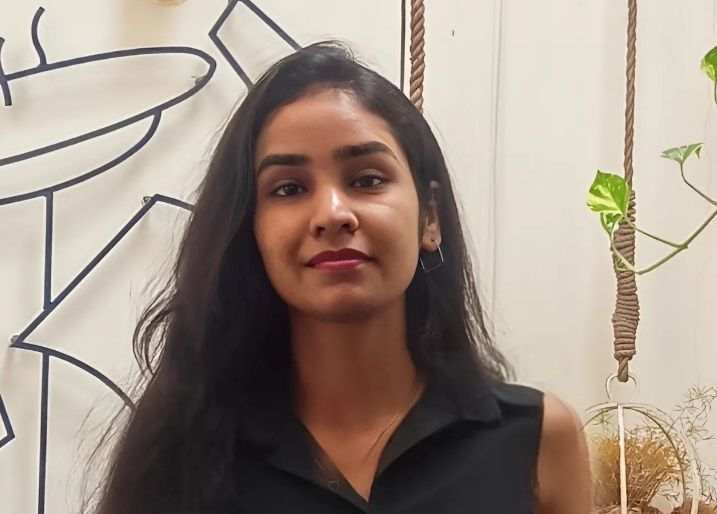
Himani Verma is a seasoned content writer and SEO expert, with experience in digital media. She has held various senior writing positions at enterprises like CloudTDMS (Synthetic Data Factory), Barrownz Group, and ATZA. Himani has also been Editorial Writer at Hindustan Time, a leading Indian English language news platform. She excels in content creation, proofreading, and editing, ensuring that every piece is polished and impactful. Her expertise in crafting SEO-friendly content for multiple verticals of businesses, including technology, healthcare, finance, sports, innovation, and more.