Modern diversity training is a strategic powerhouse, not a boring compliance seminar. Here we break down the 5 transformative program types that build inclusive, high-performing cultures and drive real ROI. Is your company using them?
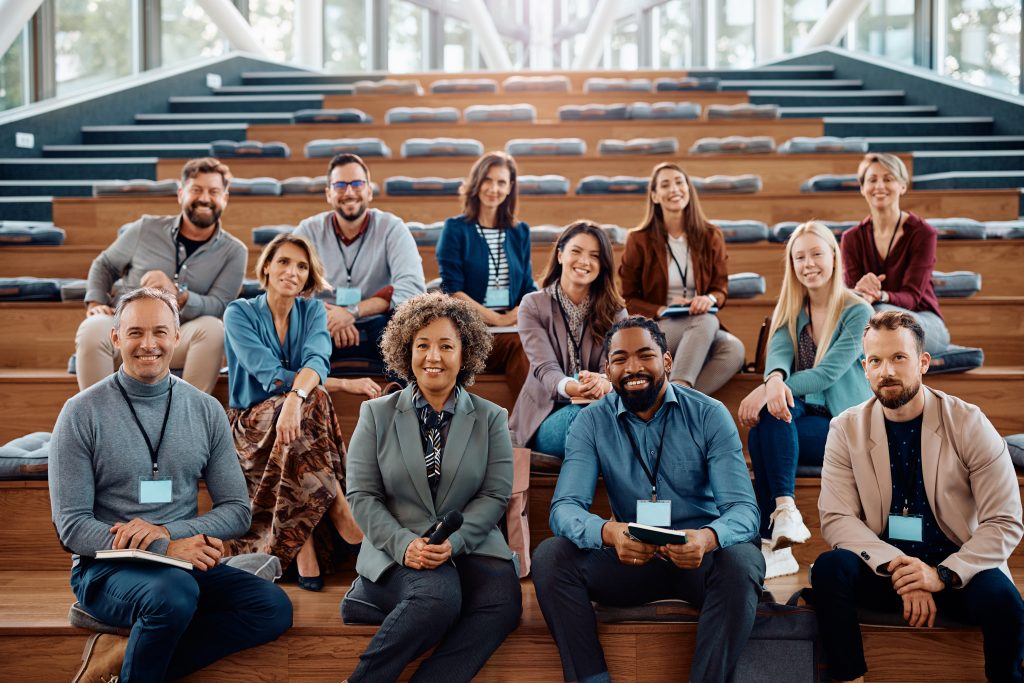
The phrase “diversity training” can sometimes conjure up images of a stuffy, mandatory seminar where everyone feels a bit… uncomfortable. But what if we told you that modern diversity training has evolved into something far more dynamic, practical, and genuinely beneficial?
Gone are the days of one-size-fits-all lectures. Today’s programmes are nuanced, targeted, and designed to create real, lasting change. They’re less about telling people what they’re doing wrong and more about equipping them with the skills to get things right.
So, let’s break down the key types of diversity training you’ll find in forward-thinking workplaces and how they actually work.
5 types of diversity training programs
1. Awareness-based training
What it is: Think of this as Diversity & Inclusion 101. It’s the foundational course designed to build a baseline understanding of what diversity, equity, and inclusion really mean. It goes beyond the basics of race and gender to explore the full spectrum of diversity, including neurodiversity, socioeconomic background, and cognitive styles.
How it works: This training often involves facilitated discussions, reflective exercises, and scenario-based learning. The goal isn’t to shame or blame but to open eyes. It helps employees and leaders recognise their own unconscious biases, those hidden shortcuts our brains use that can lead to snap judgements. By bringing these subconscious thoughts into the light, awareness training creates a shared language and a common starting point for everyone’s DEI journey.
2. Skills-based diversity training
What it is: Awareness is brilliant, but it’s useless without action. Skills-based training is the logical next step. It focuses on the ‘how’—giving people the practical tools they need to communicate and collaborate effectively in a diverse team.
How it works: This is hands-on and interactive. Participants might role-play how to give constructive feedback to someone from a different cultural background, or practise techniques for ensuring everyone’s voice is heard in a meeting. It’s about building tangible skills like active listening, inclusive language, and mitigating bias in real-time decision-making, especially in hybrid work environments. This type of training turns theory into daily habit.
3. Inclusive leadership training
What it is: This programme is specifically tailored for managers, team leaders, and executives. It recognises that leaders set the tone for the entire team’s culture. An inclusive leader doesn’t just manage work; they nurture talent, foster belonging, and actively create equity of opportunity.
How it works: This training dives deep into the specific behaviours of an inclusive leader. Participants learn how to:
- Build diverse talent pipelines by mitigating bias in hiring and promotions.
- Sponsor and champion underrepresented talent.
- Create psychological safety so team members feel safe to take risks, share ideas, and be their authentic selves without fear of embarrassment.
- Handle sensitive DEI-related conflicts with empathy and fairness.
4. Cultural competency training
What it is: In our globalised world, we often work with colleagues, clients, and customers from a vast array of cultural backgrounds. Cultural competency training provides the knowledge and sensitivity to navigate these interactions respectfully and effectively.
How it works: This training is often more specific and knowledge-focused. It might explore communication styles (direct vs. indirect), concepts of time, religious holidays, or business etiquette in different cultures. The aim is to avoid misunderstandings and foster deeper, more respectful connections. It’s not about memorising stereotypes, but about developing a curious and adaptable mindset that seeks to understand and appreciate difference.
5. Cultural competency training
What it is: In our globalised world, we often work with colleagues, clients, and customers from a vast array of cultural backgrounds. Cultural competency training provides the knowledge and sensitivity to navigate these interactions respectfully and effectively.
How it works: This training is often more specific and knowledge-focused. It might explore communication styles (direct vs. indirect), concepts of time, religious holidays, or business etiquette. The aim is to avoid misunderstandings and foster deeper, more respectful connections. It’s not about memorising stereotypes, but about developing a curious and adaptable mindset that seeks to understand and appreciate difference.
Blending it all together for success
The most effective workplaces don’t just pick one. They create a blended learning journey. You might start with Unconscious Bias and Awareness-Based Training to build a common foundation, then roll out Skills-Based modules to all staff while simultaneously launching Inclusive Leadership Training for managers, all supported by Cultural Competency for teams working internationally.
The key is to move beyond a simple “tick-box” exercise. The goal is to weave these principles into the very fabric of your organisation’s culture, creating a place where everyone feels they truly belong and can do their best work. And that’s a goal worth training for.
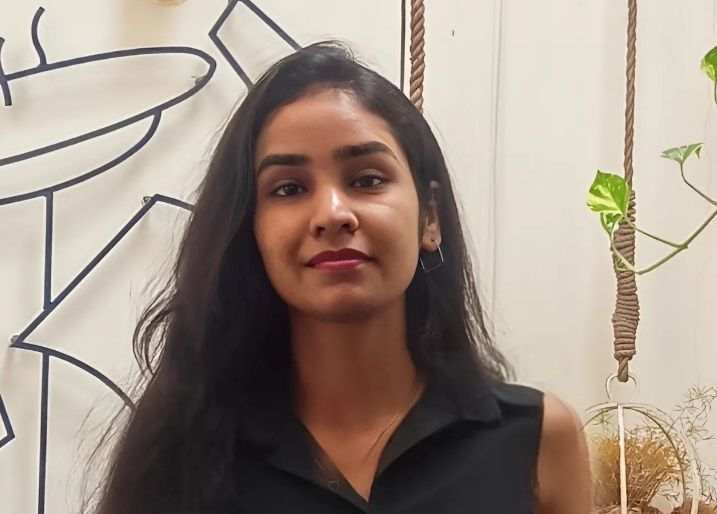
Himani Verma is a seasoned content writer and SEO expert, with experience in digital media. She has held various senior writing positions at enterprises like CloudTDMS (Synthetic Data Factory), Barrownz Group, and ATZA. Himani has also been Editorial Writer at Hindustan Time, a leading Indian English language news platform. She excels in content creation, proofreading, and editing, ensuring that every piece is polished and impactful. Her expertise in crafting SEO-friendly content for multiple verticals of businesses, including technology, healthcare, finance, sports, innovation, and more.