
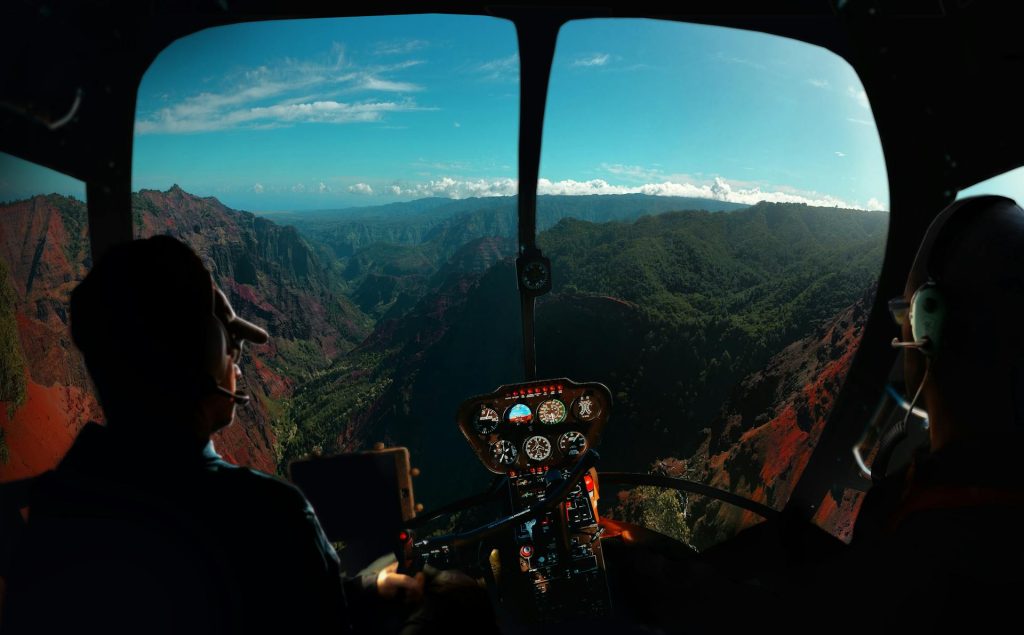
Taking to the skies in a helicopter is an experience. Whether driven by a career goal or personal ambition, obtaining a helicopter license involves a structured process. Knowing the complete schedule offers a realistic view of the unfolding process, allowing you to mentally and practically prepare for each phase.
how long does it take to get a helicopter license

Understanding the Basics
Before you understand how long does it take to get a helicopter license, it is essential to consider the different types of helicopter licenses. These include the Private Pilot License (PPL), Commercial Pilot License (CPL), and additional certifications such as an Instrument Rating (IR). Every license has a specific job, so some may require more training and effort than others.
Private Pilot License (PPL)
The journey typically begins with a Private Pilot License. After obtaining the PPL, you can now pilot a helicopter. However, to earn a PPL, a candidate must complete a minimum of 40 to 50 flight hours. These hours include dual instruction with a certified instructor and solo flight time.
Here, it is prudent to learn to guide a plane, predict the skies, and know every rule of flying. That’s what the academy prepares you for; the time spent on ground school can vary, but generally requires several weeks of study.
Commercial Pilot License (CPL)
A commercial pilot license is necessary for those aiming to fly helicopters commercially. Achieving proficiency will demand a prolonged instructional phase. Aspiring aviators accumulate fewer than 150 flight hours, incorporating proficiency in complex aerial operations and precise directional control.
Ground training for a CPL is more comprehensive, focusing on flight planning and advanced aerodynamics. This phase of training usually takes a few months to complete.
Instrument Rating (IR)
Pilots who wish to fly in reduced visibility conditions often pursue an instrument rating. You’ll need more flight hours, all about flying by instruments, for this certificate. Typically, this involves 40 hours of instrument training.
Moreover, pilots must have theoretical knowledge. This refers to weather patterns and understanding the instrument flying steps. This additional training can add several weeks to the timeline.
Factors Influencing the Timeline
Several factors can influence the time it takes to obtain a helicopter license. When the skies get challenging, your flight training can come in handy. Regular practice accelerates learning, while infrequent lessons can prolong the process.
You also have to think about how many instructors and aircraft are ready. Busy flight schools may have limited resources, causing scheduling challenges. Picking a school with sound gear and an experienced team of instructors means your training never stops.
Financial Considerations
The cost of obtaining a helicopter license can be substantial. Earning your pilot’s wings requires a significant commitment, both in hours spent and dollars paid. Aspiring pilots should budget for the training and any additional expenses, such as study materials and examination fees.
Financing options are often available and can help distribute the financial burden over time. Anyone planning to fly must directly investigate scholarships, loans, and payment plans from flight schools.
Choosing the Right Flight School
Selecting the appropriate flight school is a critical decision. Before you choose, look at the school’s standing, the instructors’ experience, and the number of training helicopters ready for students. If you visit schools and talk to students, you’ll discover firsthand what the training atmosphere feels like.
The location of the school can affect your decision. Schools in regions with favorable weather conditions can offer more consistent training schedules, reducing delays due to weather-related issues.
Commitment and Dedication
Obtaining a helicopter license requires dedication and commitment. Pilots must be prepared to invest time in both practical and theoretical training. Keep your energy high from beginning to end; that’s how you gain experience.
Clearly defining objectives and monitoring one’s advancement reliably sustains concentration. Teachers giving regular check-ins and pointers really help you improve and feel encouraged.
Conclusion
The experience of earning your helicopter license is unmatched. That accomplishment doesn’t just feel great; it brings many opportunities your way. Pilots who understand the schedule and requirements can plan smarter and feel confident about their lessons. Becoming a licensed helicopter pilot requires absolute dedication. With reasonable help, that journey becomes deeply satisfying.











