The furniture industry has shifted noticeably in the past decade as homeowners seek adaptable pieces that reflect evolving lifestyles. Remote work, urban living, and multifunctional spaces have all increased demand for furniture that balances durability, comfort, and flexibility. Within this environment, modular seating systems have emerged as one of the fastest-growing categories in home design.
Industry data shows that the broader modular furniture category continues to expand as consumers prioritize flexible interiors. The global furniture market continues to grow steadily as households seek products that combine design, durability, and functionality (Grand View Research, 2023). Modular sofas appeal especially to homeowners and apartment dwellers who want seating that adapts to changing room layouts or social needs.
Among brands operating in this segment, Soulfa has built a reputation around its modular sectional couches, particularly its six-cube configuration designed for adaptable living spaces. Founded in 2015, the company positions itself within the high-end furniture category while emphasizing longevity, non-toxic materials, and limited production. Founder Vitória states that the company prioritizes “quality over scale,” a strategy that contrasts with mass-produced furniture.
Modular Seating Reflects Changing Home Design Patterns
Interior designers increasingly identify modular furniture as a response to evolving home layouts. Open floor plans, hybrid work environments, and smaller urban apartments require furniture that adapts to multiple uses.
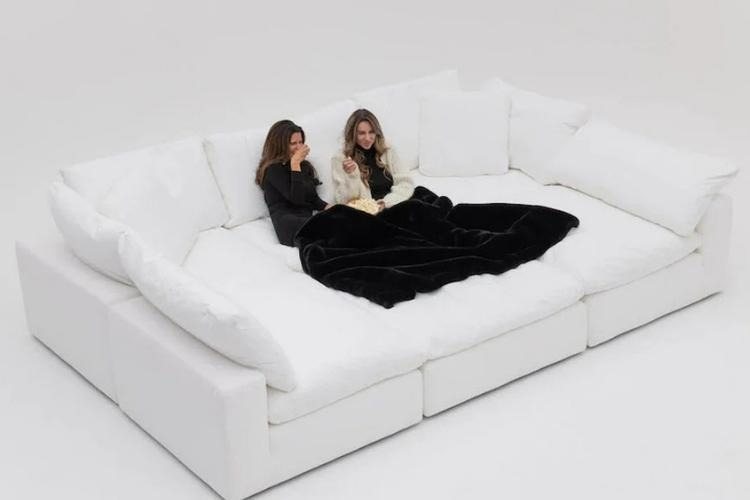
Soulfa’s six-cube modular design represents one response to this trend. The company produces a limited number of sofas each year and focuses on a small range of configurations rather than a broad catalog. The brand operates through a direct-to-consumer model and previously generated several million dollars in annual revenue, but adjusted production to approximately $800,000 annually as it refined its boutique manufacturing approach.
This design aligns with broader industry discussions about adaptable interiors. According to the American Society of Interior Designers (2022), homes now serve multiple purposes, with living rooms often functioning as workspaces, entertainment areas, and gathering spaces.
Within this context, modular seating offers a practical solution. Readers exploring modular seating trends often encounter products such as the conversation pit couch, a six-cube sectional designed to foster social seating and encourage conversation and communal interaction.
The modular structure also allows homeowners to adjust seating arrangements without replacing furniture. Designers frequently highlight this adaptability as valuable for apartment dwellers or renters who frequently modify room layouts.
Materials and Construction Emphasize Longevity
Durability remains a central concern for furniture buyers. The Environmental Protection Agency reports that Americans discard roughly 12 million tons of furniture each year, much of it constructed from inexpensive materials with short lifespans.
Soulfa addresses this issue through long-term durability and construction methods designed to extend product life. The company builds each sofa as a single solid structure using kiln-dried oak hardwood combined with high-density foam. This construction removes the need for user assembly and reduces structural weaknesses often associated with flat-pack furniture.
Soulfa also provides a 20-year warranty, which exceeds coverage offered by many furniture manufacturers. Furniture industry analyst Jennifer Stein notes that extended warranties often reflect a manufacturer’s confidence in the durability of its construction methods.
“Long warranty periods typically indicate that manufacturers expect their products to perform reliably over extended periods,” Stein explains in commentary on furniture durability trends (Stein, 2021).
The company manufactures its sofas in the United States using ethically sourced materials. Limited production allows the brand to focus on craftsmanship and quality control rather than high-volume manufacturing.
Performance Fabrics and Non-Toxic Materials
Consumers increasingly scrutinize the materials used in household products, particularly as awareness of chemicals commonly used in upholstery treatments grows. Flame retardants, formaldehyde, and stain-resistant coatings have drawn scrutiny in recent years.
Soulfa reports that its upholstery materials are free of lead, flame retardants, formaldehyde, and other potentially harmful treatments. The company describes its fabrics as hypoallergenic and designed to avoid off-gassing, a process in which chemicals gradually release into indoor air.
This focus reflects a broader shift toward healthier indoor environments. Research conducted by the Environmental Working Group (2020) on indoor air quality suggests that certain furniture materials can contribute to chemical exposure in homes.
In addition to safety considerations, the company designed its performance fabric to address practical household concerns such as spills and long-term wear. The textile aims to combine softness with stain resistance, helping prevent liquids from penetrating the fabric surface.
Washable Covers and Interchangeable Design
Furniture maintenance significantly influences how long a sofa remains usable. Stains, wear, and shifting interior styles often lead homeowners to replace couches earlier than expected.
Soulfa designed its modular system with removable covers that users can machine wash. The interchangeable design allows owners to refresh the sofa’s appearance or replace covers without discarding the entire piece of furniture.
Interior design consultant Michael Torres notes that removable upholstery has become more common in modular furniture categories. “Consumers increasingly want furniture that adapts visually as well as structurally,” Torres explains. “Removable covers extend product lifespan while allowing design flexibility” (Torres, 2022).
The company also offers vegan leather upholstery options. Although these covers can’t be removed, you can clean them using standard upholstery maintenance methods.
Memory Foam Seating and Comfort Engineering
Comfort remains one of the most influential factors affecting sofa purchases. Within the cloud-style couch category, manufacturers often experiment with different cushion materials to balance softness and support.
Soulfa incorporates 1.5-inch high-density memory foam inserts within the seat cushions of its modular sectional sofas. According to the company, the inserts help maintain cushion structure while preserving the plush feel associated with cloud-style seating.
Memory foam technology distributes body weight evenly and reduces pressure points, which explains its widespread use in mattress manufacturing. Furniture designers have increasingly adapted similar materials for seating systems.
Research published in the Journal of Interior Design indicates that layered foam systems combining different densities can improve seating comfort and durability compared with single-density cushions (Park & Lee, 2021).
A Boutique Approach to Furniture Production
Soulfa operates as a boutique manufacturer rather than a mass-market furniture producer. Founder Vitória has likened the company’s strategy to that of luxury automotive brands that prioritize craftsmanship over large-scale production.
This approach allows the brand to maintain oversight of materials, construction methods, and design details. Limited production also aligns with growing consumer interest in products designed for longevity rather than rapid replacement.
Outlook for Modular Furniture
Modular seating systems will likely continue gaining popularity as homes evolve into multifunctional environments. Hybrid work patterns, urban density, and flexible interior layouts have increased demand for adaptable furniture solutions.
Soulfa’s six-cube sectional illustrates how modular seating can address these changes through flexible configurations, durable materials, and customizable components.
As homeowners increasingly treat furniture as a long-term investment rather than a disposable purchase, manufacturers that prioritize durability, adaptability, and material safety will play a larger role in shaping future interior design trends.
References
- American Society of Interior Designers. (2022). 2022 trends outlook report.
- Environmental Working Group. (2020). Indoor air quality and household chemicals.
- Grand View Research. (2023). Furniture market size, share & trends analysis report.
- Park, J., & Lee, S. (2021). Cushion construction and ergonomic performance in upholstered seating. Journal of Interior Design, 46(3), 45–59.
- Stein, J. (2021). Warranty trends and durability expectations in the furniture industry. Furniture Today.
- Torres, M. (2022). Modular upholstery and adaptable furniture design. Interior Design Journal.
- U.S. Environmental Protection Agency. (2022). Advancing sustainable materials management: Facts and figures.

Pallavi Singal is the Vice President of Content at ztudium, where she leads innovative content strategies and oversees the development of high-impact editorial initiatives. With a strong background in digital media and a passion for storytelling, Pallavi plays a pivotal role in scaling the content operations for ztudium’s platforms, including Businessabc, Citiesabc, and IntelligentHQ, Wisdomia.ai, MStores, and many others. Her expertise spans content creation, SEO, and digital marketing, driving engagement and growth across multiple channels. Pallavi’s work is characterised by a keen insight into emerging trends in business, technologies like AI, blockchain, metaverse and others, and society, making her a trusted voice in the industry.