
Technology has totally changed how we live. It’s everywhere, from how we talk to each other to how we get things done. This essay looks at the impact of technology on society, covering how it connects us, makes things easier, and also the tricky parts that come with it. We’ll touch on how it’s changing schools and even how we think. It’s a big topic, and understanding it helps us see where we’re headed.
Key Takeaways
- Digital tools have made communication faster and connected people globally.
- Daily tasks are simpler and quicker thanks to technology.
- There are downsides to relying too much on tech, like losing skills.
- Education uses tech for better learning and wider access to information.
- Technology affects how we interact with each other and our thinking.
Technology’s Transformative Role in Communication
Bridging Distances with Digital Connectivity
It’s pretty wild to think about how we used to communicate not that long ago. Letters took days, even weeks, to arrive. Now, with a few taps on a screen, we can send messages, photos, and even video calls to someone on the other side of the planet. This instant connection has really shrunk the world, making it easier to keep in touch with family and friends who live far away. It also means businesses can work with people all over the globe without much hassle.
The Rise of Social Media and Global Interaction
Social media platforms have completely changed how we share our lives and connect with others. We can follow news as it happens, share our thoughts, and join communities based on shared interests, no matter where we are. This has opened up new ways for people to interact and learn from different cultures. It’s like having a global town square right in our pockets.
Instantaneous Information Exchange
Beyond personal chats, technology allows for the rapid spread of information. News, research, and ideas can be shared and accessed almost immediately. This speed is incredible for staying informed and for collaborative projects. However, it also means we need to be careful about the information we consume and share.
The ability to communicate instantly across vast distances has fundamentally altered our social structures and expectations for connection.
Impact on Daily Life and Efficiency
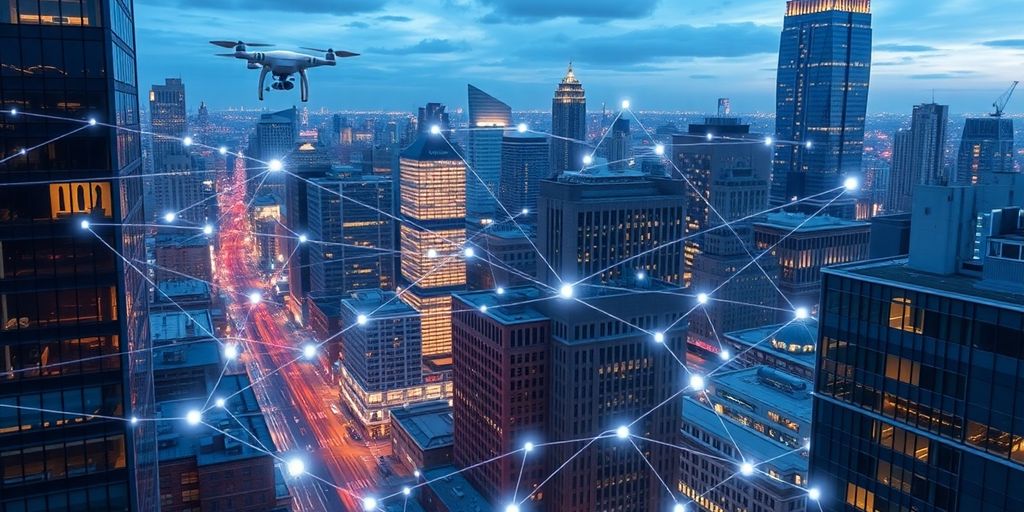
Technology has fundamentally reshaped how we go about our day-to-day lives, making many tasks simpler and quicker. Think about how we access information or manage our schedules; it’s all so different now.
Simplifying Access to Essential Tools
Gone are the days of needing a physical map for every trip or a separate calculator for every math problem. Today, a single smartphone puts a world of tools at our fingertips. From banking and shopping to navigation and research, what once required multiple devices or even physical trips can now be done with a few taps on a screen. This accessibility means we can manage more aspects of our lives from virtually anywhere.
Accelerating Project Completion
In both personal and professional settings, technology has sped up how we get things done. Collaboration tools allow teams to work together on documents in real-time, regardless of their location. Project management software helps organize tasks and deadlines, keeping everyone on track. Even simple things like digital note-taking or cloud storage mean less time spent searching for physical papers and more time focused on the actual work.
Enhancing Convenience in Everyday Tasks
Many routine activities have become remarkably convenient thanks to technology. Online grocery shopping, for instance, saves a trip to the store. Smart home devices can control lighting, temperature, and security with voice commands or a mobile app. Even entertainment is more accessible, with streaming services offering vast libraries of movies and music on demand.
The integration of technology into daily routines has created a new standard for what is considered efficient. What might have taken hours in the past can now be accomplished in minutes, freeing up time for other pursuits.
Here’s a look at how some common tasks have been streamlined:
- Communication: Sending an email or instant message instead of a letter.
- Information Gathering: Quick online searches versus visiting a library.
- Bill Payment: Online portals or auto-pay systems versus mailing checks.
- Travel Planning: Booking flights and hotels online versus using a travel agent.
The Double-Edged Sword of Technological Advancement
Potential Drawbacks of Over-Reliance
While technology offers incredible convenience, leaning on it too heavily can create its own set of problems. Think about relying solely on GPS; if the signal drops, you might find yourself completely lost. This dependence can also make us less patient when things don’t work instantly. We expect immediate answers and solutions, which can be frustrating when dealing with real-world situations that require time and effort.
Unintended Consequences of Innovation
Sometimes, new tech brings unexpected issues. For instance, social media, designed to connect us, can also lead to feelings of isolation or comparison. Automation, while boosting efficiency, raises concerns about job security for many workers. Even simple things, like the constant availability of information, can make it harder to focus or remember details because we know we can just look them up again.
Balancing Progress with Potential Risks
It’s clear that technology isn’t all good or all bad. It’s a tool, and how we use it matters. We need to be mindful of its downsides.
- Privacy Concerns: Our digital footprints are vast, and protecting personal data is a growing challenge.
- Digital Divide: Not everyone has equal access to technology, which can widen existing social gaps.
- Environmental Impact: The production and disposal of electronics, plus the energy needed for data centers, have significant environmental costs.
We must approach new technologies with a thoughtful mindset, considering not just the immediate benefits but also the long-term effects on individuals and society as a whole. Finding a middle ground is key.
Shaping Modern Education and Learning
Digital Tools for Instruction
Technology has really changed how we teach and learn. Think about it – instead of just textbooks, students now have access to all sorts of digital tools. Interactive whiteboards, educational apps, and online simulations can make lessons way more engaging. These tools can help explain complex ideas in ways that were just not possible before. For instance, science classes can use virtual labs to conduct experiments safely, and history lessons can come alive with virtual tours of ancient sites. It’s a big shift from the old days.
Facilitating Online Learning Environments
Online learning platforms have opened up education to so many more people. You don’t have to be in a specific city or even a specific country to take a course anymore. This means students can learn from anywhere, fitting education around their lives. Mobile learning applications, for example, provide anytime, anywhere access to educational content, fostering greater control over their learning journey and enhancing engagement. This flexibility is a game-changer for lifelong learning and professional development. It’s pretty amazing how far we’ve come in making education accessible.
Expanding Access to Diverse Viewpoints
Beyond just access to courses, technology also gives us access to a wider range of ideas and perspectives. Online forums, collaborative projects, and digital libraries mean students aren’t limited to just one textbook or one teacher’s opinion. They can connect with peers and experts from different backgrounds and cultures, which really broadens their understanding of the world. It’s like having a global classroom right at your fingertips. This exposure to different viewpoints is incredibly important for developing critical thinking skills and a more well-rounded view of any subject.
Societal Shifts and Human Interaction

Concerns Over Declining Social Skills
Technology has undeniably changed how we connect, often leading to a noticeable shift in our interpersonal interactions. While digital platforms offer convenience, there’s a growing concern that constant online engagement might be impacting our ability to communicate effectively face-to-face. The nuances of body language, tone, and immediate feedback, so vital in building strong relationships, can be lost in text-based or asynchronous communication. This reliance on digital interfaces might mean we’re spending less time practicing and refining these crucial in-person social skills.
The Influence on Family Dynamics
Family life has also seen significant alterations due to technology. Devices can become central points of attention, sometimes pulling family members away from shared activities or conversations. Imagine a family dinner where everyone is engrossed in their phones; the opportunity for connection and shared experience is diminished. While technology can also facilitate family connections across distances, its presence within the home requires mindful management to ensure it supports, rather than detracts from, family bonding.
Fostering Distraction in Society
Our modern world is characterized by a constant stream of notifications, updates, and digital stimuli. This environment can make sustained focus a challenge. The ease with which we can switch between tasks or consume bite-sized pieces of information might be conditioning our brains to expect constant novelty, making it harder to concentrate on single tasks for extended periods. This pervasive distraction can affect productivity, learning, and even our ability to be fully present in our immediate surroundings.
- Reduced attention spans: The rapid-fire nature of digital content can make it difficult to engage with longer, more complex information.
- Constant interruptions: Notifications from various apps can break concentration, requiring mental effort to refocus.
- Multitasking overload: While seeming efficient, constantly switching between digital tasks can lead to decreased quality of work and increased errors.
The way we interact with each other and the world around us is being reshaped by the tools we use daily. It’s a complex evolution, and understanding these shifts is key to navigating our increasingly digital lives.
Technological Influence on Mental Capacities
Deterioration of Critical Thinking
It’s becoming more common to see people rely on technology for answers rather than thinking through problems themselves. When we have search engines and AI readily available, the urge to look up information instead of trying to recall it or work it out can be strong. This constant external "memory" might mean our own ability to think deeply and critically doesn’t get as much of a workout. It’s like a muscle that doesn’t get used – it can get weaker over time.
The Impact on Problem-Solving Abilities
Many of us are used to technology providing quick fixes or step-by-step guides for tasks. While this is convenient, it can sometimes bypass the process of figuring things out independently. When faced with a new or complex problem without immediate digital assistance, some individuals might find it harder to approach the situation systematically. The reliance on pre-packaged solutions can limit our practice in developing our own strategies and creative approaches to challenges.
Navigating a World of Constant Information
We live in an age where information is everywhere, all the time. Smartphones, social media, and news alerts mean our brains are constantly processing new data. This can make it tough to focus on one thing for a long period or to really absorb information deeply. It’s easy to get distracted by the next notification or update, which can affect our ability to concentrate and retain what we’re learning.
The ease with which we can access information has changed how we learn and remember. Instead of memorizing facts, we’ve become adept at finding them. This shift might be altering how our brains store and retrieve knowledge, favoring quick access over deep retention.
Here’s a look at how this plays out:
- Reduced attention spans: Constant switching between tasks and information sources can shorten how long we can focus on a single activity.
- Information overload: The sheer volume of data can make it difficult to discern what’s important or accurate.
- Passive consumption: We often consume information passively, clicking through articles or watching short videos, rather than actively engaging with the material.
Looking Ahead
So, as we wrap up, it’s clear technology isn’t just a tool; it’s woven into the very fabric of how we live, work, and connect. It’s brought us amazing conveniences and opened up new ways to learn and share. But, like anything powerful, it comes with its own set of challenges we need to pay attention to. Thinking about how we use these tools, and making sure they help us grow as individuals and as a community, is the next big step. It’s about finding that sweet spot where technology makes our lives better without taking away from what makes us human.
Frequently Asked Questions
How has technology changed the way we communicate?
Technology has made it much easier to talk to people far away. Things like phones and the internet let us send messages and see each other instantly, connecting us across great distances and making the world feel smaller.
Does technology make our daily lives easier?
Yes, technology often simplifies tasks. From accessing information quickly to using smart devices that help with chores, many tools are now at our fingertips, saving time and making everyday activities more convenient.
Are there any downsides to using too much technology?
Relying too much on technology can sometimes lead to problems. It might affect our ability to think deeply, solve problems without help, or even weaken our face-to-face social skills. It’s important to find a good balance.
How does technology affect learning and school?
Technology offers new ways to learn. Students can use computers for lessons, explore online resources, and access different ideas from around the world, which can make education more engaging and accessible.
What impact does technology have on how people interact with each other?
While technology connects us globally, it can also change how we interact in person. Some worry that it might reduce real-world conversations and change family routines, as people might be more focused on their devices.
Can technology affect how we think and solve problems?
There’s a concern that constant access to information and automated solutions might make it harder for us to develop strong critical thinking and problem-solving skills on our own. It’s a challenge to use technology as a tool without letting it do all the thinking for us.

Peyman Khosravani is a seasoned expert in blockchain, digital transformation, and emerging technologies, with a strong focus on innovation in finance, business, and marketing. With a robust background in blockchain and decentralized finance (DeFi), Peyman has successfully guided global organizations in refining digital strategies and optimizing data-driven decision-making. His work emphasizes leveraging technology for societal impact, focusing on fairness, justice, and transparency. A passionate advocate for the transformative power of digital tools, Peyman’s expertise spans across helping startups and established businesses navigate digital landscapes, drive growth, and stay ahead of industry trends. His insights into analytics and communication empower companies to effectively connect with customers and harness data to fuel their success in an ever-evolving digital world.