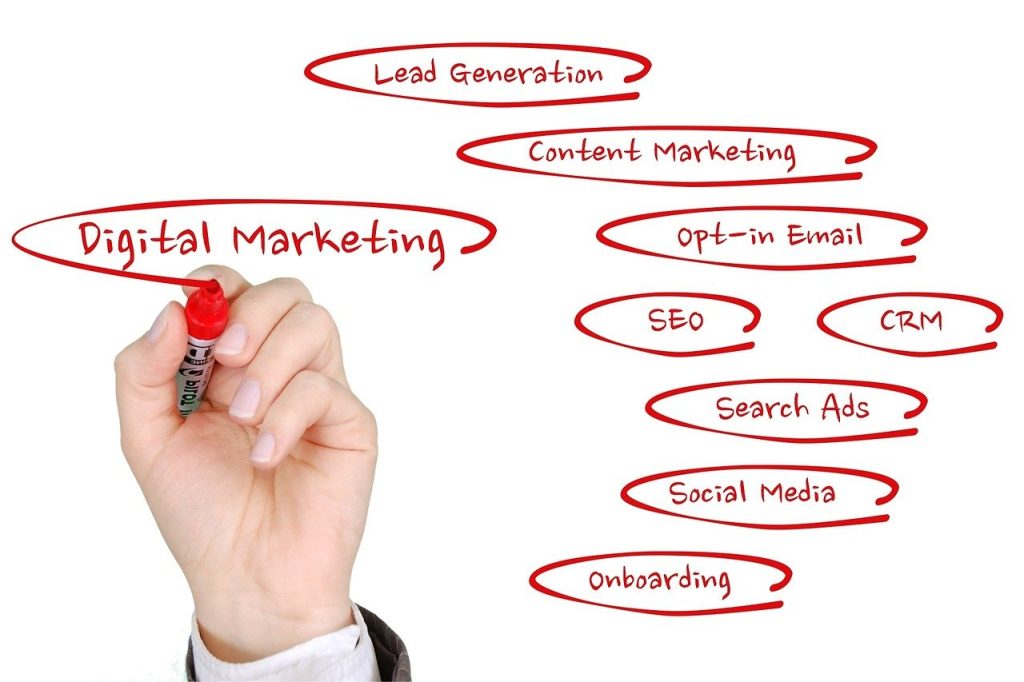
Every business in the world of B2B needs leads to be generated, and not at a slow rate.
The sales pipeline is a lifeline, and no one can afford for it to run dry, simply because everyone in business needs a steady stream of leads to reach their targets.
B2B buyers have generally become more informed than ever before, but most companies or businesses are still stuck with outdated ways of generating leads.
Relying on old ways can be very harmful, because what worked great in 2020 might now suggest to buyers that you are behind the times.
For that reason, it is of great importance to discuss common mistakes that are made that are hampering lead generation in 2025 and what you can do to become a top competitor, stay in the loop, and prevent your company from missing golden opportunities.
1. Targeting the Wrong Audience
When using your time to generate business from leads, it’s important to make sure you are not wasting time by chasing unqualified leads, but rather targeting good-quality leads.
The wrong approach also leads to wasting manpower and your budget.
With the result that you’ll burn through resources chasing contacts who were never a fit to begin with.
Your sales team will get frustrated, and your ROI will suffer.
The best solution is to create an ICP, or Ideal Customer Profile.
Know who would be using your product and services and who your audience is, and build your strategy on this knowledge.
One of the ways to focus on specific industries, job titles, company sizes, and technologies is through using advanced filters on platforms like LinkedIn.
A LinkedIn outreach agency can change your world.
With these agencies that help businesses target the decision-makers, your efforts would result in conversations with the right people, which translates to good business.
2. Over-Reliance on Automation
When relying too much on automation tools, templates, and generic messaging, it is definitely a mistake.
There is nothing wrong with automation, unless it is used too much, which can come across as spam, robotic, and a cold way of communicating.
And today’s buyers are in the know and can spot those from a mile away.
The result of this would be unopened emails that end up in spam folders, low reply rates, and a damaged brand reputation.
However, if you balance the use of technology and automation tools with human touch and personalization, it’s a solution, and you’ll be a winner.
Always use the recipient’s personal name, other details, and points that would spark interest.
These small changes can have a great impact on the rate of response.
SDR services (Sales Development Representatives) that are experienced combine the best of both worlds: efficiency through automation and authenticity through human-driven messaging.
This is probably the best way to break into the market with meaning.
3. Ignoring the Importance of Personalization
To think for a moment that B2B buyers will respond to generic messages with no context, etc., is a mistake.
More is needed to activate or reactivate B2B buyers.
If your email or LinkedIn message could be sent to anyone, it doesn’t mean it would resonate with anyone.
It usually results in your email being blocked, deleted, or just completely ignored.
Is there something you can do about it?
All your messages have to be personalized; for example, discuss a specific connection or a challenge that they and your industry have to face.
The information should match your B2B prospective clients’ needs and not be centered around your requirements.
When your email is personalized, it means that the email should necessarily address their needs, wants, and requirements.
4. Lack of Alignment Between Marketing and Sales
It is simply a pointless exercise to do marketing, knowing that the sales department will not be able or willing to follow through on sales.
It is important to collaborate to prevent sales from perceiving generated leads as low-quality, while the marketing team is convinced the leads are great!
The results are quite costly because both teams are unhappy. After all, leads are not followed up as planned, and the conversion rate is not good when there isn’t alignment.
The important shift that is needed would be for the sales and marketing teams to understand each other’s needs and align.
It has to be clear exactly what is needed when it comes to good quality leads for the best marketing results.
Everyone has to work towards the same goals to ensure that proper feedback is given on exactly what type of leads are needed.
Meetings and feedback are essential regularly to make sure everyone is working towards a good outcome.
This is particularly true for specialized industries such as lead generation for law firms, where targeting the right decision-makers with personalized, compliant messaging is essential to building trust and securing high-value clients.
5. Focusing on Quantity Over Quality
It is not a good idea to look at the quantity of leads as opposed to the quality of the leads that are generated.
The sales team will be wasting valuable time and energy if they have to work through large volumes of leads that are, in fact, not of a high quality but rather clogging the pipeline.
The sales team would feel that their closing rate is low due to unqualified prospects, and it would affect their positive outlook.
However, there is a great solution: by working with experienced lead generation companies, quality leads will take center stage!
Thousands of cold call contacts will be outperformed by a handful of their well-qualified leads.
The best lead generation companies will focus on targeted, consistent outreach, and they will emphasize conversion rather than supplying large quantities of cold leads that remain cold.
6. Neglecting Continuous Optimization
Many companies make the mistake of working through a set of leads for a campaign and reworking the same list.
But everyone has to remember that a group of leads does not necessarily work the same for different projects.
Generating a lead list for new projects that have been optimized for a specific purpose is needed.
Otherwise, engagement would drop, you would lose the connection with your audience’s changing needs, and responses would decline.
A sure solution is optimization and testing.
Call-to-actions (CTAs), message formats, A/B test subject lines, etc., are important.
The approach with each group of clients has to be analyzed continuously.
Paying attention to the small changes that need to be made, as well as improvements over time, is important.
Conclusion
B2B lead generation in 2025 is more competitive and more complex than ever before.
But the biggest roadblocks to success are often avoidable mistakes:
- Targeting the wrong audience
- Overusing automation
- Ignoring personalization
- Failing to align marketing and sales
- Chasing lead volume over lead quality
- Neglecting optimization
Avoiding these pitfalls requires a smarter, more strategic approach.
One that puts your ideal customer at the center and prioritizes authentic connections over mass messaging.
If you’re serious about generating high-quality leads that actually convert, now’s the time to upgrade your strategy.
While many appointment setting companies can help you book meetings, partnering with a trusted LinkedIn outreach agency that understands today’s B2B landscape ensures you consistently reach the right people with the right message.

Founder Dinis Guarda
IntelligentHQ Your New Business Network.
IntelligentHQ is a Business network and an expert source for finance, capital markets and intelligence for thousands of global business professionals, startups, and companies.
We exist at the point of intersection between technology, social media, finance and innovation.
IntelligentHQ leverages innovation and scale of social digital technology, analytics, news, and distribution to create an unparalleled, full digital medium and social business networks spectrum.
IntelligentHQ is working hard, to become a trusted, and indispensable source of business news and analytics, within financial services and its associated supply chains and ecosystems