Sustainable chemistry is rapidly reshaping modern manufacturing, emphasizing efficiency, safety, and environmental responsibility. Next-generation solvents enable industries to reduce waste, improve energy use, and maintain high-quality standards across complex production processes. Their adoption is increasingly critical in sectors ranging from electronics to pharmaceuticals, where chemical performance and environmental compliance must coexist. Companies that integrate advanced solvents can simultaneously meet regulatory demands and improve operational outcomes. Understanding CDA 12A manufacturing applications is essential for implementing these sustainable solutions in industrial settings.
Combining high effectiveness with a low environmental impact, next-generation solvents offer significant advantages. Their use helps minimize hazardous waste generation, reduce emissions, and lower volatile organic compound (VOC) output. Sustainable manufacturing relies on innovations like this, which are critical for regulatory compliance and result in long-term cost savings and improved workplace safety. As part of wider sustainability efforts, manufacturers are increasingly evaluating their solvent choices. Thoughtful material selection enables facilities to meet evolving environmental expectations, conserve resources, reduce emissions, and maintain consistent product quality.
Enhancing Process Efficiency
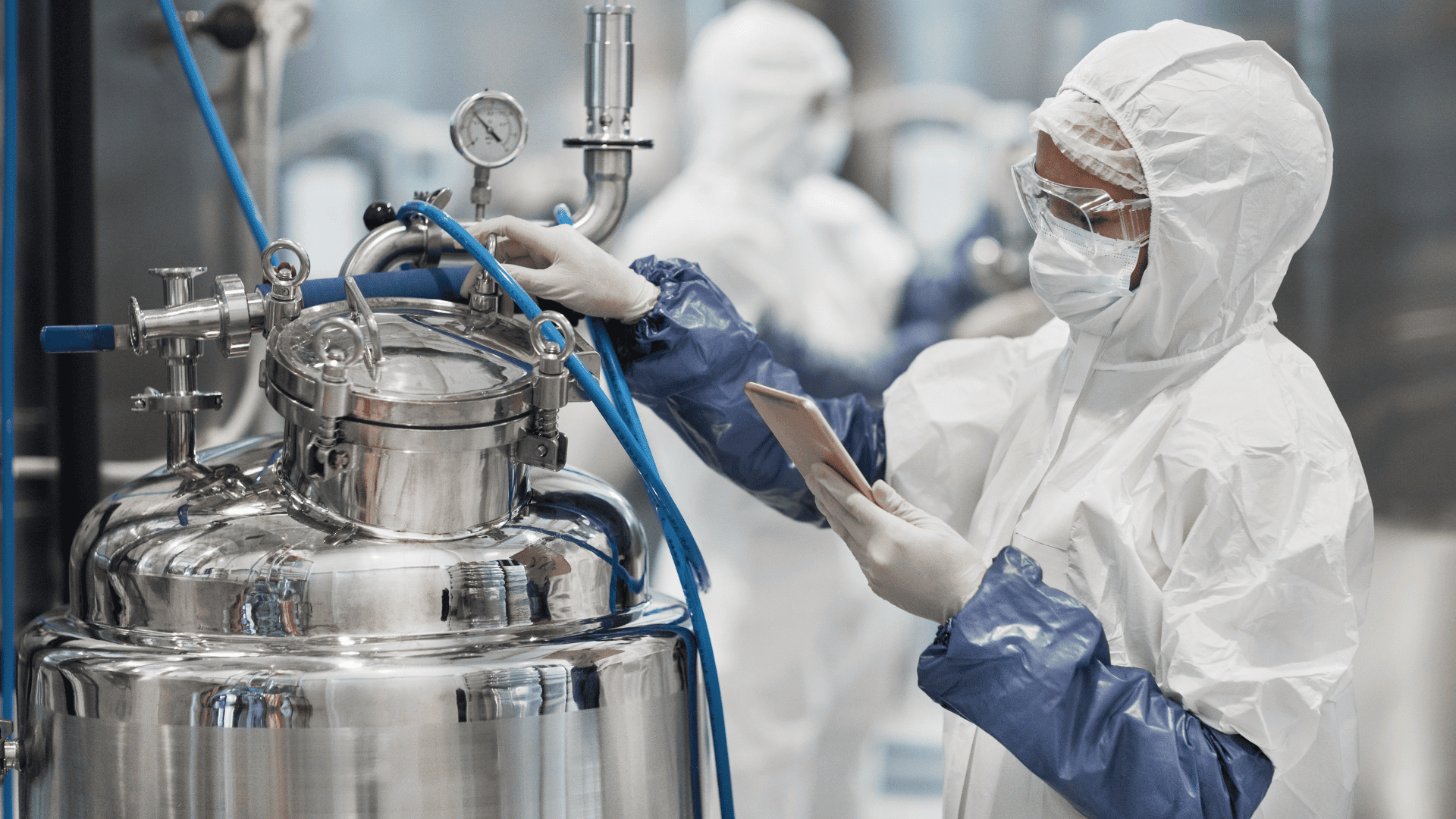
Solvents are essential to modern manufacturing for dissolving, cleaning, and moving chemical substances. Modern solvent blends offer considerable advantages over older types. Current options are superior to older versions, offering better performance, lower energy consumption, and less waste. These offerings accelerate reaction times, minimize residue accumulation, and ensure consistent quality across diverse industrial applications. Their excellent results both prolong equipment lifespan and allow producers to dramatically reduce the required cleaning time. This facilitates the creation of more efficient production schedules in operations where precise chemical management is essential.
Industries employing advanced solvents experience fewer interruptions, reduced equipment downtime, and more consistent product quality. According to the American Chemical Society, solvent selection plays a pivotal role in optimizing manufacturing processes while simultaneously reducing environmental impact.
Reducing Environmental Impact
Employing eco-friendly solvents enables companies to significantly reduce volatile organic compound emissions and hazardous waste generation. These formulations are specifically designed to minimize negative environmental impact while maintaining performance, often being biodegradable, low-toxicity, or derived from renewable sources.
Environmental agencies, such as the U.S. Environmental Protection Agency, advocate for greener chemical practices that prioritize waste reduction, resource efficiency, and safer handling of industrial chemicals. Incorporating next-generation solvents aligns with these guidelines while demonstrating corporate responsibility in global supply chains. These improvements also support long-term sustainability goals by limiting environmental exposure while allowing manufacturers to maintain the efficiency required for competitive industrial production.
Applications in Electronics and Precision Manufacturing
Maintaining unparalleled cleanliness and precision is essential in electronics manufacturing. The application of powerful solvents is necessary to ensure reliable residue elimination from sensitive components, which is vital for consistent device performance and preventing short circuits. This is vital in microelectronics, where tiny particles can degrade device performance over the long term or disrupt circuits. Utilizing specialized solvents allows companies to achieve reliable, uniform cleaning outcomes. Simultaneously, this approach guarantees adherence to strict rules and clear responsibility throughout the international distribution system.
The company is an ideal partner for modern manufacturing operations, given its commitment to both superior product quality control and environmental stewardship. Furthermore, the use of compounds such as cda 12a is growing, valued for its reliable performance and compatibility with state-of-the-art materials.
Advancing Pharmaceutical and Specialty Manufacturing
The move toward greener solvents in drug manufacturing brings several advantages. Solvents are essential for operations such as creation, isolation, and cleaning in this sector. By switching to these substitutes, firms can drastically reduce environmental pollution, raise the quality of their output, and enhance employee well-being by reducing exposure to hazardous substances.
Ohana Chem Co. is committed to achieving foundational and lasting progress through the development of groundbreaking medicines and specialized products. A core goal is to lessen ecological damage via improved substance collection. This entails the rapid, effective, and reliable retrieval and repurposing of vital constituents, which is essential for preserving scarce natural assets.
Supporting Compliance and Safety Standards
Specialized, high-quality solvents are critically important to manufacturers in meeting stringent safety and legal requirements. The uniform characteristics of these solvents are essential, as they simplify compliance efforts by reducing the complexity of required tracking and paperwork. This mandated documentation must precisely detail the chemical composition, storage guidelines, and appropriate usage procedures. Ultimately, this enhanced uniformity is paramount to boosting worker safety by minimizing workplace hazards.
Modern manufacturing is being transformed by next-generation solvents that offer enhanced performance, greater efficiency, and improved sustainability. Integrating advanced compounds such as CDA 12A manufacturing applications enables industries to achieve higher product quality, reduce environmental impact, and comply with stringent safety and regulatory standards. As industries continue to embrace sustainable chemistry, these innovations are shaping the future of responsible, efficient, and safe production processes.

Pallavi Singal is the Vice President of Content at ztudium, where she leads innovative content strategies and oversees the development of high-impact editorial initiatives. With a strong background in digital media and a passion for storytelling, Pallavi plays a pivotal role in scaling the content operations for ztudium’s platforms, including Businessabc, Citiesabc, and IntelligentHQ, Wisdomia.ai, MStores, and many others. Her expertise spans content creation, SEO, and digital marketing, driving engagement and growth across multiple channels. Pallavi’s work is characterised by a keen insight into emerging trends in business, technologies like AI, blockchain, metaverse and others, and society, making her a trusted voice in the industry.