Introduction
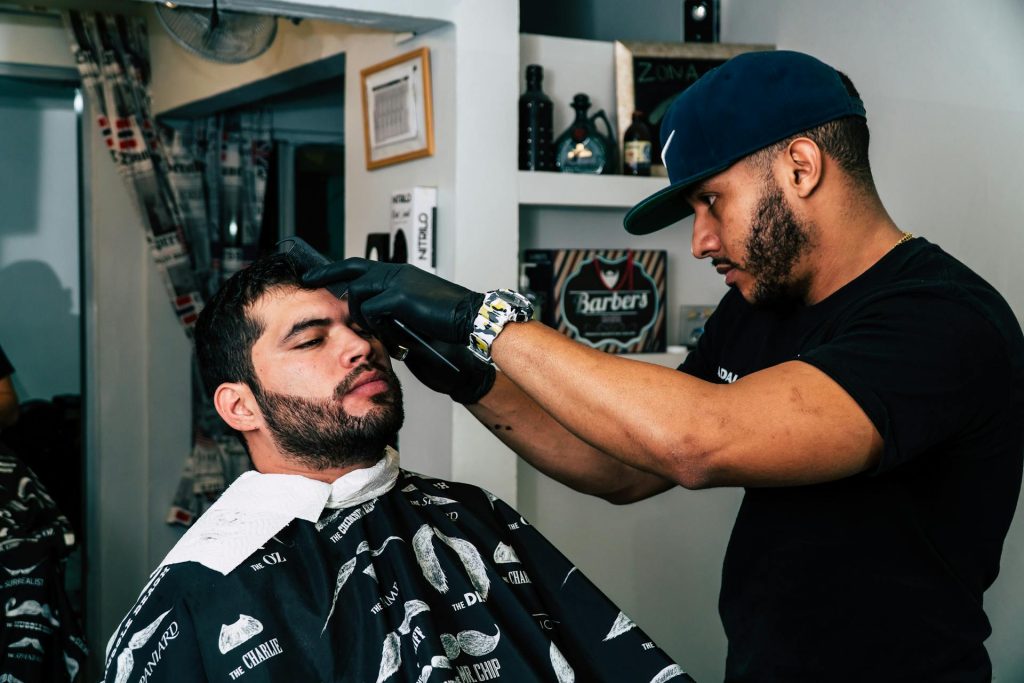
Environmental responsibility is no longer just a passing trend—it is shaping the future of many industries, including barbering. Today’s clients seek more than just great haircuts; they want assurance that their grooming experience doesn’t come at the planet’s expense. Consumers are paying more attention to how and where they spend their money, leading to an increased demand for businesses that align with their ethical values. For aspiring barbers and established professionals alike, learning about eco-friendly practices starts early, and choosing a progressive barber school can be one of the first steps to understanding modern sustainability in the industry. Forward-thinking barbering education programs integrate sustainability into their curriculum, teaching students technical skills and the significance of resource management, waste reduction, and ethical sourcing from day one. This focus better prepares students to succeed in a rapidly changing industry while positively contributing to the world.
Adopting Green Energy
Barbershops are increasingly seeking ways to shrink their carbon footprint through energy choices. Transitioning to renewable sources—such as installing solar panels or purchasing wind-generated power—can significantly affect overall emissions. Even small businesses can make strides by selecting energy suppliers prioritizing green energy, supporting larger shifts in the energy sector. In addition, simple changes like swapping out old bulbs for LED lights and investing in energy-efficient grooming tools lower electricity use without sacrificing performance. LED bulbs, for example, consume about 75% less energy and last vastly longer than traditional incandescent lighting. Consistent use of programmable thermostats and routine maintenance of heating, ventilation, and cooling systems further optimize energy consumption, helping shops save money while promoting environmental protection. With energy bills forming a considerable portion of operating costs, these changes can directly benefit the bottom line and the planet.
Reducing Water Waste
Water conservation is a critical area for sustainable barbering. Even small steps like installing low-flow faucets or aerators reduce daily water use considerably. Given how often hair is washed and rinsed in a typical barbershop, such upgrades can have a compounding positive effect on water consumption. Mindfulness in every service—limiting water during hair washes or using spray bottles for dampening—ensures that a necessary resource isn’t being needlessly wasted. Shops that monitor their water usage and quickly address leaks often see environmental benefits and reduced utility bills. Sometimes, even simple practices like turning off the tap when lathering or timing washes can add significant savings.
Sustainable Products and Packaging
The move toward sustainability is evident in the choice of products used and sold in barbershops. More retailers are favoring brands that offer natural ingredients and biodegradable packaging. Choosing shampoos and conditioners free from harsh chemicals reduces the long-term impact on the environment and client health. These products often contain fewer synthetic fragrances and toxins, making them safer for people with sensitivities and reducing contaminated runoff into local water supplies. Minimizing single-use plastics—such as switching from plastic bottles to refillable dispensers or recyclable containers—helps reduce landfill waste. Innovative options, like solid shampoo bars or bulk product refills, have gained popularity as practical, zero-waste alternatives that can be integrated into daily shop operations.
Waste Management
Effective waste management in barbershops goes far beyond separating trash and recyclables. Programs that recover and recycle hair clippings are gaining traction, especially since hair can be repurposed in environmental projects like oil spill cleanup or gardening compost. Organizations that collect salon waste and turn it into useful materials have emerged, reducing the overall burden on landfills. Additionally, aluminum foils, used razors, and product packaging can be recycled with proper systems. Shops benefit from forging relationships with local recycling facilities and staying updated on municipal guidelines to ensure compliance and maximize efficiency.
Eco-Friendly Tools and Accessories
The barbershop’s toolkit is also evolving with sustainability in mind. Eco-friendly options include brushes and combs made from bamboo, razors constructed from biodegradable materials, and scissors engineered for durability and longevity. By selecting tools designed to last longer, barbers can reduce their reliance on disposable products and ease the burden on waste systems. Some barbershops even opt for rechargeable or solar-powered clippers to minimize their environmental impact and reduce operational costs. Regular maintenance and proper cleaning extend the lifespan of tools, meaning fewer need to be replaced each year. These upgrades represent a small investment that, over time, dramatically cuts environmental impact and operational costs.
Community Engagement
Beyond shop doors, many barbershops are taking the lead on community-level environmental action. Organizing events such as local park clean-ups, recycling drives, or educational workshops positions these businesses as positive forces in their neighborhoods. These initiatives also foster relationships between shops and clients outside the traditional customer-service provider dynamic, creating a sense of collective purpose. Barbers who advocate for sustainability encourage broader adoption of green habits, amplifying their impact beyond their enterprises.
Final Thoughts
The shift towards sustainability in barbering is more than a marketing stance—it is a meaningful step toward preserving resources for future generations. Barbershops become leaders in environmental responsibility by leveraging renewable energy, embracing water conservation, selecting sustainable products, managing waste thoughtfully, and investing in durable, eco-friendly tools. For clients and professionals alike, these practices reinforce the value of ethical grooming and demonstrate that everyday actions, even in a barbershop, can shape a more sustainable world. As more clients and businesses choose sustainability, the industry evolves toward a greener, cleaner, and more responsible future—one haircut at a time.