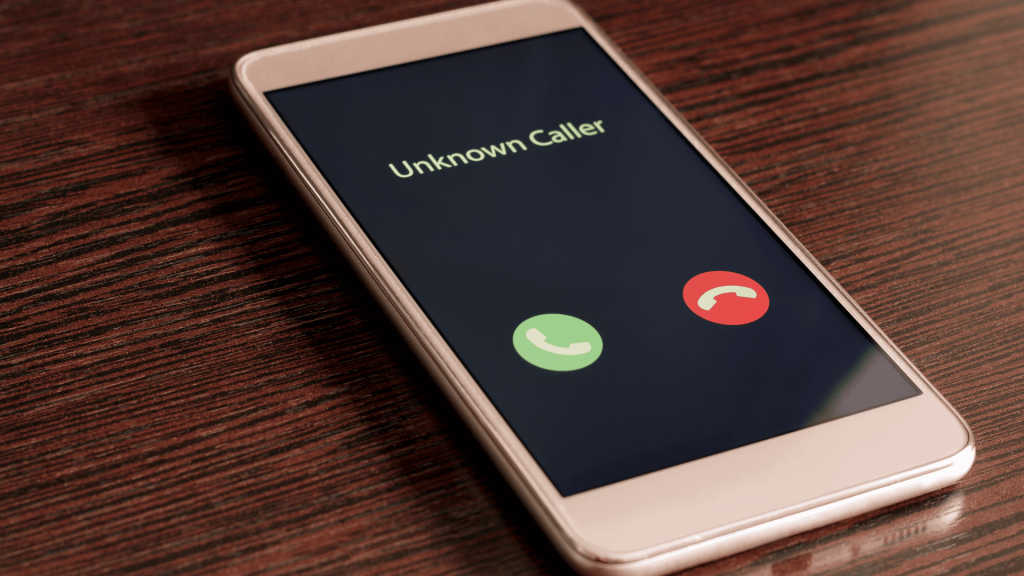
Unknown numbers used to be mildly annoying. Now they are one of the most common ways that scammers, fraudsters, and spammers get access to people. A phone that rings constantly from numbers you do not recognize is not just a nuisance. It is a signal that you need a smarter approach to how you handle your calls.
The good news is that dealing with unknown numbers does not require technical expertise or expensive subscriptions. A few clear habits can dramatically change how you experience incoming calls. Whether unknown numbers ring you daily or just occasionally catch you off guard, these six tips will help you stay ahead of the problem.
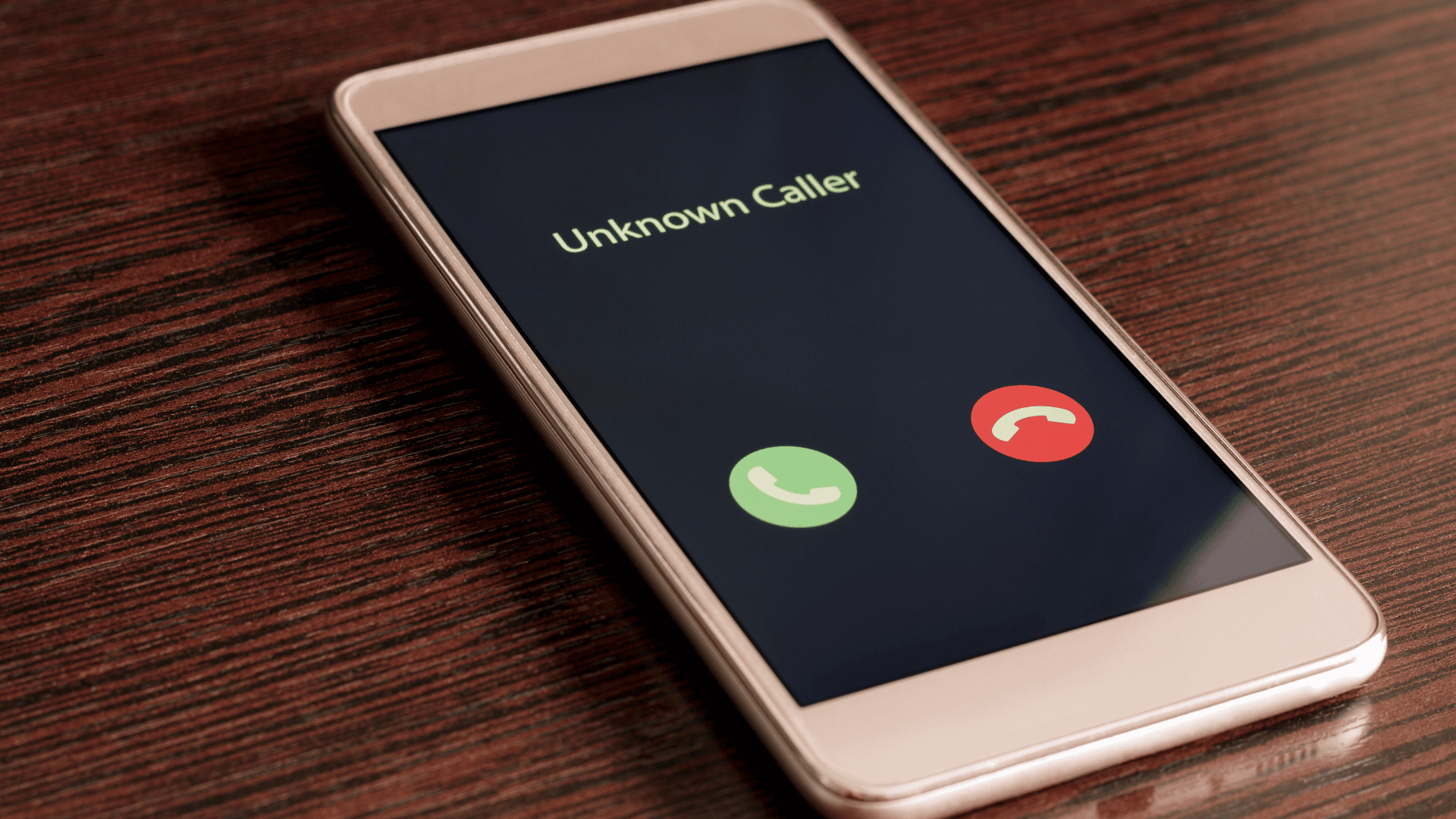
6 Simple Tips to Stay Safe from Unknown Numbers
None of these requires a lot of time or effort. What they do require is a small, deliberate shift in how you respond when your phone rings from a number you do not know.
1. Do Not Answer Calls You Are Not Expecting
This sounds obvious, but a surprising number of people still pick up every call out of habit or curiosity. The reflex to answer is understandable, but it works against you when unknown numbers call you with spam, robocalls, or social engineering scripts designed to get a reaction.
Letting a call go to voicemail is not rude. It is practical. Legitimate callers leave messages. Scammers typically do not. If someone genuinely needs to reach you, they will either leave a voicemail or follow up with a text. If neither happens, the call was almost certainly not worth your time.
Making “let it go to voicemail first” your default for unknown numbers removes the pressure of in-the-moment decisions and gives you a chance to research the number before responding.
2. Check the Number Before You Call Back
Calling back an unknown number without checking it first is one of the easiest ways to get pulled into a scam, or to confirm that your number is active, which only invites more unwanted calls.
The smartest habit to build is taking sixty seconds to identify phone number details before returning any call. A quick lookup can reveal whether a number belongs to a real business, a private person, or has been flagged by others as problematic. It takes less than a minute and can save you from a lot of frustration, especially when the number looks legitimate on the surface but is actually spoofed.
When unknown numbers call you, and you are not sure whether to respond, that brief research step is the difference between making an informed decision and walking into something you will regret.
3. Enable Spam Filtering on Your Phone
Both Android and iPhone have built-in options that can screen calls from likely spam numbers before they ever reach you. These features are often turned off by default, which means many people are going without the protection they already have access to.
On iPhone, the “Silence Unknown Callers” setting sends any number not in your contacts directly to voicemail. On Android, Google Phone’s “Filter spam calls” option does something similar, using a database to flag and divert suspicious numbers automatically.
These native settings are not perfect on their own, but they add a meaningful first layer of defense. Turning them on costs nothing and takes about thirty seconds in your phone’s settings menu.
4. Know What to Do When Unknown Numbers Call You Repeatedly
A single call from an unknown number is easy to dismiss. A pattern of calls from different unknown numbers, or repeated calls from the same one, is worth taking more seriously. Repeated contact is often a sign that your number has ended up on an active list being worked by a call center or automated dialing system.
Here is what to do when unknown numbers call you in a persistent pattern:
- Do not engage with the calls, even to say “stop calling.” Responding confirms your number is active and can increase the volume rather than reduce it.
- Document the numbers and times if the calls are disruptive or feel threatening.
- Report the numbers to the relevant authority in your country, such as the FTC in the United States or Ofcom in the UK.
- Block each number through your phone’s built-in blocking feature to cut off contact from those specific sources.
- If the pattern continues with rotating numbers, look into a dedicated call-filtering option that handles entire categories of spam at once.
Persistent unknown numbers rarely stop on their own. Taking these steps cuts off the pattern far more effectively than simply hoping the calls will eventually taper off.
5. Understand How Your Number Gets Into the Wrong Hands
A lot of people focus entirely on what to do after unknown numbers start calling, without thinking about why those calls are happening in the first place. In many cases, the answer is that a phone number has been exposed through routine online activity: filling out a form, entering a contest, downloading a free app, or simply having an old account somewhere that got swept up in a data breach.
Data brokers are a particularly overlooked part of the problem. These are companies that collect and sell contact information, often without any direct interaction with the person whose data they are selling. Your number can end up in their databases through public records, loyalty programs, or aggregated purchase data, and from there, it can be sold to anyone willing to pay for a list.
Knowing this changes how you think about the problem. Getting calls from unknown numbers is not random. It is usually traceable back to a specific exposure point, even if that point is hard to pinpoint after the fact.
6. Be More Deliberate About Where You Share Your Number
Once you understand how phone numbers get circulated, the natural next step is tightening up where yours appears. This does not mean being paranoid about every interaction. It means applying a bit more judgment before entering your number somewhere new.
A few practical habits that make a real difference over time:
- Avoid entering your real phone number into websites or apps that do not have a genuine reason to contact you by phone.
- Check whether your number appears on data broker sites and use their opt-out processes to request removal.
- Review app permissions on your phone and revoke contact list or phone access for any app that does not clearly need it.
- Use a secondary or temporary number for sign-ups, one-time verifications, or situations where you are unsure how the number will be used later.
The fewer places your number appears, the fewer avenues unknown numbers have to find you. These steps do not stop incoming spam overnight, but they do reduce the long-term volume in a way that passive blocking alone cannot.
Why Getting Proactive Actually Works
Most people treat unknown numbers as unavoidable background noise. They pick up occasionally, get burned occasionally, and assume that is simply how things are. But the experience of being constantly caught off guard by unknown numbers is not inevitable. It is largely the result of a gap between how persistent spam callers are and how reactive most people tend to be in response.
The tips above close that gap. None of them are complicated. What they share is a shift in posture: from reacting to unknown numbers to handling them on your own terms. That shift matters because the callers who rely on surprise and split-second decisions lose most of their leverage the moment you stop reacting impulsively.
Knowing what to do when unknown numbers call you, having a process to identify phone number details before calling back, and making a few deliberate changes to both your phone settings and your online habits creates a layered approach that holds up over time.
A Quick Reference: Your Unknown Number Action Plan
To bring it all together, here is a simple framework for handling unknown numbers from this point forward:
- Before answering: Let it ring to voicemail if it is not a saved contact.
- Before calling back: Look up the number to check who it belongs to and whether it has been flagged.
- If calls are repeated: Document, report, and block rather than engaging.
- On your phone settings: Enable spam filtering and silence unknown callers where available.
- For your number’s exposure: Audit where your number appears online and reduce unnecessary sharing going forward.
Each of these steps takes minutes at most. Together, they form a reliable, low-effort routine for staying safe when unknown numbers come calling.

Peyman Khosravani is a seasoned expert in blockchain, digital transformation, and emerging technologies, with a strong focus on innovation in finance, business, and marketing. With a robust background in blockchain and decentralized finance (DeFi), Peyman has successfully guided global organizations in refining digital strategies and optimizing data-driven decision-making. His work emphasizes leveraging technology for societal impact, focusing on fairness, justice, and transparency. A passionate advocate for the transformative power of digital tools, Peyman’s expertise spans across helping startups and established businesses navigate digital landscapes, drive growth, and stay ahead of industry trends. His insights into analytics and communication empower companies to effectively connect with customers and harness data to fuel their success in an ever-evolving digital world.