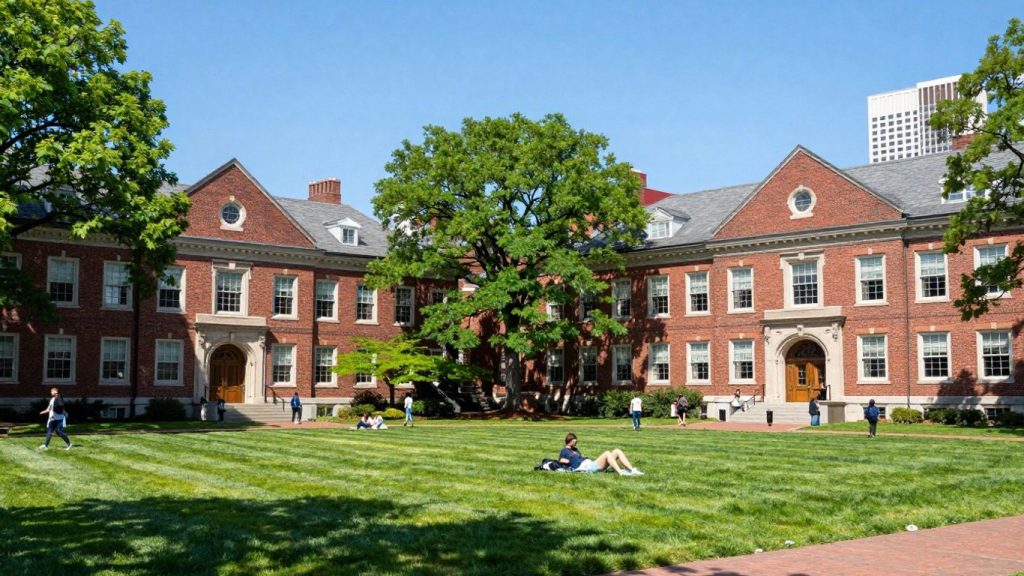
Stevens Institute of Technology, located in Hoboken, New Jersey, is a private research university with a long history of focusing on science and engineering. It’s known for its hands-on approach to education and its strong connections to industry. This overview will explore what makes Stevens a unique place for students looking to build a career in technology and beyond.
Key Takeaways
- Stevens Institute of Technology offers a curriculum that blends rigorous academics with practical, project-based learning, preparing students for real-world challenges.
- The university provides numerous research opportunities, allowing students to work closely with faculty and gain practical experience, sometimes leading to publications.
- Student life at Stevens is active, with many clubs and organizations, and its location offers easy access to the cultural and professional opportunities of New York City.
- Stevens emphasizes career preparation through programs like co-ops and strong postgraduate connections, helping graduates secure jobs in tech and related fields.
- The campus itself, situated on a hill overlooking the Hudson River, features modern facilities and resources, including specialized centers for research and learning, alongside a library.
Discovering Stevens Institute Of Technology
A Foundation in Technology and Innovation
Stevens Institute of Technology, established in 1870, holds the distinction of being one of the United States’ earliest institutions dedicated solely to mechanical engineering. This long-standing history is built on a bedrock of technological advancement and forward-thinking innovation. The university has consistently adapted to the evolving landscape of science and engineering, positioning itself as a leader in preparing students for the challenges and opportunities of a rapidly changing world. Its private research university status means a strong emphasis is placed on pushing the boundaries of knowledge through dedicated research initiatives.
Location and Campus Overview
Perched atop Castle Point, the highest elevation in Hoboken, New Jersey, Stevens offers a truly remarkable setting. The 55-acre campus provides not only a dedicated space for learning and research but also breathtaking panoramic views of the New York City skyline. This unique vantage point offers a constant reminder of the vibrant urban environment just a short distance away, blending a focused academic atmosphere with the energy of a major metropolitan area. The campus itself is a mix of historic structures and modern facilities, creating a dynamic environment for its students.
Mission and Educational Philosophy
At its core, Stevens is driven by a mission to provide students with a rigorous education that emphasizes hands-on learning and practical application. The educational philosophy centers on preparing graduates to be innovators and leaders in their chosen fields. This is achieved through a curriculum that is both challenging and engaging, encouraging critical thinking and problem-solving skills. The university believes in nurturing a community where students can develop not only their technical abilities but also their capacity for collaboration and lifelong learning.
The university’s approach is designed to equip students with the skills and mindset needed to tackle complex problems, making them well-prepared for careers in technology and beyond.
Here’s a look at some key aspects of Stevens’ educational approach:
- Research Focus: Strong emphasis on undergraduate and graduate research opportunities.
- Project-Based Learning: Integration of practical projects throughout the curriculum.
- Interdisciplinary Approach: Encouraging collaboration across different fields of study.
- Industry Connections: Building pathways for students to connect with professional opportunities.
Academic Excellence and Hands-On Learning
At Stevens Institute of Technology, the academic experience is built around a strong foundation of rigorous coursework combined with practical, hands-on learning opportunities. The university is dedicated to preparing students for the complexities of the 21st century, where technology and innovation are constantly evolving. This means the curriculum isn’t just about theory; it’s about applying knowledge to solve real-world problems.
Rigorous and Engaging Curriculum
The academic programs at Stevens are designed to be challenging yet rewarding. Students can expect a curriculum that is regularly updated to keep pace with the latest advancements in science, technology, engineering, and business. The core sciences are taught with a focus on preparing students for discovery, while the humanities courses emphasize clear reasoning and effective communication. This blend ensures graduates are not only knowledgeable but also articulate and analytical thinkers.
Research Opportunities and Mentorship
Stevens places a significant emphasis on undergraduate research. Students have the chance to work alongside faculty members who are leaders in their fields. This close interaction provides invaluable one-on-one mentorship, allowing students to explore specific topics in depth and even contribute to published research. It’s a chance to get involved in cutting-edge projects and gain practical experience that goes beyond classroom learning.
The Design Spine and Project-Based Learning
A distinctive feature of the Stevens academic experience is the "Design Spine." This is a sequence of project-based courses that runs through the undergraduate engineering curriculum. It requires students to work collaboratively on design challenges, building everything from robots to advanced testing equipment. This approach teaches students how to take an idea from concept to creation, integrating the technical skills they learn with teamwork and problem-solving.
The academic approach at Stevens is intentionally structured to bridge the gap between theoretical knowledge and practical application. Students are encouraged to engage with complex problems, develop innovative solutions, and refine their skills through iterative design and testing processes. This methodology prepares them not just for a degree, but for a dynamic career.
Here’s a look at some of the specialized research centers that contribute to Stevens’ academic environment:
- Center for Innovation in Engineering and Science Education (CIESE): Focuses on improving K-12 STEM education and encouraging more students to pursue technology careers.
- Center for Environmental Systems (CES): Develops new technologies for water treatment, pollution control, and environmental monitoring.
- Highly Filled Materials Institute (HfMI): Conducts research on the processing and analysis of complex materials, particularly in industrial applications.
- Center for Research toward Advancing Financial Technologies (CRAFT): A joint effort to advance innovation in financial technology through industry and university collaboration.
Student Life and Community at Stevens
Vibrant Campus Community
Stevens Institute of Technology is home to a student body that is both driven and collegial. You’ll find that many students are focused on their academic pursuits and future careers, but this focus doesn’t come at the expense of connection. The community here is known for its collaborative spirit, where classmates are often willing to help each other succeed. It’s a place where ambition is shared, and a sense of camaraderie is strong, especially around shared academic interests or campus events. Many students describe their peers as genuinely nice and approachable, contributing to a feeling of belonging.
Here’s a snapshot of the student demographic:
| Category | Percentage |
|---|---|
| Female | 34% |
| Male | 66% |
| Out of State | 32% |
| In-State | 68% |
| Full-Time | 98% |
| Part-Time | 2% |
Extracurricular Activities and Organizations
Life at Stevens extends well beyond the classroom, offering a wide array of activities to get involved in. With over 100 clubs and organizations, there’s a good chance you’ll find a group that matches your interests, whether it’s robotics, debate, cultural appreciation, or community service. Athletics are also a significant part of campus life, with opportunities to join NCAA Division III varsity teams, or participate in intramural and club sports. For those inclined towards the arts, Stevens provides avenues in music, theater, and visual arts. The university also encourages community engagement through various volunteer and service-learning initiatives, connecting students with Hoboken and the broader New York City area.
The university actively supports student-led initiatives and encourages participation in activities that contribute to personal development and a strong sense of belonging. This approach aims to provide students with a well-rounded experience, balancing academic rigor with personal growth and community involvement.
Proximity to New York City
One of the most significant advantages of attending Stevens is its prime location in Hoboken, New Jersey, perched on a hill with stunning, unobstructed views of the Manhattan skyline. This proximity to one of the world’s most dynamic cities opens up a vast landscape of opportunities. Students can easily access cultural events, entertainment venues, professional networking possibilities, and internships that are readily available in New York City. This connection enriches the overall student experience, providing a blend of focused academic life on campus with the vibrant energy and opportunities of a major metropolitan area just a short trip away.
Experiencing Stevens Institute Of Technology
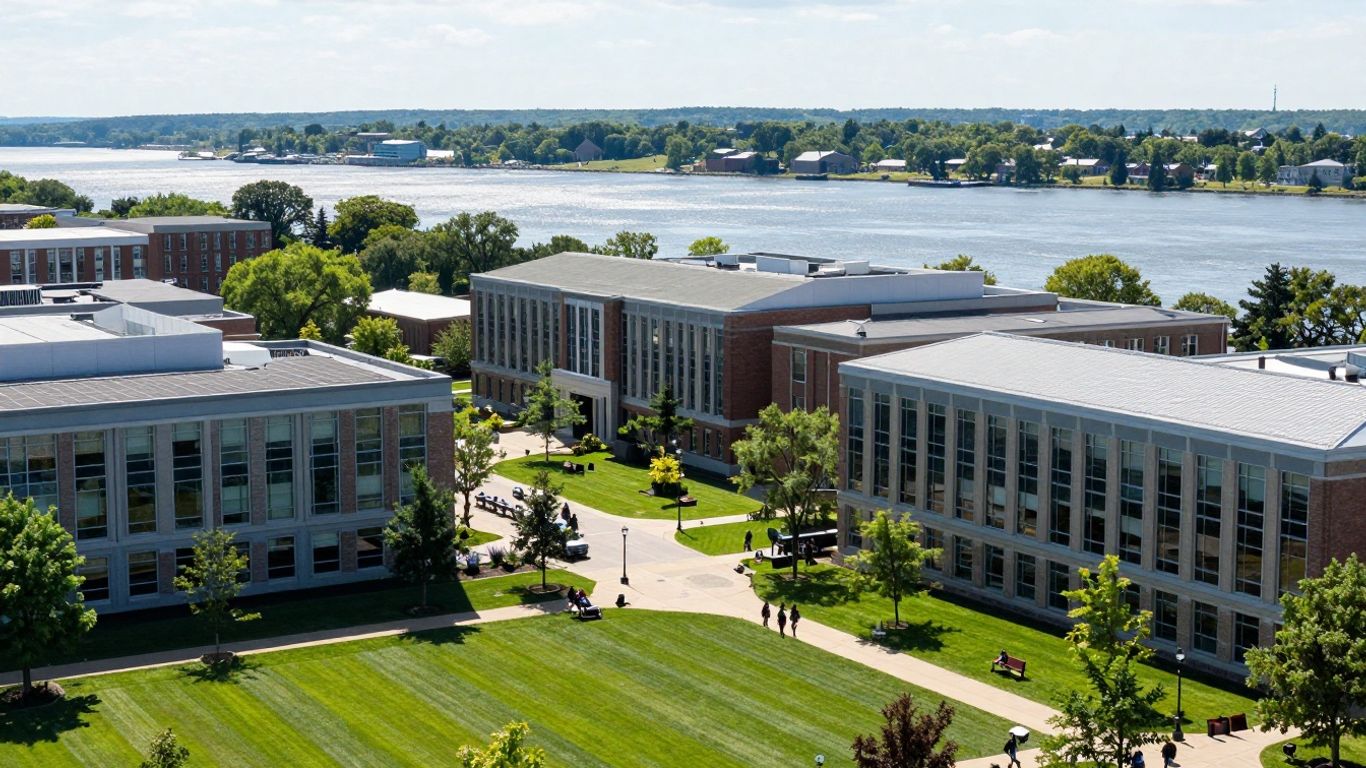
Planning Your Campus Visit
Deciding where to pursue your higher education is a significant choice, and experiencing a campus firsthand can truly illuminate your path. Stevens Institute of Technology warmly invites prospective students and their families to explore its distinctive hilltop campus. We recognize that an in-person visit isn’t always feasible, so we’ve developed a range of options to help you connect with our community and get a genuine sense of life at Stevens.
Throughout the year, Stevens hosts dedicated Information Sessions and Campus Visit Days. These events are structured to provide a thorough introduction to the university, covering academic programs, the application process, and financial aid details. They also offer a prime opportunity to engage with current students and faculty, and naturally, to take a guided tour of the campus. These days are designed to give you a complete picture, from academics to daily student life.
Virtual Exploration Options
For those unable to visit in person, our virtual information sessions serve as an excellent alternative. These online events allow you to participate remotely, gaining many of the same benefits as an on-campus visit. You can learn about Stevens, ask questions, and hear from members of our community without leaving your home. We strive to make these sessions interactive and informative, offering a clear view of what Stevens has to offer.
Stevens also provides an immersive virtual tour, allowing you to wander through the grounds and buildings right from your computer. It’s a fantastic way to see what life might be like there, whether you’re considering applying or are simply curious. You can explore different facilities, get a feel for the academic atmosphere, and even see student gathering spots. This helps paint a picture of the Stevens experience without needing to travel.
Connecting with the Admissions Team
Our Admissions team is ready to assist you in planning your visit, whether it’s in person or virtual. They can provide the latest information on visit opportunities, answer your questions about the application process, and help arrange specific meetings if needed. Reaching out to the Office of Admissions is a great first step to tailor your exploration experience.
Making an informed decision about your university is paramount, and Stevens provides multiple avenues to connect and explore, ensuring you can gather the information needed to feel confident about your choice.
Here’s a quick look at how you can connect:
- In-Person Visits: Scheduled Campus Visit Days and Information Sessions offer guided tours and direct interaction with the community.
- Virtual Tours: Explore campus facilities and grounds interactively from your own device.
- Online Information Sessions: Participate in live, remote sessions to learn about academics, admissions, and student life.
- Admissions Counselors: Reach out directly to the Admissions Office for personalized guidance and to answer specific questions.
Career Preparation and Postgraduate Success
Co-op Programs and Work Experience
Stevens Institute of Technology places a strong emphasis on practical, hands-on experience to prepare students for their future careers. A significant number of undergraduates participate in the cooperative education program. This program typically extends a student’s time at Stevens to five years, allowing them to complete approximately 18 months of paid, full-time work experience. It’s a fantastic way to test out your chosen field, figure out what you really enjoy, and build a professional network before you even graduate. While about 30% of students opt for co-op, others gain valuable experience through research, externships, or internships.
Postgraduate Connections and Career Services
Stevens is dedicated to helping graduates transition smoothly into the professional world. The university’s career services team provides a range of support, including access to a robust alumni network, career counseling, and internship placement assistance. They also offer resources like interest inventories to help students clarify their career paths. This proactive approach means that many students have a clear direction before they even walk across the graduation stage.
The university’s focus on integrating academic learning with real-world application helps students not only secure employment but also find roles that align with their passions and long-term goals.
Return on Investment and Industry Reputation
Stevens graduates are highly sought after by employers, reflecting the strong reputation of the institute. The combination of rigorous academics and practical experience often translates into strong starting salaries and excellent long-term career prospects. The university consistently ranks well for return on investment, indicating that the education received at Stevens is a sound investment for future success. Many companies actively recruit on campus, looking for the skilled and innovative thinkers that Stevens produces.
Here’s a look at some outcomes for recent graduating classes:
| Graduation Year | % Graduating in 6 Years | % Securing Outcomes Within 6 Months | Average Starting Salary (Approx.) |
|---|---|---|---|
| Class of 2021 | 90% | 97% | $75,400 |
| Class of 2020 | 88% | N/A | $92,800 |
| Class of 2019 | 85% | N/A | $85,000 |
Campus Facilities and Resources
Stevens Institute of Technology boasts a collection of impressive facilities designed to support student learning, research, and overall well-being. The campus itself, situated on a bluff overlooking the Hudson River and the iconic New York City skyline, provides a stunning backdrop for academic pursuits. You’ll find a mix of historic architecture and modern, state-of-the-art buildings, all contributing to a dynamic environment.
Academic and Research Hubs
The heart of academic life at Stevens beats within its specialized centers and labs. These spaces are equipped to facilitate cutting-edge research and provide students with hands-on experience. For instance, the Babbio Center houses advanced engineering labs, while the Charles V. Schaefer Jr. School of Engineering and Science is located in the historic Edwin A. Stevens Hall, which also features performance spaces and lecture halls. These hubs are where theoretical knowledge meets practical application, allowing students to work on real-world problems.
The Samuel C. Williams Library
More than just a repository for books, the Samuel C. Williams Library serves as a central hub for academic support and research. It offers extensive digital resources, quiet study areas, collaborative workspaces, and access to research librarians who can assist students in finding and utilizing information effectively. The library is a cornerstone for scholarly inquiry and intellectual growth. It provides the resources necessary for students to succeed in their coursework and research endeavors.
Hanlon Financial Systems Center
For students interested in the intersection of finance and technology, the Hanlon Financial Systems Center is a key destination. This center simulates a professional trading floor environment, allowing students to gain practical experience with financial markets and trading technologies. It’s a place where students can explore careers in quantitative finance, fintech, and other related fields, getting a feel for the fast-paced world of financial analysis and decision-making.
Here’s a glimpse of what you might find within Stevens’ facilities:
- Advanced Laboratories: Equipped for various engineering and science disciplines.
- Study Spaces: Ranging from quiet zones to group collaboration areas.
- Recreational Facilities: Including fitness centers and athletic venues.
- Performance and Event Venues: Such as DeBaun Auditorium for arts and lectures.
The campus design thoughtfully integrates green spaces and sustainable features, reflecting a commitment to environmental responsibility alongside technological advancement. This thoughtful approach creates an environment that is both conducive to learning and mindful of its impact.
Wrapping Up Your Stevens Exploration
So, we’ve taken a good look at what Stevens Institute of Technology has to offer. From its strong focus on hands-on learning and research, which really helps students get ahead, to its smaller class sizes that let you connect with professors, it seems like a place that cares about student success. The location is pretty amazing too, right by New York City, which opens up a lot of doors. Whether you’re thinking about visiting in person or checking things out online, Stevens provides ways to get a real feel for the campus and the community. It’s clear that Stevens aims to prepare its students for whatever comes next, with a solid education and good connections for future careers. It’s definitely a school worth considering if you’re looking for a tech-focused education with a supportive environment.
Frequently Asked Questions
What is Stevens Institute of Technology known for?
Stevens is famous for its focus on science, technology, engineering, and math. It offers many chances for students to do research and learn by doing projects. Many students also like that the classes are often small, allowing them to get to know their teachers well.
Can I explore the campus online?
Yes, Stevens provides a virtual tour that lets you see the campus buildings and grounds from your computer. It includes pictures and videos, so you can get a good feel for the school even if you can’t visit in person.
What kind of learning experiences does Stevens offer?
Stevens has a strong emphasis on hands-on learning. They have a ‘Design Spine’ program where students work on design challenges, and a co-op program that lets students gain real work experience while studying.
How does Stevens help students prepare for jobs?
The school has great connections with companies, especially in the tech industry. Their career services help students find internships and jobs. The tough classes also prepare students well for their future careers, and many graduates get job offers soon after finishing.
What is student life like at Stevens?
There’s a lively student community with over 100 clubs and organizations. Students can join sports teams, arts groups, or volunteer. Plus, being right next to New York City means there are tons of cultural events and other activities to explore.
Where is Stevens located?
Stevens is located in Hoboken, New Jersey. Its campus is on a hill overlooking the Hudson River, giving it amazing views of the New York City skyline. It’s a beautiful spot that’s also very close to all the opportunities the city has to offer.

Peyman Khosravani is a seasoned expert in blockchain, digital transformation, and emerging technologies, with a strong focus on innovation in finance, business, and marketing. With a robust background in blockchain and decentralized finance (DeFi), Peyman has successfully guided global organizations in refining digital strategies and optimizing data-driven decision-making. His work emphasizes leveraging technology for societal impact, focusing on fairness, justice, and transparency. A passionate advocate for the transformative power of digital tools, Peyman’s expertise spans across helping startups and established businesses navigate digital landscapes, drive growth, and stay ahead of industry trends. His insights into analytics and communication empower companies to effectively connect with customers and harness data to fuel their success in an ever-evolving digital world.