Exploring the world of blockchain can feel a bit like trying to find your way through a maze, especially when you’re trying to track specific digital assets. Thankfully, there are ways to make sense of it all. This guide is here to help you get a handle on how to search blockchain by address, making the complex world of digital ledgers a little more understandable. We’ll walk through the basics, show you how to use tools, and talk about why this is all important.
Key Takeaways
- Blockchain addresses are unique identifiers for wallets, acting like account numbers for digital currency transactions.
- Blockchain explorers are public websites that let you view transaction history for any given address on a blockchain.
- Specialized tools and wallet trackers can offer deeper insights and a consolidated view of digital asset activity.
- Analyzing on-chain activity helps in identifying patterns, tracking fund flows, and understanding wallet interactions.
- Searching blockchain by address is useful for verifying transactions, monitoring personal assets, and assisting with tax reporting.
Understanding Blockchain Addresses
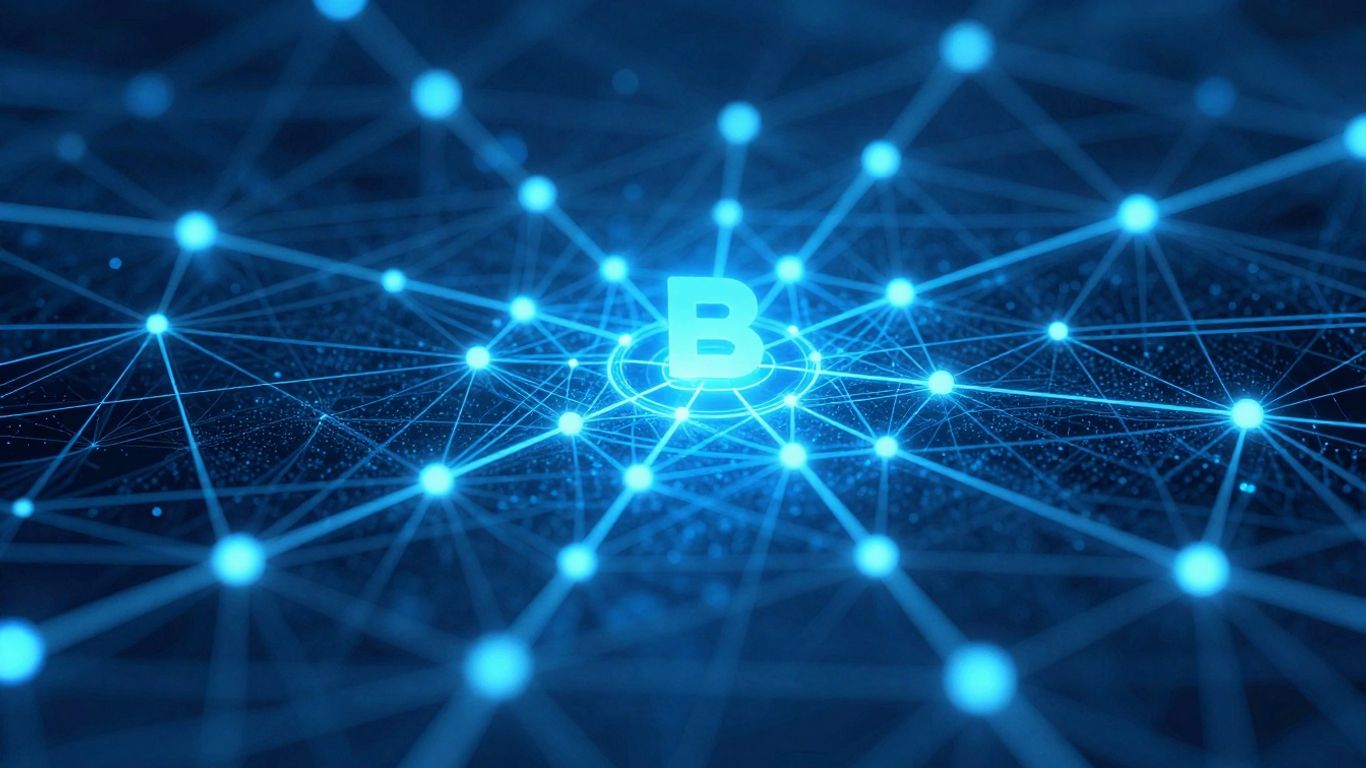
Think of a blockchain address as a unique identifier, kind of like an email address or a bank account number, but for digital assets on a blockchain. It’s a string of characters that allows you to send and receive cryptocurrencies or other digital tokens. This address is publicly visible, but it doesn’t directly reveal your personal identity.
What is a Blockchain Address?
A blockchain address is essentially a public key that has been transformed into a format suitable for sending and receiving funds. When you create a cryptocurrency wallet, it generates a pair of keys: a public key and a private key. The public key is used to derive your address, which you can share freely with others. The private key, on the other hand, must be kept secret as it’s what grants you control over your assets.
The Role of Addresses in Transactions
Every transaction on a blockchain involves at least two addresses: a sender’s address and a recipient’s address. When you send cryptocurrency, you specify the recipient’s address and the amount. This information, along with your own address (often derived from your private key for signing the transaction), is then broadcast to the network. Miners or validators then verify the transaction and add it to a block, creating a permanent record on the blockchain. The address acts as the destination and origin point for these digital asset movements.
Public vs. Private Keys
Understanding the difference between public and private keys is fundamental to grasping how blockchain addresses work.
- Public Key: This is derived from your private key. It’s used to generate your blockchain address. You can share your public key or address without compromising your funds.
- Private Key: This is the secret key that proves ownership of your assets associated with a particular address. Anyone who has your private key can control and spend your cryptocurrency. It’s crucial to keep your private key secure and never share it.
The security of your digital assets hinges on the protection of your private key. While your address is public and used for transactions, your private key is the ultimate gatekeeper to your funds. Losing your private key means losing access to your assets forever.
Navigating Blockchain Explorers
Think of blockchain explorers as the search engines of the digital asset world. They are websites that allow anyone to view and analyze data on a specific blockchain. When you want to check the activity of a particular digital wallet or verify a transaction, a block explorer is your go-to tool. They provide a transparent window into the otherwise complex ledger of transactions.
Introduction to Block Explorers
At their core, blockchain explorers are software applications that pull raw data from blockchain nodes and present it in a human-readable format. They act as public interfaces, making the decentralized ledger accessible to everyone. Popular examples include Etherscan for the Ethereum network and Blockchain.com for Bitcoin. These platforms are indispensable for anyone interacting with cryptocurrencies, offering a way to see the flow of assets without needing to run your own node. You can find a wide variety of these tools to help manage your digital assets [afb8].
How to Search Blockchain by Address
Searching the blockchain by address is a straightforward process using a block explorer. Here’s a typical workflow:
- Obtain the Wallet Address: This is the unique string of characters representing the digital wallet you want to investigate. It’s like an account number for your crypto.
- Choose a Block Explorer: Select a reputable explorer for the specific blockchain you are interested in (e.g., Blockchain.com for Bitcoin, Etherscan.io for Ethereum, BscScan for Binance Smart Chain).
- Enter the Address: Paste the wallet address into the search bar provided on the explorer’s website.
- Review the Results: The explorer will display all publicly available information associated with that address.
The primary information you’ll see includes the wallet’s current balance and a history of all incoming and outgoing transactions. This allows for direct verification of asset movements.
Interpreting Transaction Data
Once you perform a search, you’ll be presented with a list of transactions. Each entry typically includes:
- Transaction ID (TxID): A unique identifier for each transaction.
- Timestamp: When the transaction occurred.
- From/To Addresses: The sending and receiving wallet addresses.
- Amount: The quantity of cryptocurrency transferred.
- Transaction Fee: The cost paid to process the transaction.
Understanding these details helps you confirm if a payment was received, track where funds have gone, or simply monitor your own activity. It’s important to remember that while you can see the flow of funds, the identity of the wallet owner is usually not revealed, as most addresses are pseudonymous.
Block explorers provide a direct, unfiltered view of blockchain activity. They are essential for verifying transactions and understanding the movement of digital assets, but they do not reveal the real-world identity behind an address unless that information has been publicly linked.
Leveraging Specialized Blockchain Tools

Beyond the general-purpose blockchain explorers, a variety of specialized tools exist to help you analyze blockchain activity with greater precision. These platforms often cater to specific blockchains or offer advanced features for tracking and analysis.
Exploring Wallet Trackers
Wallet trackers are designed to provide a consolidated view of your cryptocurrency holdings across different addresses and exchanges. Instead of checking each address individually, these tools aggregate your assets, offering a holistic picture of your portfolio’s performance. They can be particularly useful for:
- Calculating your overall net worth.
- Tracking capital gains and losses for tax purposes.
- Monitoring the performance of various digital assets.
Some popular examples include CoinTracking.info, Delta, and Blockfolio. These platforms often connect to your accounts via read-only APIs, giving you a comprehensive overview without compromising security.
Tools for Bitcoin Address Tracking
Given Bitcoin’s long history and widespread adoption, a number of tools have emerged specifically for tracking its on-chain activity. These might offer deeper insights into the Bitcoin network, such as:
- Analyzing historical transaction fee trends.
- Identifying patterns in Bitcoin mining operations.
- Tracing the movement of Bitcoin across various addresses.
While general explorers work well for Bitcoin, dedicated tools can provide more granular data and specialized analytical capabilities for serious Bitcoin enthusiasts.
Utilizing Binance Smart Chain Explorers
For those interested in the Binance Smart Chain (BSC), specialized explorers offer tailored features. These platforms are optimized for the BSC ecosystem, allowing users to:
- View BSC transactions and blocks.
- Analyze smart contract interactions.
- Track BEP-20 token activity.
Examples like BscScan provide a detailed look at the activity within the BSC network, making it easier to monitor specific projects or transactions on this popular blockchain.
While these tools offer powerful analytical capabilities, it’s important to remember that most blockchain data is pseudonymous. Linking wallet addresses to real-world identities typically requires additional information or voluntary disclosure.
Analyzing On-Chain Activity
Once you’ve got a handle on how to search for transactions using a blockchain address, the next step is to actually make sense of the data you’re seeing. This is where you start to piece together the story behind the numbers and transactions. It’s like being a detective, but instead of fingerprints, you’re looking at digital trails.
Identifying Transaction Patterns
Looking at individual transactions is useful, but the real insights come from spotting patterns. Are certain wallets consistently sending funds to each other? Does a particular address receive funds and then immediately distribute them to many other addresses? These recurring actions can point to specific operations or services. For instance, a wallet that regularly receives small amounts from many different sources and then sends out larger, consolidated amounts might be part of a payment processing service. Identifying these recurring connections can help you understand if there’s a particular operation or group of people using these wallets.
Tracking Fund Flows
Following the movement of digital assets across the blockchain is key. Sometimes, funds don’t go directly from point A to point B. They might pass through several intermediary wallets, acting as temporary holding spots or mixers. These intermediate wallets are critical for tracing the money trail further. Large movements of funds are also significant. If a substantial amount leaves a wallet known to be associated with an exchange or a large holder, it’s worth noting where it goes. Does it get split up? Does it move to another large wallet? Following these significant flows can offer clues about major market activities.
Understanding Wallet Interactions
When you look at a wallet address, you’re seeing a public ledger of its activity. This history can reveal a lot about how a wallet is used and who might be interacting with it. You can see incoming and outgoing transactions, the amounts involved, and the timestamps. By examining these interactions over time, you can start to build a picture of a wallet’s purpose. For example, a wallet that frequently receives funds from various sources and then sends them to a few specific addresses might be a central hub for a particular service or individual. It’s about connecting the dots between different addresses and understanding the relationships they represent. This kind of analysis is fundamental for understanding the broader ecosystem of digital asset movement, and it’s a core part of how many businesses and researchers monitor the blockchain. For those in industries where traceability is important, tools that help manage digital assets [412a] can be very beneficial.
The blockchain is a public record, and while wallet addresses are pseudonymous, the transaction history can tell a story. Observing these patterns and flows requires careful attention to detail and an understanding of how digital assets move between addresses.
Practical Applications of Address Search
Looking up blockchain addresses might seem like a niche activity, but it actually has several real-world uses. It’s not just for tech wizards or crypto detectives; regular users can benefit too. Think of it as having a transparent ledger for your digital assets.
Verifying Transactions
One of the most common reasons to search a blockchain address is to confirm that a transaction actually went through. If you’ve sent crypto to someone or received a payment, you can use a blockchain explorer to check the status. You’ll need the transaction ID (often called a transaction hash) or the sender/receiver’s address. Once you input this into an explorer, you can see if the transaction is confirmed, how many confirmations it has, and the exact amount sent. This is super helpful for settling disputes or just for your own peace of mind.
Here’s a quick look at what you might see:
- Incoming Funds: Confirming that payments you expect have arrived.
- Outgoing Transactions: Making sure no unauthorized transfers have occurred.
- Balance Changes: Noticing any significant shifts in your holdings.
- Transaction Fees: Understanding the costs associated with moving your crypto.
- Timestamps: Knowing exactly when transactions took place.
Monitoring Your Digital Assets
For those who hold a significant amount of cryptocurrency, keeping an eye on your own wallet’s activity is important. By regularly checking your address on a block explorer, you can monitor your balance, see incoming and outgoing transactions, and get a clear picture of your holdings over time. This can help you spot any unusual activity quickly. This proactive approach is key to managing your digital assets securely.
Tax Reporting and Record Keeping
When it comes to taxes, accurate record-keeping is a must. Blockchain addresses and their transaction histories provide a public, verifiable record of your crypto activities. You can use blockchain explorers to gather the data needed for tax reporting, such as the dates of transactions, the amounts involved, and the value of the assets at the time of the transaction. This makes the often-complex process of crypto tax reporting much more manageable.
The public nature of blockchains means that while wallet addresses aren’t directly linked to your personal identity, the transaction history is visible to anyone. This transparency is a double-edged sword; it aids in verification and record-keeping but also necessitates a mindful approach to privacy and security when managing your digital footprint.
Ethical Considerations in Blockchain Tracking
While the transparency of blockchain technology is a major advantage, it also brings up important questions about privacy and responsible use. It’s easy to get caught up in tracking transactions, but we need to remember that these actions have real-world implications.
Privacy and Responsible Usage
The blockchain is a public ledger, meaning transaction data is visible to anyone. However, wallet addresses themselves are pseudonymous, not directly linked to personal identities. This creates a delicate balance. Tracking someone’s wallet without their knowledge or consent can feel like a significant invasion of privacy. Think of it like looking at public records – you can see them, but you shouldn’t misuse that information. The goal should always be to monitor your own assets or follow established protocols, not to engage in unauthorized surveillance.
Legal Boundaries of Wallet Monitoring
Laws surrounding digital assets are still evolving and vary greatly by region. Generally, monitoring your own wallet activity is perfectly acceptable and often necessary for financial management and tax purposes. However, tracking wallets that do not belong to you, especially with malicious intent or without a legitimate reason, can lead to legal trouble. Different jurisdictions have specific regulations regarding data privacy and financial monitoring. It’s wise to be aware of the laws in your area, particularly if you work with digital assets. Governments are increasingly paying attention to this space, making it important to stay informed.
Best Practices for Digital Asset Management
Beyond legal requirements, adopting ethical practices builds trust within the digital economy. When managing digital assets, transparency and honesty are key. This includes:
- Informing Parties: If you are monitoring wallets that involve others, ensure they are aware and have given their consent.
- Purposeful Tracking: Only track wallets for legitimate reasons, such as security, tax compliance, or dispute resolution.
- Data Security: Protect any sensitive wallet information you encounter. Avoid sharing it or using it inappropriately.
- Avoiding Exploitation: Never use wallet tracking to gain an unfair advantage or exploit others.
Acting ethically not only protects you legally but also contributes to a more trustworthy and sustainable digital financial ecosystem for everyone involved. It’s about using powerful tools with a sense of duty and respect for others’ digital footprints.
Wrapping Up Your Blockchain Address Journey
So, we’ve walked through how to look up blockchain activity using just an address. It’s not as complicated as it might seem at first. Using tools like block explorers and wallet trackers gives you a clear view of transactions, helping you keep tabs on your own digital assets or understand public movements. Remember, while the blockchain is open, it’s important to use these tools responsibly and ethically, especially when it comes to privacy. By understanding how to search by address, you’ve gained a practical skill for navigating the world of digital currencies and decentralized applications. Keep exploring, and stay informed as this technology continues to evolve.
Frequently Asked Questions
What exactly is a blockchain address?
Think of a blockchain address as a unique digital mailbox for your cryptocurrency. It’s a string of letters and numbers that lets you receive digital money, and it’s different from your private key, which is like the key to open the mailbox and spend your money.
How can I see where my crypto is going?
You can use something called a ‘block explorer.’ These are websites that act like search engines for blockchains. You can type in your address, and it will show you all the digital money that has come in or gone out, kind of like a public record.
What’s the difference between a public key and a private key?
Your public key is like your bank account number – you can share it so people can send you money. Your private key is like your password or PIN – it’s secret and lets you access and spend your money. Never share your private key!
Are there tools to track all my crypto in one place?
Yes, there are! These tools are often called ‘wallet trackers.’ They can connect to your different crypto accounts and show you all your digital money and its activity in one spot, making it easier to manage.
Is it okay to look up someone else’s crypto address?
You can look up any public blockchain address to see its transaction history. However, it’s important to be respectful of privacy and not use this information to try and track or bother someone. Focus on managing your own assets.
How does tracking my crypto help with taxes?
Tracking your crypto activity creates a clear record of all your buying, selling, and trading. This history is important for tax purposes, as it helps you report any profits or losses correctly to the authorities.