For many professional athletes, retirement is the challenge nobody fully prepares them for.
Years are spent training for competition. Athletes learn how to improve performance, recover from injuries, and handle pressure. Yet many spend far less time preparing for what happens when their playing days end.
That transition can be difficult. According to the NFL Players Association, the average NFL career lasts just over three years. Most professional athletes retire decades before the traditional retirement age. While every athlete’s experience is different, many face similar questions about purpose, health, work, and identity after leaving the game.
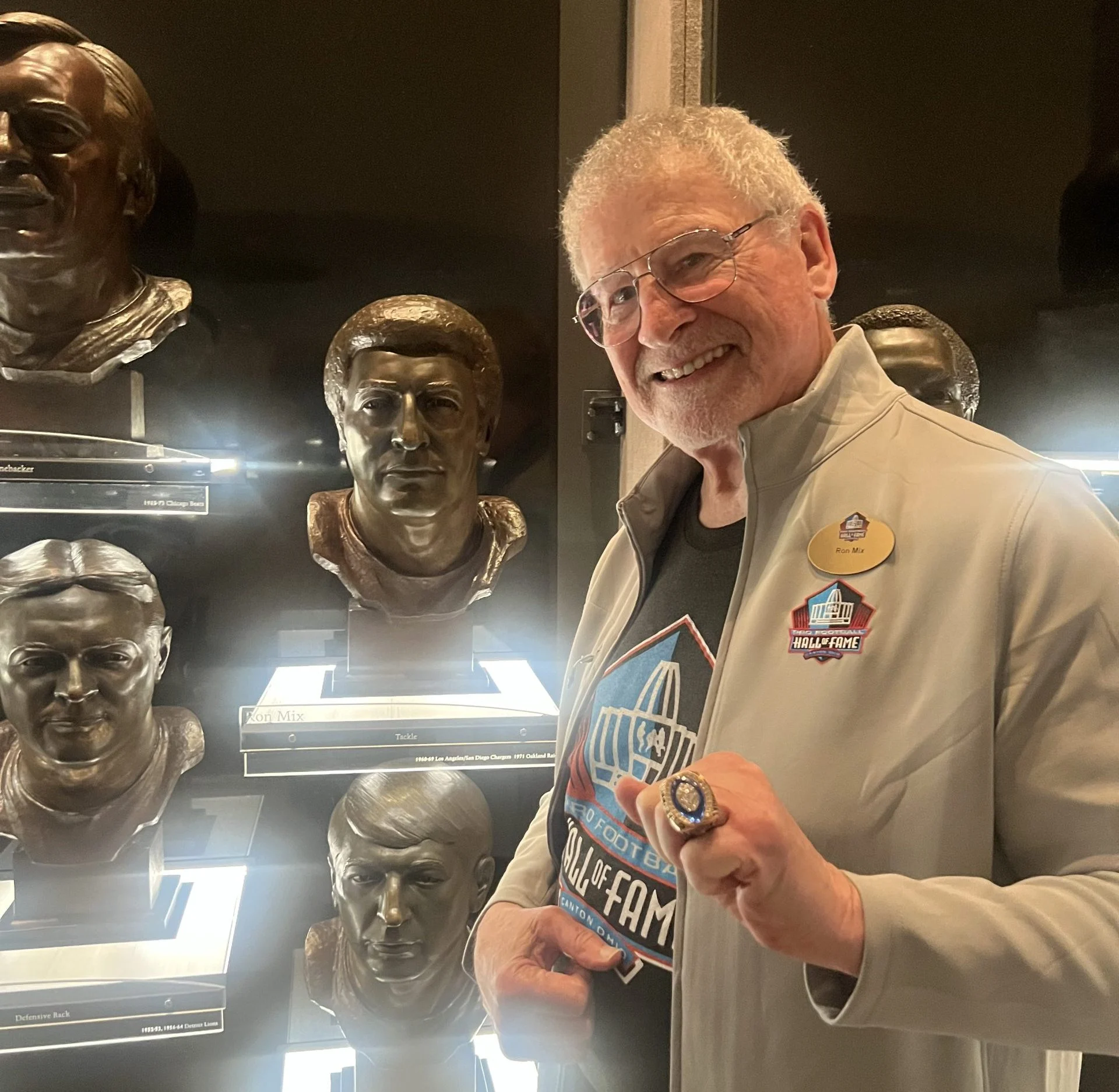
Few people understand those challenges better than Ron Mix. A Pro Football Hall of Fame inductee, former NFL player, attorney, and President of the Pro Football Retired Players Association, he has spent decades working with retired athletes from across professional sports. He has seen firsthand what helps former players thrive and what often creates problems.
His observations reveal several common mistakes athletes make after retirement, along with practical steps for avoiding them.
Waiting Too Long to Think About Life After Sports
One of the biggest mistakes athletes make is assuming there will always be more time to prepare.
Many athletes become so focused on the next season, the next game, or the next contract that they postpone thinking about the future.
“I remember sitting in a locker room during my playing days and hearing guys say they would figure things out after retirement,” Mix says. “The problem is that retirement often arrives faster than anyone expects. An injury, a roster change, or simply age can change everything.”
Research from the NCAA shows that only a small percentage of college athletes ever reach the professional level. Even among those who do, careers are often short.
The solution is simple. Athletes should begin planning while they are still competing. That might mean pursuing education, developing professional relationships outside sports, or exploring interests that could lead to future opportunities.
Making Their Entire Identity About Sports
Athletes often spend years being defined by their sport.
Routine, recognition, and a sense of purpose can become a major part of daily life. When competition ends, that identity can be difficult to replace.
“I’ve met former players who struggled because every conversation, every friendship, and every goal in their life revolved around football,” Mix says. “When the game ended, they felt like they had lost a piece of themselves.”
Studies on athletic retirement have consistently found that identity loss is one of the most common emotional challenges athletes face.
One way to reduce that risk is to build interests outside sports before retirement. Community involvement, education, business pursuits, writing, mentoring, and volunteer work can help create a broader sense of purpose.
Ignoring Long-Term Health
Many athletes become accustomed to playing through pain.
That mindset can help during a career, but it often creates problems later.
Former professional athletes experience higher rates of chronic pain, orthopedic issues, and other long-term health challenges than the general population. Research has also highlighted concerns about neurological health among some retired players.
“When I was playing, the expectation was simple. If you could get on the field, you played,” Mix says. “Years later, many athletes discover that injuries they thought were temporary never fully disappeared.”
Athletes should continue prioritizing their health after retirement. Regular medical evaluations, exercise, and proactive care can help address issues before they become more serious.
Failing to Build New Relationships
Professional sports naturally create strong social networks.
Teammates, coaches, trainers, and support staff become part of daily life. Retirement often changes those relationships.
Some former athletes find themselves disconnected from the communities that once surrounded them.
“One thing I noticed over the years is that the athletes who transition best are usually the ones who stay connected to people,” Mix says. “They continue learning, continue meeting people, and continue being part of something larger than themselves.”
Building relationships outside sports can create new opportunities and provide support during major life transitions.
Professional organizations, alumni groups, charitable activities, and mentorship programs can all help former athletes maintain meaningful connections.
Underestimating the Value of Mentorship
Many athletes receive coaching during their playing careers. Far fewer seek mentorship after retirement.
That can be a costly mistake.
Former athletes who have successfully navigated retirement often possess valuable knowledge about career changes, personal growth, and long-term planning.
“I tell younger players to find someone who has already lived through the transition,” Mix says. “You can learn more from a one-hour conversation with someone who has been there than from months of trying to figure everything out yourself.”
Mentorship works both ways. Retired athletes also benefit from mentoring younger players. Sharing experience often helps former athletes maintain purpose and stay engaged with the next generation.
Assuming Success Will Automatically Continue
Success in sports does not automatically translate to success in another field.
The skills that helped an athlete compete at a high level remain valuable, but they often need to be applied differently.
“The athletes who succeed after retirement understand that they are starting a new chapter,” Mix says. “They respect the learning process.”
Whether entering business, law, coaching, broadcasting, education, or another profession, former athletes benefit from approaching new challenges with humility and a willingness to learn.
The habits that drive long-term success remain remarkably similar. Preparation matters. Relationships matter. Consistency matters.
The Importance of Preparing for the Next Chapter
Retirement from sports is not the end of an athlete’s story. It is the beginning of a different one.
The athletes who navigate that transition most successfully tend to share a few common traits. They plan early. They maintain relationships. They continue learning. They take their health seriously. Most importantly, they understand that their value extends far beyond their playing career.
Looking back on decades spent in football, law, and athlete advocacy, Mix believes preparation remains the most important lesson.
“Football taught me many things,” he says. “One of the biggest was that every game eventually ends. What matters is whether you’ve prepared yourself for what comes next.”
For athletes approaching retirement, that preparation may be the difference between simply moving on and building a meaningful second act.