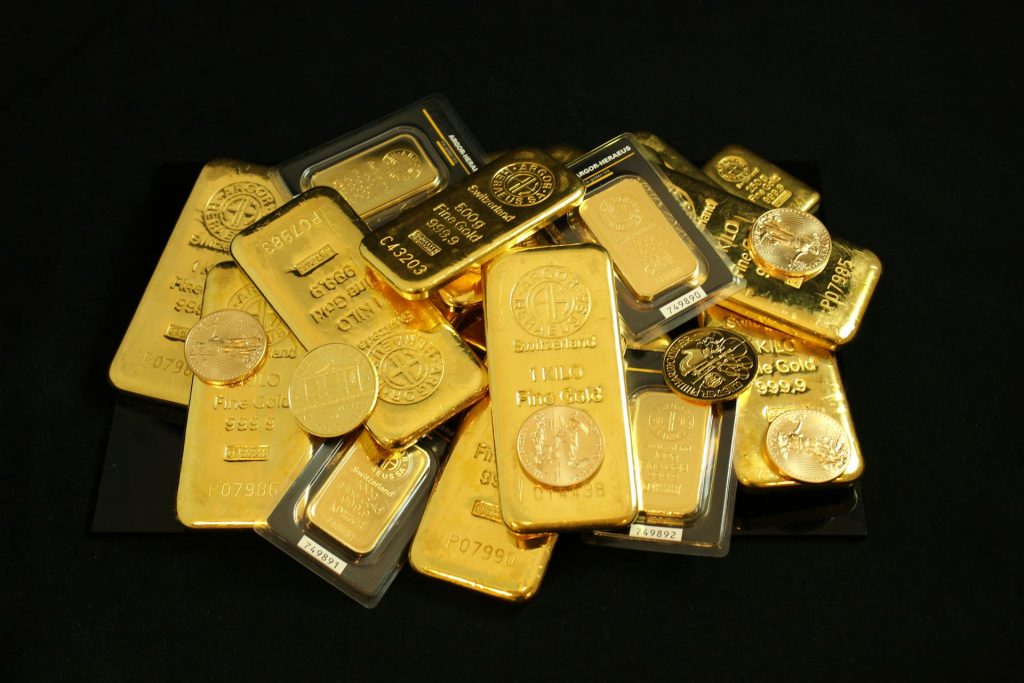
Precious metals such as gold, silver, platinum, and palladium continue to attract attention in 2025. They protect wealth against inflation and offer stability during uncertain economic times. Investors want assets that hold value, especially when the stock market faces ups and downs.
Unlike paper money, precious metals do not lose value easily. They also offer growth as technologies that use these metals expand. For anyone seeking a reliable firm for investing in gold, a visit to this trusted source can help answer questions and give guidance.
With global events affecting financial markets, more people now look to precious metals as safe and smart choices. Gold and silver remain popular, while platinum recently led with strong gains, proving their continued importance in investment portfolios.
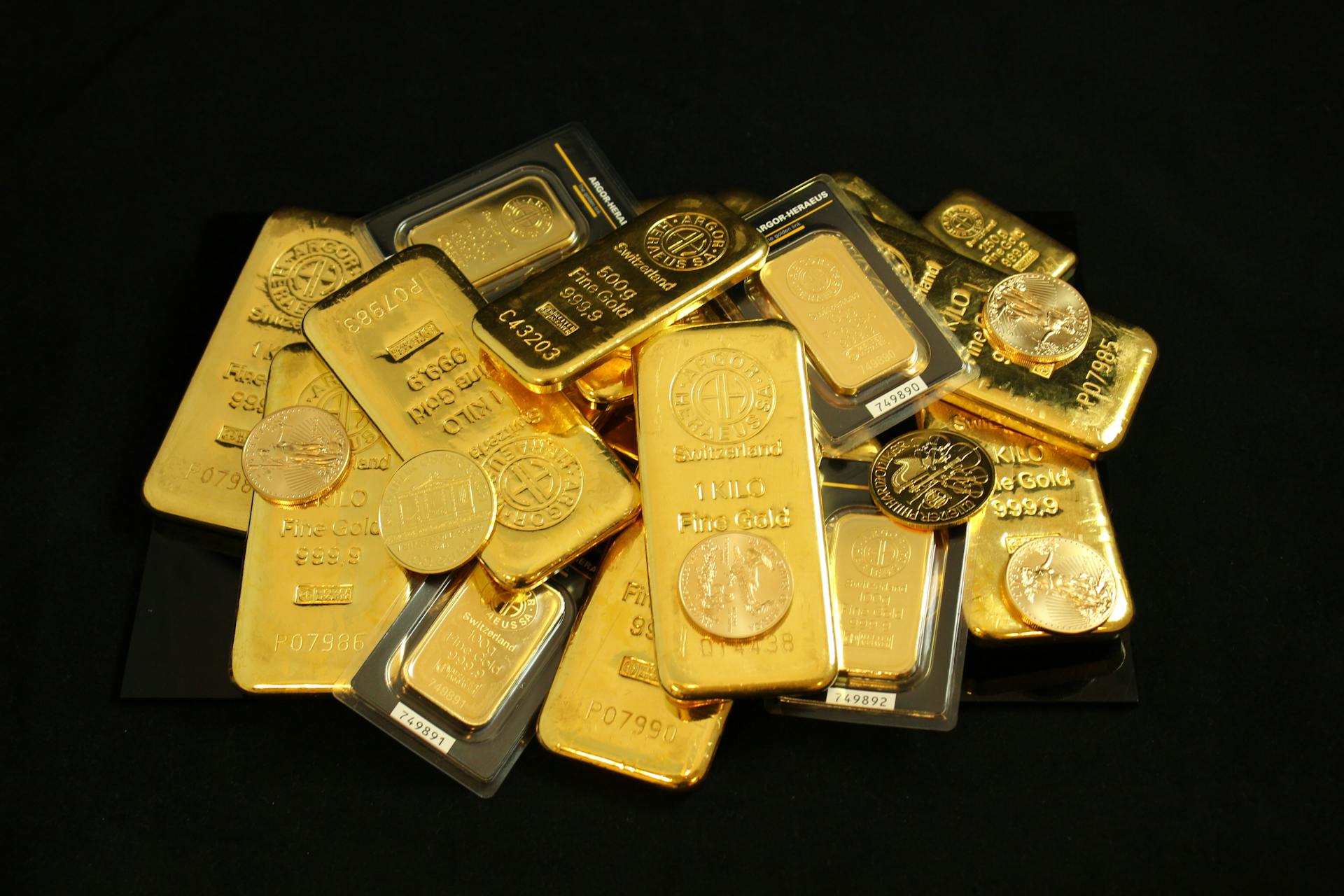
The 2025 Case for Precious Metals
Shifting global events and fast-changing financial markets bring new reasons to focus on precious metals in 2025. Investors continue to focus on gold, silver, platinum, and palladium because they serve unique roles during periods of high risk or uncertainty.
Safe Haven Status in Volatile Markets
Precious metals have a long track record as a safe place for money during times of market stress. As stocks and bonds fluctuate, gold and silver often maintain their value or even see price increases as traders seek protection.
Gold especially stands out in this regard. In past downturns, it has held its value better than many other assets. Silver also draws attention as a similar, but often more affordable option.
High inflation and changing interest rates add to the appeal. Many investors trust these metals to protect their savings from losing value as currency purchasing power drops.
Impact of Geopolitical Tensions and Economic Uncertainty
Conflicts between major world powers and policy shifts have shaken markets throughout 2025. These conditions cause fear of sudden price swings or losses in traditional investments, making precious metals more attractive.
Trade disputes, sanctions, and elections often drive up the prices of gold and silver. Uncertainty about debt, government budgets, and economic growth also encourages investors to buy metals for extra security.
Gold tends to move first as global risk rises. However, silver, platinum, and palladium can follow since their values also reflect both industrial demand and safe haven buying.
Performance of Gold, Silver, Platinum, and Palladium
Gold, silver, platinum, and palladium have seen different results so far this year. From January to June 2025, platinum outperformed the others by jumping almost 50%, from about $900 to $1,360 per ounce.
Gold also did well, rising by about 26% and passing the $3,100 mark. Silver trailed close behind, with a gain just below 25%. Palladium had more modest gains, mostly due to lower auto industry demand, as it is used heavily in vehicle emissions systems.
Price movements in these metals show that each one reacts differently to world events and market shifts. Having a mix can reduce risk and improve the odds of steady returns.
Role in Investment Portfolio Diversification
Adding precious metals can help lower overall risk in an investment portfolio. Stocks, bonds, and real estate react differently from metals, so losses in one area can be less severe when metals stay steady or rise.
Gold and silver often move up as other investments fall, which helps keep account balances from dropping too much during a crisis. Platinum and palladium also protect against swings—especially for investors hoping to balance both safety and growth.
A common approach includes holding 5% to 15% in precious metals. This creates a cushion during hard times while still letting the rest of the portfolio grow with the economy. This balance lets investors prepare for sudden changes without betting everything on one asset class.
Key Market Drivers and Strategic Insights for Investors
Gold and silver remain in the spotlight due to shifting prices, growing industrial demand, and changes in liquidity. Investors now watch both safe-haven value and new ways the metals get used across finance and industry.
Trends in Gold and Silver Prices
Gold price climbed above $3,350 per troy ounce in mid-2025, setting a record as investors looked for stability during economic uncertainty. Rising inflation, persistent global tensions, and monetary easing policies pushed more people toward gold as a safe-haven asset. Silver showed gains, too, supported by its unique role in both investment and manufacturing.
Volatility in both gold and silver prices increased as rapid policy changes and geopolitical events drew attention. However, gold’s reputation for holding value during crisis periods continued to attract cautious investors. Silver’s price is linked closely to industrial trends, so factory activity and tech innovation strongly influence its gains.
Most buyers focused on price movements across both metals, as even small shifts affected portfolio returns. Short-term fluctuations remained common, so investors balanced between long-term holding and tactical trading.
Industrial Demand and Supply Dynamics
Industrial demand shaped the supply landscape for precious metals in 2025. For silver, use in electronics, solar panels, and batteries created a steady demand that supported higher prices. Gold’s demand came mostly from investment and jewelry, but recent growth in use for electronics also affected its supply chain.
Factors such as mine output, recycling rates, and global trade shifts played a role. Efforts to produce cleaner energy added pressure to supply, especially for silver and platinum group metals. Production costs and labor disruptions increased, causing supply challenges in some regions.
China, India, and other large consumers fueled import activity. This made the market more sensitive to policy changes, tariffs, and changes to export rules. Stable supply remained a concern for both gold and silver, so markets paid close attention to any changes in mining or refining.
Investment Strategies and Liquidity
Investors in 2025 used a range of strategies to manage risk and capture returns. Many diversified across gold, silver, and other metals to avoid huge swings in any one asset. Physical bullion, exchange-traded funds (ETFs), and mining company shares gave investors different ways to access precious metals’ potential.
Liquidity mattered more as economic headlines and fast-moving events affected buying and selling. Gold markets stayed deep and active, making it easy to enter or exit positions. Silver’s market had less depth, so large trades sometimes caused price swings.
Interest in both short-term trades and long-term holdings remained strong. Investors weighed costs, storage, and taxes before choosing an approach. Many watched central bank moves and interest rates, since these factors tended to affect both liquidity and price direction in 2025.
Conclusion
Precious metals continue to hold real value in 2025. They serve as trusted stores of wealth, especially in periods marked by inflation or political tension.
Gold, silver, and platinum each have unique strengths. For example, gold often acts as a financial anchor, while silver offers added benefits through its use in industry.
Investors look to these metals not just for safety, but also for growth opportunities. As a result, they remain a key part of many strategies this year.