The world of artificial intelligence is rapidly changing how we see and create visual content. From intricate art pieces to practical innovations, AI is showing up in many places. This article looks at some amazing pics of AI, exploring how it’s used in art and beyond. We’ll see how computers can make art, how that affects human artists, and what this all means for the future.
Key Takeaways
- AI is creating new kinds of art, using computer programs to make images that look unique.
- These AI tools can help artists come up with new ideas or work with them to make art.
- There’s a lot of talk about who really makes AI art and if it’s truly original.
- People are using simple text to get AI to create complex pictures, which is pretty wild.
- AI’s role in art is still growing, and it’s changing how we think about creativity and pictures.
Exploring the Visual Wonders of AI Art
AI-Generated Art: A New Creative Frontier
Artificial intelligence is opening up entirely new ways to create and look at visual works. It’s a mix of complex computer programs and artistic ideas. As we explore this blend, it’s clear that AI tools can produce a wide range of art styles. We’re seeing everything from pictures that look incredibly real to abstract designs that make you think.
Many AI art platforms let people type in ideas or describe styles they like. The AI then uses this information to create unique images that might not have been thought of by a person alone. It’s quite interesting to see how creativity and technology work together. AI can interpret themes in unexpected ways, which can spark new ideas for artists and enthusiasts alike. If you’re curious about getting started, trying out some AI art generators is a good way to explore different art movements and styles, like impressionism or surrealism, seen through the AI’s perspective. This can offer fresh viewpoints.
AI art is transforming how we create and appreciate visual works, blending advanced algorithms with artistic expression.
Understanding the Mechanics of AI Art Creation
AI art is made using computer programs that analyze large amounts of data. These programs then create unique pieces that challenge what we usually think of as creativity. Tools like AI image generators allow users to type in simple text descriptions. The AI then interprets these words and turns them into a wide variety of visual outputs. Essentially, these systems are programmed with algorithms that help them produce images, music, or even poetry. They learn by studying existing artwork, identifying patterns, styles, and techniques, which are then incorporated into their own creative process. Artists can guide these algorithms by providing specific restrictions or topics to work on, leading to a collaborative creation.
Here’s a simplified look at how it works:
- Data Input: The AI is fed a vast dataset of images and text descriptions.
- Pattern Recognition: Algorithms analyze this data to understand styles, objects, and relationships.
- Prompt Interpretation: When given a text prompt, the AI uses its learned patterns to generate a new image.
- Image Generation: The AI creates a visual output based on the prompt and its training.
Diverse Styles and Artistic Expressions
The range of artistic styles that AI can produce is truly remarkable. It’s not limited to one type of look or feel. AI can mimic historical art movements with surprising accuracy, or it can blend styles in ways that are completely novel. This ability allows for a broad spectrum of artistic expression, from photorealistic portraits that are hard to distinguish from actual photographs, to abstract pieces that explore color and form in dynamic ways. The technology is constantly evolving, pushing the boundaries of what’s visually possible. This opens up exciting new avenues for creators, allowing them to experiment beyond traditional limits and explore innovative ideas. The impact of AI on artistic expression is significant, and it’s fascinating to see how independent fashion labels are also finding unique ways to express themselves through creative technology.
AI’s Impact on Artistic Innovation
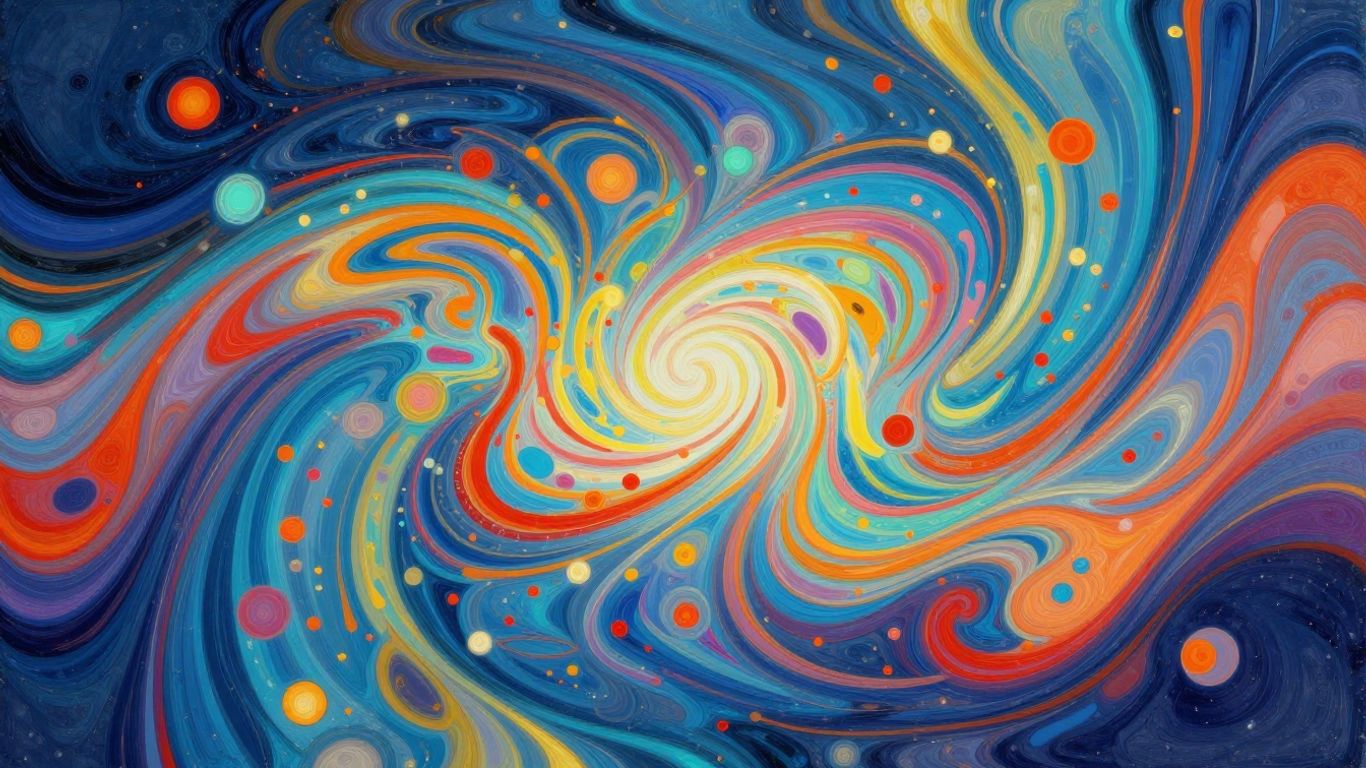
It’s hard not to notice how the growth of AI in art has made the boundary between what a person does and what a machine creates pretty murky. Artists are now exploring techniques that involve both code and intuition, sometimes feeding a simple idea or prompt into an algorithm and ending up with a piece that feels strangely human. This raises real questions: Who is the artist? Can a program have a creative voice, or is it just a tool? AI doesn’t just copy—it’s actually being trained to surprise us, making new connections and visuals we wouldn’t likely invent on our own.
- Some artists use AI for initial sketches or concepts
- Others hand over almost the whole process to algorithms and edit the results
- Audiences are left puzzling over what, or who, counts as the true creator
One thing is clear: What used to be a clean line between human imagination and computer output is now more like a watercolor smear, and that’s making everyone rethink what "creativity" really means.
AI as a Collaborative Partner for Artists
Many artists don’t see AI as a threat, but rather as a partner with a different skillset. By working with AI, creators can push their work in new directions, testing boundaries they might never have crossed alone. Imagine feeding a few lines of poetry or an abstract idea into a program, then seeing it return something odd and beautiful. That’s often just the beginning. The human takes over from there—editing, curating, and building on top of what the AI provides. Sometimes the artist writes a bit of code and then reacts to unexpected glitches or "mistakes," turning the process into a back-and-forth much like having a conversation.
Some common ways artists collaborate with AI:
- Generating dozens of quick sketches and picking the best to finish by hand
- Using AI to combine images or styles that would be tedious or impossible manually
- Letting algorithms introduce new textures or patterns to traditional media
Challenging Traditional Notions of Artistry
With computers starting to participate so much in creative work, classic ideas about what makes art "authentic" are up for debate. Is the human still the artist if an algorithm produced 90% of the picture? What if the prompt itself was the true work? AI-generated art often leaves people feeling excited, confused, or even a little threatened. There’s a strong discussion among artists and critics about:
| Debate Point | Traditional Art | AI-Generated Art |
|---|---|---|
| Authorship | Clear | Often unclear |
| Originality | Human technique | Algorithmic remixing |
| Skill Recognition | Manual craft | Coding/curation |
| Emotional Impact | Direct experience | Sometimes unpredictable |
People still argue about what counts as "real art," but there’s no denying that AI has started a new conversation. Instead of dismissing AI work as inferior, many recognize that our definition of art is stretching, and the art world is looking very different because of it.
The Evolving Landscape of AI-Generated Images
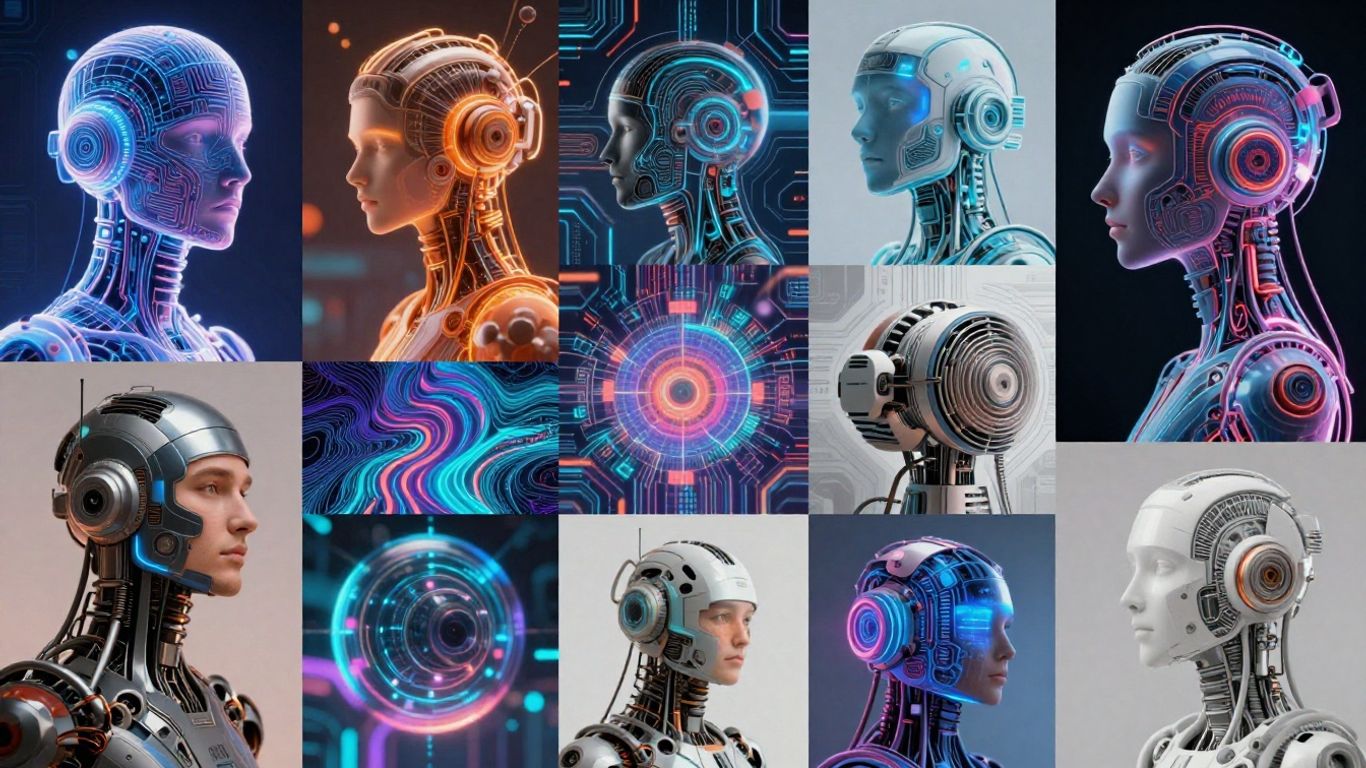
From Text Prompts to Stunning Visuals
It’s pretty amazing how quickly AI image generation has changed. Not too long ago, creating visuals with AI often meant feeding complex code or data into a system. Now, things are much more accessible. The biggest shift has been the rise of text-to-image generation. You simply type a description – like "a serene forest at dawn with mist rising" – and the AI conjures up a picture based on your words. This makes it possible for almost anyone to bring their ideas to life visually, without needing traditional artistic skills.
This process typically involves a few steps:
- Inputting a Prompt: This is your text description of what you want to see.
- AI Interpretation: The AI analyzes your words, understanding concepts, objects, styles, and moods.
- Image Generation: Using vast datasets of images and their associated text, the AI constructs a new visual representation.
- Refinement (Optional): Many tools allow for further tweaking, like adjusting the aspect ratio or adding negative prompts to exclude certain elements.
This evolution means that the barrier to entry for visual creation has dramatically lowered. It’s less about mastering a brush or chisel and more about mastering the art of description.
AI’s Role in Inspiring New Ideas
Beyond just creating images from prompts, AI is becoming a powerful muse. Artists and designers are finding that AI can present them with visual concepts they might never have considered on their own. By generating variations on a theme or combining disparate ideas in unexpected ways, AI can spark new directions for creative projects. It’s like having a brainstorming partner that never runs out of novel suggestions.
Think about it: an AI might combine the architectural style of ancient Rome with the aesthetic of a cyberpunk city, leading to a completely fresh visual concept. This ability to remix and reimagine existing styles and themes is a significant contribution to the creative process.
The rapid development of AI image tools has democratized visual creation, allowing for rapid prototyping of ideas and exploration of aesthetic possibilities that were previously time-consuming or impossible.
The Future Potential of AI in Visual Arts
Looking ahead, the potential for AI in visual arts is vast. We’re likely to see even more sophisticated tools that offer greater control and nuance. Imagine AI that can not only generate an image but also animate it, create 3D models, or even adapt its style based on a live emotional input from a user. The collaboration between human creativity and artificial intelligence is set to redefine what’s possible in art and design, pushing boundaries in ways we’re only just beginning to understand.
Navigating the World of AI Art
AI-generated art is changing how we think about creativity and visual expression. It’s a new space, and figuring out how to engage with it can feel a bit like exploring uncharted territory. But don’t worry, it’s more accessible than you might think. The key is to approach it with curiosity and a willingness to experiment.
Experimenting with AI Art Tools
Getting started with AI art is easier than ever. Many platforms are designed for users of all skill levels. You typically begin by providing a text description, often called a "prompt," detailing what you want the image to look like. The AI then interprets this prompt and generates visuals based on its training data.
Here’s a general idea of how it works:
- Choose a Tool: Select an AI art generator. Popular options include Midjourney, DALL-E 3, and Stable Diffusion, each with its own interface and capabilities.
- Craft Your Prompt: Write a descriptive text prompt. Be specific about subjects, styles, colors, and moods. For example, instead of "a cat," try "a fluffy ginger cat sitting on a windowsill, bathed in warm afternoon sunlight, in the style of impressionism."
- Generate and Refine: The AI will produce several images. You can then iterate by tweaking your prompt, adding negative prompts (things you don’t want), or using features like image-to-image generation.
- Explore Styles: Experiment with different artistic styles. Try prompts like "a futuristic cityscape in a cyberpunk style" or "a serene forest landscape in a watercolor technique."
Appreciating Computer-Generated Masterpieces
As you explore AI art, you’ll encounter a wide range of creations. Some might look like traditional paintings, while others are abstract or surreal. It’s helpful to remember that these images are the result of complex algorithms processing vast amounts of existing visual data. They can surprise us with their detail, composition, and unexpected interpretations.
When looking at AI art, consider:
- The Prompt’s Influence: How well did the AI interpret the user’s text description?
- Artistic Merit: Does the image evoke emotion, tell a story, or present an interesting aesthetic?
- Technical Skill: Observe the composition, color palette, and detail. AI can achieve remarkable technical feats.
AI art challenges our traditional views of creativity. It’s not just about the final image, but also the process of guiding the AI and the unique output that emerges from this human-machine collaboration. This new form of expression invites us to reconsider what art can be.
The Growing Fascination with AI and Creativity
It’s clear that AI’s role in art is sparking a lot of interest. People are fascinated by the potential for new forms of expression and the ways technology can augment human imagination. This fascination is driving innovation and leading to more sophisticated tools and artistic approaches. As the technology continues to develop, we can expect even more surprising and thought-provoking visual creations to emerge.
Key Considerations in AI Art
As artificial intelligence continues to influence how we create, view, and share art, a lot of interesting questions come up. It’s not just about the new visuals we see, but also about how we think about authorship, originality, ethics, and even what makes something "art" in the first place.
Authorship and Originality Debates
Who really gets credit for AI-generated art? If someone uses an AI tool to create a painting, there’s an argument to be made about who owns the final image. Maybe it’s the person who typed in the prompts, the company that built the software, or even the algorithm itself. Here are some points often discussed:
- The prompt creator: They guide the process, but don’t draw the image themselves.
- The AI developer: They built the tool, but usually don’t interact with every artwork.
- The machine: It outputs the result, but can’t legally own property… for now.
This leads to questions about originality. For example, if an AI is trained on loads of previous artworks, is anything it makes truly new?
| Who Makes the Art? | Typical Role | Legal Owner (Current)* |
|---|---|---|
| Human Artist | Creator, director | Human Artist |
| AI Prompt User | Idea provider | User (maybe)** |
| Algorithm/Software | Generates result | Company/Software Dev |
*Varies by country; **Legal gray area in some locations
The debate around who holds the "right" to AI art is ongoing, making the digital art world a lot more complicated than just painting on a canvas.
Ethical Questions Surrounding AI Creations
If AI can make art, what are the ethical limits?
- Should AI-generated works copy living artists’ styles?
- Is it fair to monetize images that use data from thousands of real creators?
- Could AI fuel plagiarism or loss of human jobs in creative fields?
Some people enjoy the convenience and new looks that AI creates. Others worry it removes human touch and leads to "cookie cutter" content.
The Role of Algorithms in Artistry
You don’t need to understand every math detail behind AI to enjoy the results, but algorithms have a huge say in what’s produced. Here’s what goes on:
- Algorithms scan and learn from a library of existing images.
- They pick up on patterns, color schemes, and common forms.
- The AI then recombines these patterns into something that looks fresh, but is shaped by its training set.
This means that every artwork made by AI is as much about the data it learns from as anything else.
In the world of AI art, algorithms act as invisible collaborators, shaping each image according to both rules and chance, leaving room for wonder—and plenty of disagreement—about what’s truly creative.
Looking Ahead
As we’ve seen, artificial intelligence is really changing the game when it comes to art and innovation. From mind-bending visuals to new ways of thinking about creativity, AI is opening up a lot of doors. It’s a tool that artists and creators are starting to use in all sorts of interesting ways, pushing boundaries and sparking new ideas. While there are still questions about how it all fits together, one thing is clear: AI is here to stay, and its impact on how we create and experience the world around us is only just beginning. It’s an exciting time to watch this space develop.
Frequently Asked Questions
What exactly is AI art?
AI art is basically pictures or designs made with the help of computer programs called artificial intelligence. Think of it like a super-smart tool that artists can use to create new and exciting images. These programs learn from lots of existing art and then help make something totally new.
Can AI really be creative like a person?
That’s a big question people are still discussing! AI can create amazing visuals by following instructions and learning patterns. While it doesn’t have feelings like humans, it can produce surprising and beautiful results that spark new ideas, making it a unique kind of creativity.
How do you make AI art?
Usually, you give the AI program a description in words, like ‘a cat wearing a hat in space.’ The AI then uses what it learned to create an image based on your words. It’s like telling a story and the AI draws it for you!
Who is the artist when AI makes the art?
This is a tricky part! Some people think the person who wrote the description is the artist, while others believe the AI itself plays a role. It’s a new kind of teamwork between humans and computers, and the rules are still being figured out.
Is AI art going to replace human artists?
Most experts don’t think AI will completely replace human artists. Instead, AI is seen as a new tool that artists can use to explore different styles and create things they couldn’t before. It’s more about working together than one replacing the other.
What are some cool things AI art can do?
AI art can create pictures in almost any style you can imagine, from realistic photos to cartoonish drawings or abstract designs. It can help artists come up with new ideas, create visuals for stories, or even design things like buildings and clothes. It’s opening up a whole new world of visual possibilities.