
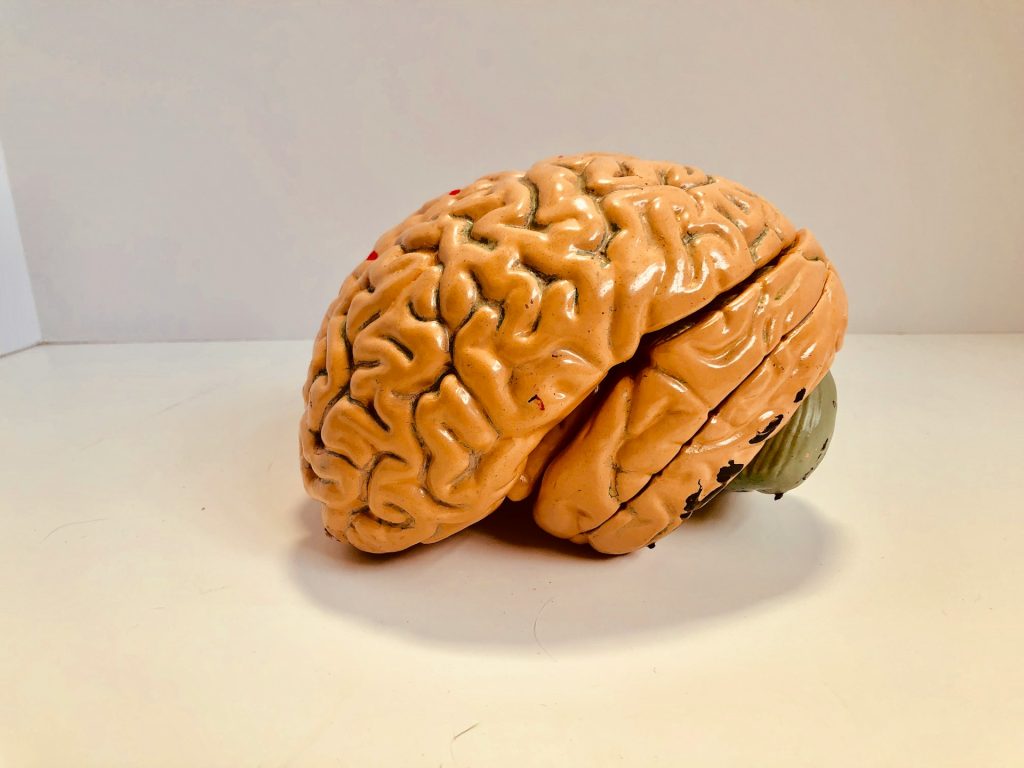
Psychology has traditionally focused on studying behavior, cognition, and emotion through structured research methods and clinical approaches. These frameworks have provided invaluable insights into human development, mental health, and social interaction.
As understanding deepens, many practitioners and researchers are turning toward holistic psychology, a field that seeks to integrate multiple perspectives to better understand the whole person. By combining modern research with broader perspectives on mind, body, and environment, holistic psychology offers new ways of approaching human well-being.

Exploring Integrative Institutions and Thought Leadership
Holistic psychology is gaining recognition through the work of forward-thinking institutions and educators. Many programs are exploring how psychological science can intersect with spiritual traditions, somatic practices, and systems thinking to create more comprehensive frameworks. For those seeking structured educational opportunities, it can be useful to look into the Integrative Psychology Institute and other organizations that focus on blending evidence-based research with alternative therapeutic models. These institutions often emphasize interdisciplinary learning, drawing from neuroscience, mindfulness, philosophy, ecology, and cultural studies.
Students and practitioners trained in this approach are encouraged to see individuals not only as subjects of treatment but as complex beings influenced by internal states, social structures, and environmental systems. By learning from diverse fields, holistic psychology expands the traditional boundaries of psychological education and practice.
Rethinking the Mind-Body Connection
One of the central principles of holistic psychology is the recognition of the mind-body connection. Traditional Western psychology has often treated mental and physical health as separate domains, but research increasingly shows that emotional well-being and physiological processes are deeply intertwined. Stress can trigger hormonal changes that affect immunity, digestion, and cardiovascular health, while regular physical activity can improve mood and cognitive function.
Holistic approaches emphasize practices that strengthen this connection, such as mindfulness, yoga, breathwork, and somatic therapies. These methods focus on the body as a source of information and healing rather than treating it as secondary to mental processes. By incorporating physical awareness and regulation techniques into psychological practice, therapists can help clients address issues at multiple levels simultaneously.
Integrating Cultural and Spiritual Perspectives
Cultural and spiritual frameworks have long shaped how people understand and experience mental health. Holistic psychology acknowledges that no single model can fully capture the diversity of human experience. Integrating cultural and spiritual perspectives allows for more personalized and meaningful therapeutic approaches in multicultural societies.
Practitioners who adopt this mindset consider clients’ belief systems, traditions, and community structures when developing treatment plans. Whether through meditation practices, indigenous healing traditions, or community rituals, these perspectives provide alternative routes to understanding identity and emotional resilience. By embracing a more inclusive framework, holistic psychology fosters therapeutic relationships built on respect, curiosity, and shared exploration.
Emphasizing Systems Thinking and Environmental Context
Human behavior doesn’t occur in isolation; it’s shaped by broader environmental and systemic factors. Holistic psychology encourages practitioners to view individuals within their ecosystems, including family dynamics, social structures, cultural norms, and physical surroundings. This systems-oriented perspective moves beyond diagnosing symptoms to understanding root causes and patterns that emerge from complex interactions.
Issues like anxiety or depression might be influenced by workplace stress, socioeconomic pressures, or community structures. By identifying these contextual factors, practitioners can help clients address both personal coping strategies and systemic barriers. This comprehensive view leads to interventions that are more accurate and more sustainable.
Blending Traditional Therapies With Alternative Modalities
While holistic psychology embraces broader perspectives, it does not reject traditional therapies. Instead, it seeks to combine evidence-based methods with complementary modalities for a more balanced approach. Techniques such as cognitive-behavioral therapy, psychodynamic exploration, and interpersonal interventions can be enhanced by practices like mindfulness, expressive arts, or nature-based therapies.
This blending allows practitioners to tailor treatment to each individual’s needs, preferences, and cultural background. A client dealing with trauma may benefit from both structured exposure therapy and somatic grounding techniques. A person seeking personal growth might combine talk therapy with meditation or creative expression. This flexible approach reflects a growing understanding that no single method works for everyone.
Moving Toward Holistic Practice in Everyday Life
Holistic psychology is not limited to clinical settings, it can be applied in everyday life. Individuals can adopt holistic principles by paying attention to how their physical, emotional, and social worlds interact. This might involve establishing mindful daily routines, engaging with community groups, exploring creative outlets, or connecting more deeply with nature. These practices cultivate resilience, self-awareness, and a greater sense of meaning.
Organizations and educational institutions are beginning to adopt holistic frameworks, recognizing the benefits of supporting mental health through wellness programs, community engagement, and integrated support services. As more people embrace these perspectives, holistic psychology is likely to play a growing role in shaping how society understands and supports mental well-being.

Holistic psychology offers a powerful shift in how mind and behavior are understood. By integrating research, cultural wisdom, body-based practices, and environmental awareness, this approach provides a richer, more inclusive framework for mental health and human development. As interest continues to grow, holistic psychology stands as a bridge between traditional psychological science and emerging perspectives that honor the full complexity of human life.

A dad of 3 kids and a keen writer covering a range of topics such as Internet marketing, SEO and more! When not writing, he’s found behind a drum kit.










