The world of health care is always changing, and a big part of that change comes from new medical technology. We’re seeing things like computers that can think, ways to tailor treatments just for you, and devices that help us stay healthy from our own homes. It’s pretty amazing how these tools are making care better and more accessible for everyone. Let’s look at some of the coolest stuff happening right now and what might be coming next in medical technology.
Key Takeaways
- Genomics and precision medicine are allowing doctors to create treatments specifically for a person’s genetic makeup, moving away from one-size-fits-all approaches.
- Artificial intelligence is helping doctors make better diagnoses, run hospitals more smoothly, and plan surgeries with more accuracy.
- New imaging tools, often powered by AI, can see inside the body with more detail and safety, leading to quicker and more accurate diagnoses.
- Digital therapeutics are software programs that act as treatments, especially for ongoing health issues and mental health, making care more available.
- Wearable devices are letting people keep a close eye on their health day-to-day, helping manage long-term conditions and spot problems early.
The Rise of Personalized Medicine Through Genomics
Understanding Precision Medicine’s Core Principles
Precision medicine is changing how we think about healthcare. Instead of a one-size-fits-all approach, it focuses on tailoring treatments and prevention strategies to each person. This means looking at a combination of factors unique to you: your genetic makeup, your environment, and your lifestyle. By understanding these individual differences, doctors can make more informed decisions about the best course of action for your health. This shift is moving us away from treating diseases based on broad population trends and towards a more patient-centered model where your specific biological information guides care.
Pharmacogenomics: Tailoring Treatments to Your Genes
Pharmacogenomics is a key part of precision medicine. It’s the study of how your genes affect your response to medications. Think about it: two people might take the same drug for the same condition, but have very different reactions. One might find it works wonders, while the other experiences unpleasant side effects or finds it doesn’t work at all. Pharmacogenomics helps predict these differences. By analyzing your genes, doctors can figure out the right medication and the right dose for you, making treatments safer and more effective. This is especially important in areas like cancer treatment, where specific genetic mutations in tumors can be targeted with specialized therapies.
Advancements in Genomic Sequencing for Early Detection
Genomic sequencing technology has come a long way. It’s faster and more affordable than ever before, opening up new possibilities for healthcare. One exciting area is newborn screening. While standard tests look for common conditions, advanced genomic sequencing can identify a wider range of treatable genetic disorders right from birth. This early detection can lead to timely interventions that significantly improve a child’s long-term health. Beyond newborns, rapid genomic sequencing is also being used in critical care settings. In some cases, diagnoses can be made in under eight hours, allowing doctors to start the most appropriate treatment much sooner, potentially saving lives and avoiding unnecessary tests. This technology is also helping us understand disease risks before symptoms even appear, paving the way for proactive health management.
Artificial Intelligence Transforming Medical Insights
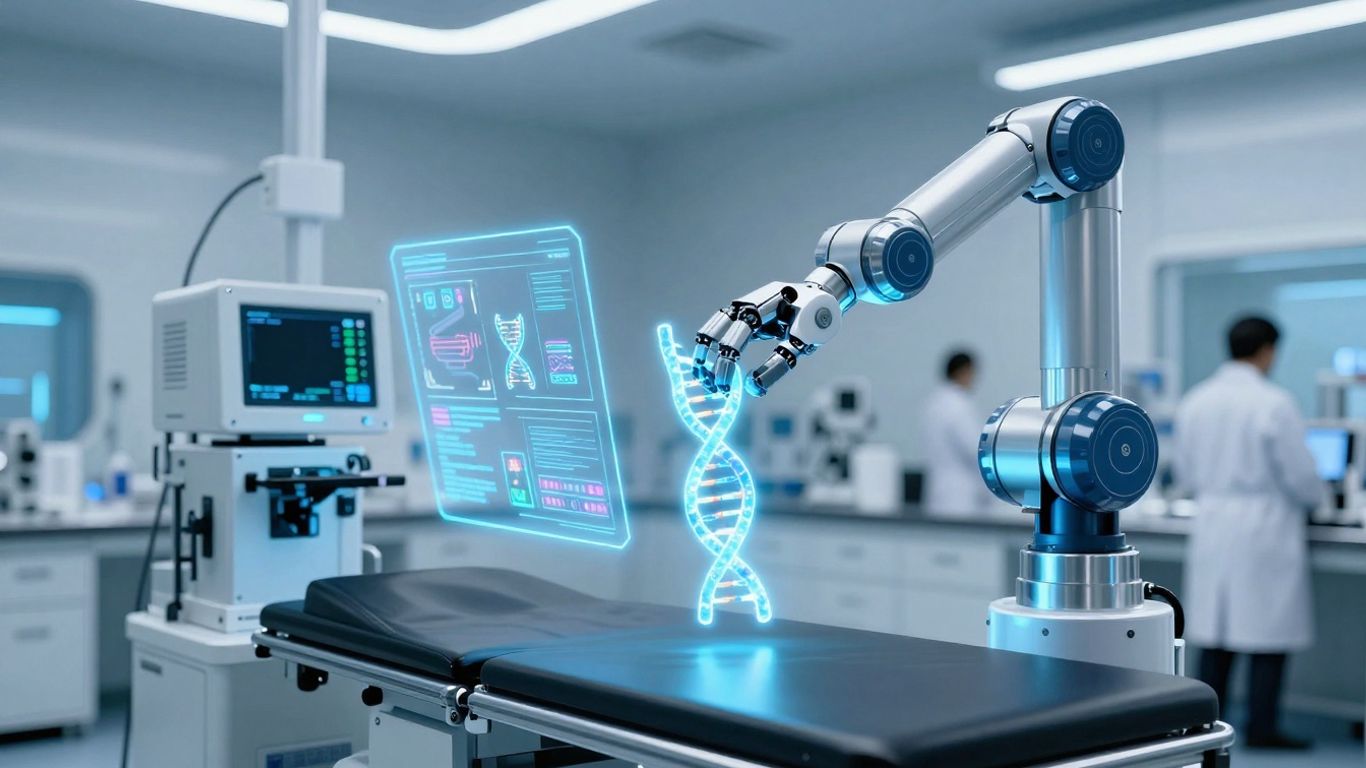
Artificial Intelligence (AI) is really changing how we look at medical information, making things smarter and more precise. It’s not just about computers crunching numbers anymore; AI is becoming a partner in healthcare, helping doctors and researchers find patterns and make better decisions. Think of it as giving our medical professionals super-powered tools to see things they might have missed before.
AI-Enhanced Diagnostic Accuracy
One of the biggest areas where AI is making a difference is in diagnosing illnesses. AI systems can look at huge amounts of patient data, including scans, lab results, and medical histories, to spot signs of disease. This ability to process vast datasets quickly helps in identifying conditions earlier and more accurately than ever before. It’s like having an extra set of eyes that never get tired and can recall every case it’s ever seen.
- Pattern Recognition: AI algorithms are trained to recognize subtle patterns in medical images, like X-rays or MRIs, that might be too small or complex for the human eye to detect consistently.
- Predictive Analytics: By analyzing patient data, AI can help predict the likelihood of certain diseases developing, allowing for proactive interventions.
- Reduced Errors: AI can act as a second check, reducing the chance of human error in diagnosis, which is especially important in complex cases.
AI’s role in diagnostics isn’t about replacing doctors, but about giving them better information and tools. This collaboration leads to more confident diagnoses and, ultimately, better patient care.
Streamlining Operations with Intelligent Automation
Beyond direct patient care, AI is also working behind the scenes to make healthcare systems run more smoothly. Think about all the paperwork and administrative tasks involved in running a hospital or clinic. AI can automate many of these processes, freeing up healthcare professionals to spend more time with patients.
- Automated Documentation: AI can help with tasks like transcribing doctor’s notes or filling out patient records, cutting down on administrative burden.
- Optimized Scheduling: Intelligent systems can manage appointment scheduling, staff rotas, and resource allocation to improve efficiency and reduce wait times.
- Supply Chain Management: AI can predict demand for medical supplies and manage inventory, preventing shortages and reducing waste.
AI in Surgical Precision and Planning
Surgery is another area where AI is showing incredible promise. AI can assist surgeons before, during, and after an operation. It can help plan the best approach for a surgery based on a patient’s specific anatomy and condition, and even provide real-time guidance during the procedure itself.
- Pre-operative Planning: AI can create detailed 3D models from scans, allowing surgeons to practice complex procedures virtually and identify potential challenges.
- Real-time Guidance: During surgery, AI can analyze live video feeds and patient data to offer insights and warnings to the surgical team.
- Post-operative Analysis: AI can help monitor patient recovery and identify any potential complications early on.
Revolutionizing Diagnostics with Advanced Imaging
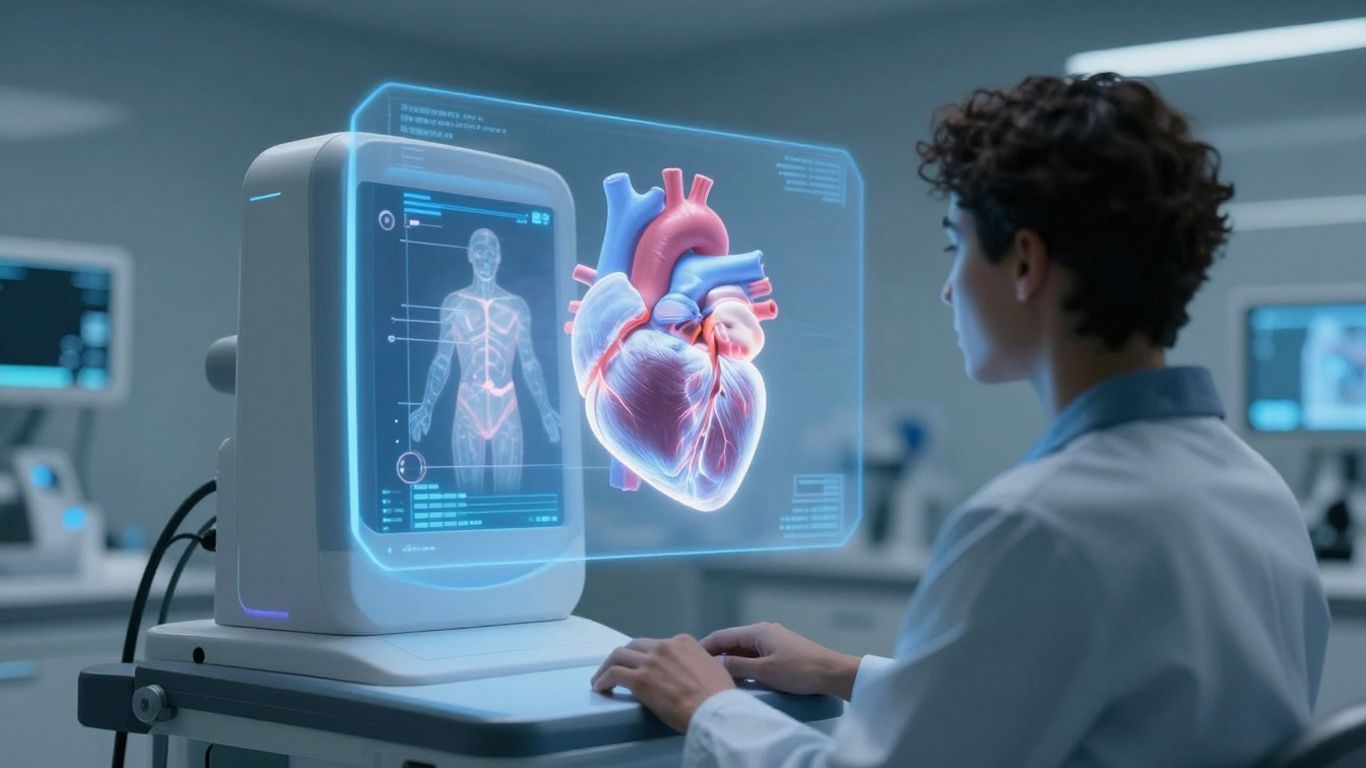
Medical imaging has seen some pretty big leaps lately, making it easier and faster to figure out what’s going on inside us. Think clearer pictures, quicker scans, and less radiation. It’s all about getting a better look so doctors can make smarter decisions about our health.
AI’s Role in Interpreting Medical Images
Artificial intelligence is becoming a real partner for radiologists. It can sift through huge amounts of imaging data, spotting tiny details that might be missed by the human eye. This means catching things like early-stage cancers or other anomalies much sooner. AI algorithms are trained on vast datasets, allowing them to recognize complex patterns that indicate disease. This doesn’t replace the expert radiologist, but it acts as a powerful second set of eyes, improving the overall accuracy and speed of diagnosis.
Next-Generation Imaging Modalities for Better Clarity
We’re seeing new types of imaging technology emerge that offer incredible detail. Things like photon-counting CT scanners and advanced MRI machines are providing sharper images than ever before. These newer methods can often show different tissue types more distinctly, helping doctors tell the difference between healthy and unhealthy areas with greater confidence. Some of these technologies also manage to do this while using less radiation, which is a win for patient safety.
Faster and Safer Scanning Techniques
Patient comfort and safety are also getting a boost. Modern MRI machines, for instance, are designed to scan much faster. This means less time spent in the scanner, which is great for anyone who finds it uncomfortable to stay still for long periods. Plus, these faster scans often come with improved resolution, giving doctors the detailed views they need without compromising on safety or increasing radiation exposure. It’s a balance that’s getting better all the time.
The integration of advanced imaging techniques, supported by AI, is fundamentally changing how we detect and understand diseases. This shift allows for earlier interventions and more tailored treatment plans, ultimately leading to better patient outcomes and a more efficient healthcare system.
Digital Therapeutics: Bridging Care Gaps
Digital therapeutics, or DTx, are software programs designed to treat medical conditions. Think of them as prescription-strength apps that you use on your phone, tablet, or computer. They’re really changing how we approach healthcare, especially for long-term illnesses and mental health. These aren’t just general wellness apps; they’re evidence-based tools that have gone through rigorous testing and often require a doctor’s prescription.
Software-Based Treatments for Chronic Conditions
Managing chronic diseases like diabetes, heart disease, or even chronic pain can be a daily challenge. Digital therapeutics offer a new way to help. They can provide personalized coaching, track your progress, and give you feedback in real-time. For example, an app might help you monitor your blood sugar levels, suggest meal plans based on your data, and remind you to take your medication. Some DTx even use cognitive behavioral therapy (CBT) techniques to help patients manage pain or change unhealthy habits.
- Personalized Feedback: Receive tailored advice based on your specific health data.
- Behavioral Change Support: Tools and prompts designed to help you stick to treatment plans.
- Progress Tracking: Easily see how you’re doing over time, which can be very motivating.
- Remote Monitoring Integration: Data can often be shared with your doctor, allowing for more informed care.
Enhancing Mental Healthcare Accessibility
Getting mental health support can be tough. There can be long waitlists, stigma, and cost barriers. Digital therapeutics are stepping in to fill these gaps. Many DTx focus on mental health conditions like depression, anxiety, and insomnia. They can deliver therapy sessions, mindfulness exercises, and coping strategies directly to patients. This means you can access support whenever and wherever you need it, which is a big deal for people who might not otherwise seek help.
The convenience and privacy offered by digital therapeutics can significantly lower the hurdles individuals face when seeking mental health assistance, making care more attainable for a broader population.
The Role of AI in Digital Therapeutic Evolution
Artificial intelligence is making digital therapeutics even smarter. AI can analyze vast amounts of patient data to personalize treatments even further. It can predict when a patient might be at risk of a health setback and alert them or their doctor. AI can also help refine the therapeutic content itself, making it more effective over time. This means DTx can adapt to your changing needs, offering a dynamic and responsive approach to care.
- Predictive Analytics: AI identifies patterns to anticipate potential health issues.
- Adaptive Treatment: DTx adjust their approach based on individual responses.
- Automated Support: AI-powered chatbots can provide immediate assistance and answer common questions.
- Clinical Decision Support: AI can help clinicians interpret DTx data for better patient management.
Wearable Technology for Proactive Health Management
Continuous Monitoring for Chronic Disease Management
Wearable devices have become quite common, and they’re doing more than just counting steps these days. For people managing chronic conditions, these gadgets are a game-changer. Think about it: instead of just checking in with your doctor every few months, you can have devices that constantly keep an eye on things like heart rate, blood sugar levels, or even your sleep patterns. This continuous stream of data gives doctors a much clearer picture of how a condition is progressing and how well a treatment is working. It means potential problems can be spotted much earlier, sometimes before the person even feels symptoms.
- Heart Rate and Rhythm Monitoring: Devices can detect irregular heartbeats like atrial fibrillation, alerting users and their doctors to potential risks.
- Blood Glucose Tracking: Non-invasive or minimally invasive sensors can provide real-time glucose readings, helping individuals with diabetes manage their condition more effectively.
- Respiratory Rate and Oxygen Saturation: Useful for individuals with lung conditions, these sensors can flag issues that might require immediate attention.
- Activity and Sleep Tracking: Understanding daily movement and sleep quality offers insights into overall well-being and can impact the management of various chronic illnesses.
The ability to collect and analyze physiological data over extended periods allows for a more nuanced understanding of a patient’s health status, moving beyond snapshots taken during infrequent clinic visits.
Empowering Patients Through Health Data
It’s not just about doctors getting more data; wearable tech puts a lot of that information right into the hands of the user. This can be incredibly motivating. When you can see the direct impact of your lifestyle choices on your health metrics, it’s easier to make positive changes. For example, seeing your heart rate drop after a walk or noticing improved sleep after cutting out late-night screen time can be powerful feedback. This direct connection between action and result helps people take a more active role in their own health journey. It shifts the focus from reactive treatment to proactive self-care.
Early Detection and Preventive Interventions
One of the most exciting aspects of wearable technology is its potential for early detection. Subtle changes in vital signs or activity patterns can sometimes be the first indicators of a developing health issue, long before a person notices anything is wrong. For instance, a consistent rise in resting heart rate or a change in gait could signal an underlying problem. By flagging these anomalies, wearables can prompt individuals to seek medical advice sooner. This early warning system is key to preventive healthcare, potentially averting more serious health crises down the line and improving overall health outcomes.
| Metric Monitored | Potential Early Indication |
|---|---|
| Resting Heart Rate | Cardiovascular stress, infection |
| Sleep Quality | Mental health changes, fatigue |
| Activity Levels | Neurological or mobility issues |
| Skin Temperature | Onset of illness, inflammation |
| Galvanic Skin Response | Stress or anxiety levels |
Robotics Enhancing Surgical Procedures
Robotic systems are changing how surgeries are done. They bring a level of precision that was hard to imagine before. Think about it: tiny instruments controlled by a surgeon, moving with incredible accuracy. This isn’t science fiction anymore; it’s a reality in operating rooms today.
Precision and Improved Outcomes in Robotic Surgery
Robotic-assisted surgery offers some clear benefits. The robotic arms can make movements that are steadier and more precise than human hands. This means smaller incisions, less blood loss, and often, quicker healing times for patients. Studies show that compared to traditional methods, robotic surgery can lead to fewer complications during the operation and a faster return to normal activities.
- Reduced operative time
- Fewer complications during surgery
- Improved accuracy in delicate procedures
- Faster patient recovery
The ability of robotic systems to perform intricate maneuvers with sub-millimeter accuracy is a game-changer, particularly in complex procedures where precision is paramount.
Personalized Surgical Planning with Robotics
Before a robot even enters the operating room, it plays a role in planning. Surgeons can use advanced imaging, like 3D scans, along with the robotic system’s software to map out the surgery. This allows them to see the patient’s specific anatomy in detail and plan the best approach. It’s like having a detailed blueprint for each unique surgery, which helps make the procedure safer and more effective.
Expanding Applications of Surgical Robotics
What started in a few specialized areas has now spread. Robotic surgery is being used in many different fields, including heart surgery, joint replacements, spinal procedures, and even organ transplants. The technology is also becoming more accessible, with newer systems designed to fit into more standard operating room setups. This wider use means more patients can potentially benefit from the precision and improved outcomes that robotic assistance can provide.
The Future of Medical Technology on the Horizon
As we look ahead, the pace of innovation in medical technology shows no signs of slowing. Several groundbreaking fields are poised to reshape healthcare in ways we’re only beginning to grasp. These aren’t just incremental improvements; they represent potential paradigm shifts in how we prevent, diagnose, and treat illness.
Exploring Quantum Computing’s Potential
Quantum computing, while still in its early stages, holds immense promise for medicine. Its ability to process vast amounts of data at speeds far beyond classical computers could revolutionize drug discovery. Imagine simulating complex molecular interactions to design new medications or predict their efficacy with unprecedented accuracy. This technology could also significantly speed up the analysis of complex medical images, potentially leading to earlier and more precise diagnoses. The computational power offered by quantum systems might also optimize clinical trial designs, making research faster and more efficient.
The sheer processing power of quantum computers could unlock solutions to biological and medical challenges that are currently intractable with today’s technology.
3D Bioprinting for Regenerative Medicine
Another exciting frontier is 3D bioprinting. This technology uses living cells and biomaterials to create patient-specific tissues and organs. Think about the possibilities for regenerative medicine: printing custom implants, creating surgical guides tailored to an individual’s anatomy, or even engineering functional tissues to repair damage from disease or injury. Applications are already emerging in areas like cardiovascular health, orthopedics, and oncology, offering new hope for patients needing complex repairs or replacements. It’s a step towards a future where organ shortages could become a thing of the past.
Brain-Computer Interfaces for Restored Function
Brain-computer interfaces (BCIs) are creating direct links between the brain and external devices. For individuals with paralysis, stroke, or severe speech impairments, BCIs offer a path to regaining independence. These systems can translate thought into action, enabling movement of prosthetic limbs, communication through thought-to-text systems, and even supporting cognitive rehabilitation. The integration of AI is making BCIs more accurate and responsive, paving the way for more natural and intuitive control. This technology represents a profound advancement in restoring function and improving quality of life for those with neurological conditions. The work of innovators like Sara Simeone is shaping this field, with prominent figures recognized for their contributions to robotics and AI.
Here’s a glimpse at what these advancements might bring:
- Personalized Therapies: Tailoring treatments down to the cellular level.
- Restored Mobility and Communication: Offering new avenues for individuals with disabilities.
- Organ Regeneration: Addressing organ shortages and improving transplant outcomes.
- Accelerated Research: Speeding up the discovery of new drugs and treatments.
Looking Ahead: The Continuous Evolution of Medical Technology
It’s clear that the world of medical technology isn’t standing still. From the personalized insights offered by precision medicine to the efficiency gains brought by AI and the expanded reach of telehealth, these innovations are fundamentally changing how we approach health and wellness. As these tools become more integrated into our daily lives and clinical practices, they promise a future where care is more accessible, effective, and tailored to each individual. Staying informed and adaptable will be key for everyone involved in healthcare as we continue to witness and shape this exciting transformation.
Frequently Asked Questions
What is personalized medicine and how does it work?
Personalized medicine is like getting a custom-made outfit instead of one off the rack. It uses your unique genetic makeup, along with information about your environment and how you live, to figure out the best way to treat you or keep you healthy. This means treatments can be more effective and have fewer side effects because they’re designed just for you.
How is artificial intelligence (AI) changing doctor visits and treatments?
AI is like a super-smart assistant for doctors. It can help them spot diseases on scans more accurately, sort out hospital tasks faster, and even help plan surgeries to be safer and more precise. Think of it as giving doctors powerful tools to make better decisions and provide quicker care.
What are digital therapeutics, and how are they different from regular medicine?
Digital therapeutics, or DTx, are treatments delivered through software, like apps on your phone or computer. They can help manage long-term health problems or mental health issues. They’re different because they use technology to deliver care, often making it easier to access and sometimes working alongside traditional medicines.
How do wearable devices help people stay healthy?
Wearable devices, like smartwatches, can keep an eye on your health all day, every day. They track things like your heart rate or how much you move. This constant watching helps manage ongoing health issues, catch problems early before they get serious, and gives you more control over your own health.
What are the benefits of using robots in surgery?
Robots in surgery are incredibly precise, like having a surgeon with super steady hands. They allow for smaller cuts, which means less pain, quicker healing, and fewer problems after the operation. Robots can also help surgeons plan complex operations more carefully, leading to better results for patients.
What exciting new medical technologies might we see in the future?
The future holds amazing possibilities! We’re looking at things like quantum computing to help discover new medicines, 3D printing to create body parts or tissues, and brain-computer interfaces that could help people with paralysis move or communicate using just their thoughts. These technologies could completely change how we treat illnesses and injuries.

Peyman Khosravani is a seasoned expert in blockchain, digital transformation, and emerging technologies, with a strong focus on innovation in finance, business, and marketing. With a robust background in blockchain and decentralized finance (DeFi), Peyman has successfully guided global organizations in refining digital strategies and optimizing data-driven decision-making. His work emphasizes leveraging technology for societal impact, focusing on fairness, justice, and transparency. A passionate advocate for the transformative power of digital tools, Peyman’s expertise spans across helping startups and established businesses navigate digital landscapes, drive growth, and stay ahead of industry trends. His insights into analytics and communication empower companies to effectively connect with customers and harness data to fuel their success in an ever-evolving digital world.