
Thinking about visiting the Massachusetts Institute of Technology in Cambridge? It’s a pretty famous place, known for its science and tech programs. This guide will walk you through what makes MIT special, from its buildings to its student life and what’s going on in the city around it. Whether you’re a prospective student, a curious visitor, or just interested in innovation, you’ll find something here. We’ll cover the campus itself, the academic side, what it’s like to be a student, the local area, and how to plan your trip to this well-known institution.
Key Takeaways
- The Massachusetts Institute of Technology in Cambridge campus features impressive architecture and green areas for relaxation.
- MIT is recognized for its strong academic programs, research work, and how different subjects connect.
- Student life at MIT includes various housing options, dining choices, and many clubs and activities.
- The surrounding Cambridge community offers unique neighborhoods, food, and entertainment, plus it’s close to Boston.
- Visiting MIT involves planning your trip, taking tours, and understanding how to get around the campus and city.
Discovering the Massachusetts Institute of Technology Campus
Stepping onto the MIT campus in Cambridge is like entering a world where innovation meets tradition. It’s a place that buzzes with energy, a sprawling environment designed to inspire thought and discovery. You’ll find yourself surrounded by structures that are as much works of art as they are functional buildings, each with its own story.
Architectural Marvels and Iconic Buildings
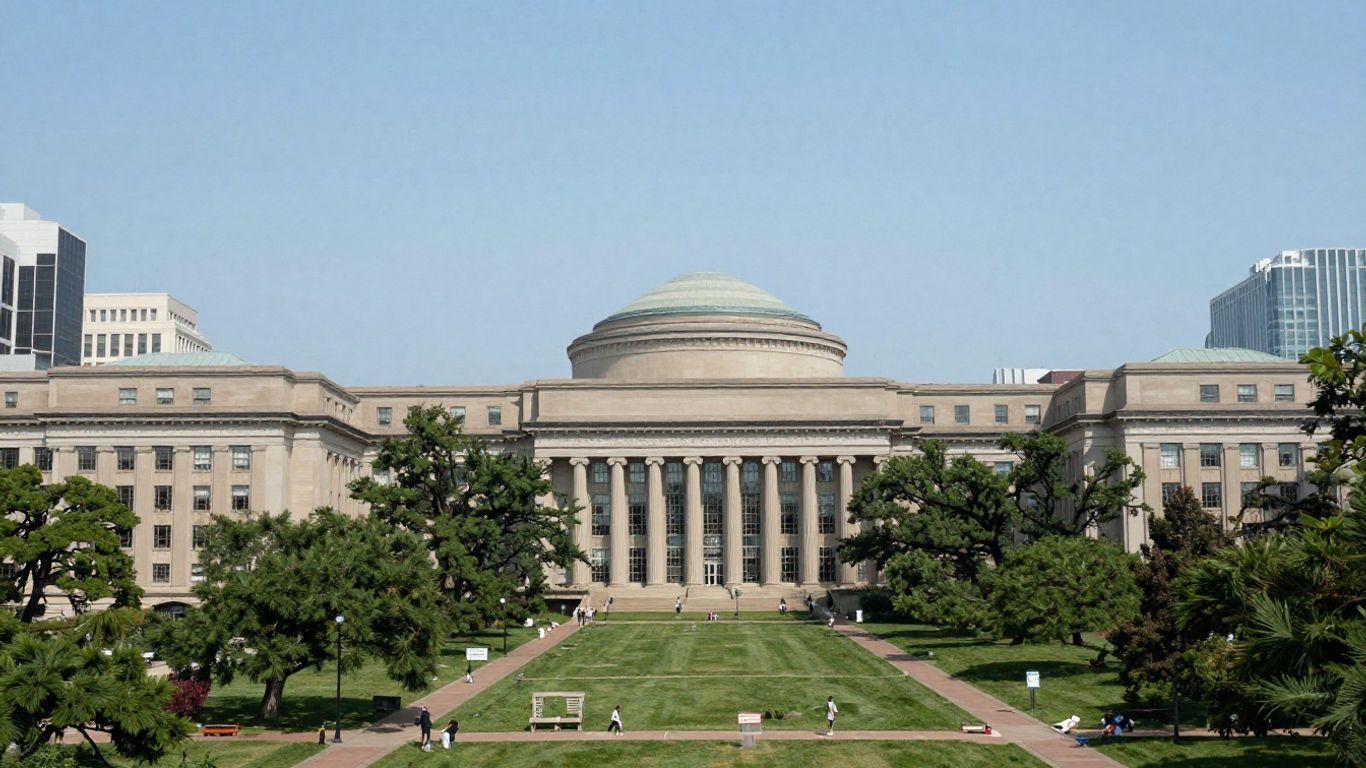
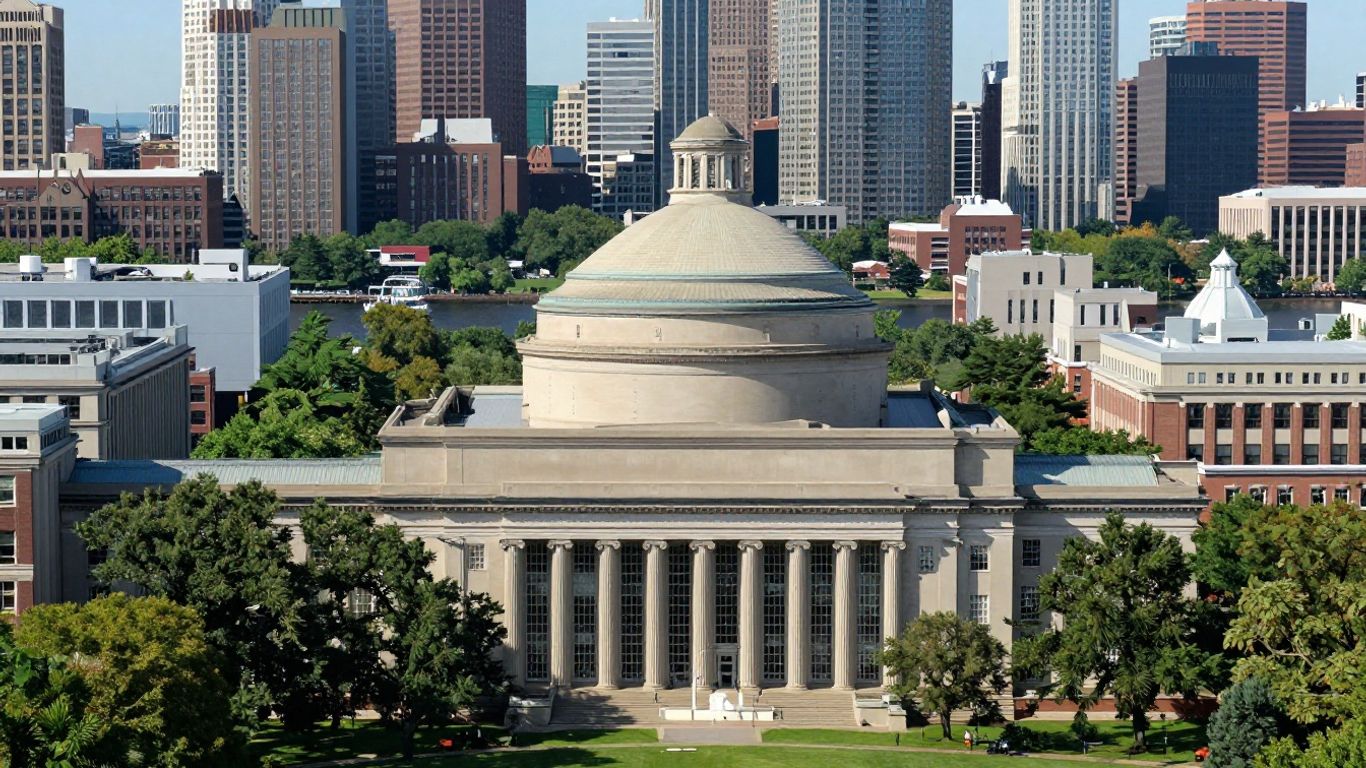
The MIT campus is a showcase of diverse architectural styles, reflecting its long history and forward-thinking ethos. From the imposing Great Dome of the original main building to the sleek, modern lines of the Stata Center, the campus architecture tells a story of evolution. The Kresge Auditorium, with its distinctive concrete shell, is a particularly striking example of mid-century modern design. Many buildings feature unique details, like the playful, almost whimsical, design of the Ray and Maria Stata Center, designed by Frank Gehry, which seems to defy gravity in places. It’s worth taking the time to just wander and look up; you’ll see something interesting around every corner.
Navigating the Vibrant Academic Hub
MIT isn’t just a collection of buildings; it’s a living, breathing academic ecosystem. The campus is organized into various departments and schools, each with its own distinct atmosphere. You’ll see students rushing between lectures, collaborating in study spaces, and engaging in lively discussions. The central Killian Court, often surrounded by students, serves as a focal point, a place where ideas seem to hang in the air. It’s easy to get around, though the sheer scale can be a bit daunting at first. Maps are readily available, and most paths lead to somewhere interesting.
Green Spaces and Recreational Areas
Amidst the concrete and glass, MIT also offers pockets of tranquility and places for recreation. The banks of the Charles River provide a scenic backdrop and a popular spot for students to relax, study, or exercise. There are also several courtyards and green spaces scattered throughout the campus, offering a chance to step away from the intensity of academic life. These areas are perfect for a quiet moment or a casual meeting. You might even stumble upon an impromptu frisbee game or an outdoor concert.
The campus layout encourages interaction and serendipitous encounters, fostering a unique environment where learning extends beyond the classroom walls. It’s designed to be a place where students and faculty can connect, share ideas, and push the boundaries of knowledge together.
Academic Excellence at MIT
Renowned Schools and Departments
MIT is organized into five distinct schools, each housing numerous departments and interdisciplinary programs that are recognized globally for their rigor and innovation. These schools form the backbone of the Institute’s academic structure, providing specialized knowledge and fostering a collaborative environment.
- School of Architecture and Planning: This school is at the forefront of design, urban studies, and real estate development, pushing boundaries in how we shape our built environment.
- School of Engineering: Consistently ranked among the best, this school is home to departments like Electrical Engineering and Computer Science, Mechanical Engineering, and Civil and Environmental Engineering, driving technological progress.
- School of Humanities, Arts, and Social Sciences: This school might surprise some, but it’s vital to MIT’s holistic approach, with departments in economics, political science, literature, and music, exploring the human side of innovation.
- School of Management (Sloan): The MIT Sloan School of Management is a leader in business education, focusing on analytical approaches and the intersection of technology and management.
- School of Science: This school includes foundational departments such as Physics, Mathematics, Chemistry, and Biology, providing the scientific bedrock for much of MIT’s research.
The sheer breadth and depth of these academic units mean that students and faculty can explore almost any field of inquiry imaginable.
Cutting-Edge Research Opportunities
Research is not just an activity at MIT; it’s woven into the fabric of daily life. Students, from undergraduates to doctoral candidates, have ample chances to get involved in groundbreaking projects. These opportunities often arise through coursework, dedicated research programs, or direct engagement with faculty members.
MIT hosts a multitude of research laboratories and centers, each focusing on specific areas of study. Some examples include:
- The Computer Science and Artificial Intelligence Laboratory (CSAIL): One of the largest research labs at MIT, CSAIL works on a wide range of AI and computing topics.
- The Media Lab: Known for its unconventional approach, the Media Lab explores how technology can change the way people learn, create, and interact.
- The Koch Institute for Integrative Cancer Research: This institute brings together biologists, engineers, and clinicians to tackle cancer from multiple angles.
These are just a few highlights, and the sheer volume of research happening across campus is immense. Getting involved often means reaching out to professors whose work interests you or looking for open positions advertised through departmental channels.
Engaging in research at MIT provides an unparalleled learning experience. It’s where theoretical knowledge meets practical application, often leading to discoveries that shape the future.
Interdisciplinary Learning and Collaboration
MIT strongly encourages learning and working across different fields. The complex challenges of today often require solutions that draw from multiple disciplines, and MIT is set up to make this happen. Many programs are designed to break down traditional academic silos.
- Joint Degree Programs: Students can pursue degrees that combine two different fields, such as a Bachelor of Science in Electrical Engineering and Computer Science with a minor in Economics.
- Cross-Departmental Courses: Faculty often design courses that draw on perspectives from various departments, allowing students to see how different subjects connect.
- Project-Based Learning: Many classes culminate in projects that require students to apply knowledge from different areas, mirroring real-world problem-solving.
This collaborative spirit extends beyond the classroom. MIT actively promotes interaction between students, faculty, and researchers from different schools and departments, creating a dynamic environment where new ideas can flourish. The Institute believes that the most significant breakthroughs often happen at the intersections of different fields of study.
Life as a Student in Cambridge
Student Housing and Residential Life
Living at MIT means becoming part of a community that extends beyond the classroom. Most undergraduates live on campus for at least their first year, experiencing a unique residential system. MIT offers a variety of housing options, from traditional dormitories to apartment-style living, catering to different preferences and needs. Each residence hall has its own character and traditions, contributing to the diverse student experience. The residential system is designed to support students academically and socially.
Here’s a look at some common housing types:
- Undergraduate Residence Halls: These are the most common for first and second-year students, offering a structured environment with resident advisors.
- Graduate Housing: Options are available for graduate students, often in separate communities or apartment buildings.
- Living-Learning Communities: Some halls focus on specific interests or academic programs, bringing like-minded students together.
The transition to university life can be a big adjustment. MIT’s residential system aims to make this smoother by providing built-in support networks and opportunities to connect with peers right from the start. It’s more than just a place to sleep; it’s a place to build friendships and find your footing.
Campus Dining Experiences
Fueling the minds of future innovators is a top priority at MIT, and the campus dining reflects this. Students have access to a wide array of food options across campus. From quick bites at cafes to full-service dining halls, there’s something to satisfy every palate and schedule. Many dining locations are designed to be social hubs, encouraging students to gather and share meals. Meal plans are available, offering convenience and flexibility for students living on or off campus.
Key features of MIT dining include:
- Variety of Locations: Over a dozen dining halls, cafes, and retail food locations are spread across campus.
- Dietary Accommodations: Efforts are made to provide options for various dietary needs, including vegetarian, vegan, gluten-free, and allergen-aware choices.
- Late-Night Options: Recognizing that students often work late, many eateries offer extended hours.
Extracurricular Activities and Organizations
Beyond academics, MIT buzzes with student life. The sheer number of clubs and organizations is impressive, covering virtually every interest imaginable. Whether you’re passionate about robotics, theater, debate, community service, or a specific cultural group, there’s likely a place for you. Participating in these activities is a great way to develop leadership skills, explore new hobbies, and build a strong network of friends. These groups are central to the student experience, offering a balance to rigorous coursework.
Some popular categories of student organizations include:
- Academic and Professional Clubs: Groups related to specific fields of study, like the Society of Women Engineers or the AI Club.
- Arts and Performance: From the MIT Symphony Orchestra to Improv Comedy groups.
- Athletics and Recreation: A wide range of club sports, intramurals, and fitness activities.
- Cultural and Identity Groups: Organizations celebrating diverse backgrounds and fostering community.
- Service and Volunteer Groups: Opportunities to give back to the campus and local community.
Exploring the Surrounding Cambridge Community
Vibrant Neighborhoods and Local Culture
Cambridge is more than just MIT; it’s a city with its own distinct personality and a rich tapestry of neighborhoods. Just a short walk from campus, you’ll find areas like Harvard Square, a bustling hub known for its bookstores, street performers, and historic architecture. Further afield, neighborhoods like Central Square offer a more eclectic vibe with a diverse range of shops, restaurants, and live music venues. The city itself is a melting pot of cultures, reflected in its art scene, community events, and the general atmosphere you feel when you’re out and about. It’s a place where academic life blends with a lively urban experience.
Dining and Entertainment Options
When it comes to food and fun, Cambridge doesn’t disappoint. The culinary scene is incredibly varied, catering to every taste and budget. You can find everything from quick, casual eats to upscale dining experiences. Many restaurants focus on fresh, local ingredients, and there’s a strong presence of international cuisine, reflecting the city’s diverse population. Beyond dining, Cambridge offers a wealth of entertainment. Catch a show at the American Repertory Theater, explore the numerous art galleries, or enjoy live music in one of the many clubs. The city also hosts various festivals and events throughout the year, adding to its dynamic character.
Proximity to Boston’s Attractions
One of the significant advantages of being in Cambridge is its close proximity to Boston. A quick subway ride, often referred to as the ‘T’, can transport you to the heart of Boston in minutes. This opens up a whole new world of attractions and activities. You can explore historic sites like Faneuil Hall and the Freedom Trail, visit world-class museums such as the Museum of Fine Arts and the Isabella Stewart Gardner Museum, or catch a professional sports game. The Charles River also separates Cambridge and Boston, offering beautiful views and recreational opportunities like walking, jogging, or kayaking along its banks.
Visiting the Massachusetts Institute of Technology
Planning a visit to MIT can be an exciting prospect, whether you’re a prospective student, a curious academic, or simply an admirer of innovation. The campus, situated in Cambridge, Massachusetts, is a hub of activity and a testament to cutting-edge design and thought. Making your trip smooth starts with a little preparation.
Planning Your Visit
To make the most of your time at MIT, consider these points:
- Best Time to Visit: Weekdays during the academic year offer the most vibrant atmosphere, with classes in session and students around. However, if you prefer a quieter experience, consider visiting during summer or school breaks.
- Duration: A single day is often sufficient for a good overview, but if you’re a prospective student or researcher, you might want to plan for two days to attend information sessions, departmental talks, or even sit in on a class.
- Weather: Massachusetts weather can be unpredictable. Pack layers, comfortable walking shoes, and an umbrella, especially outside of summer months.
Campus Tours and Information
MIT offers structured ways to explore its grounds and learn about its programs. Official campus tours are a great starting point.
- Guided Tours: These are typically led by current students and provide insights into campus life, academic programs, and historical landmarks. They usually last about an hour.
- Self-Guided Tours: If you prefer to explore at your own pace, you can download campus maps and self-guided tour materials from the MIT Admissions website.
- Information Sessions: Prospective students and their families can attend information sessions that cover admissions, financial aid, and academic life. Check the admissions calendar for schedules.
The MIT campus is a dynamic environment. While official tours are excellent, don’t hesitate to wander through public spaces, observe the architecture, and soak in the atmosphere. You might discover hidden gems or inspiring spots.
Getting To and Around MIT
MIT is accessible by various modes of transportation, and getting around the campus itself is generally straightforward.
- Public Transportation: The MBTA (Massachusetts Bay Transportation Authority) Red Line subway has a station directly serving the MIT campus (Kendall/MIT). Several bus routes also stop nearby.
- Driving and Parking: Parking on or near campus can be challenging and expensive. If driving, research visitor parking options in advance. The MIT Visitor Parking website is a good resource.
- Walking and Biking: The campus is very walkable, and many students and visitors use bicycles. There are bike racks throughout the campus, and bike-sharing programs are available in the area.
Innovation and Impact Beyond the Campus
MIT’s Role in Technological Advancement
MIT isn’t just a place for learning; it’s a powerhouse of new ideas that shape our world. From the early days of computing to the latest in artificial intelligence and biotechnology, MIT has consistently been at the forefront of discovery. The institute’s influence can be seen in countless technologies we use every day. Think about the internet, GPS, or even the touchscreens on your phone – many of these have roots in research conducted here. MIT’s approach encourages thinking differently, pushing boundaries, and finding solutions to complex global challenges.
Entrepreneurship and Startup Culture
Beyond groundbreaking research, MIT has a strong tradition of turning ideas into businesses. The environment here is ripe for innovation, with many students and faculty members starting their own companies. This entrepreneurial spirit is supported by various programs and resources designed to help new ventures get off the ground. It’s not uncommon to hear about MIT-affiliated startups making significant waves in their respective industries.
Here are a few areas where MIT startups have made a notable impact:
- Biotechnology: Developing new medical treatments and diagnostic tools.
- Artificial Intelligence: Creating smarter systems for various applications.
- Clean Energy: Innovating solutions for sustainable power.
- Software Development: Building the next generation of digital tools.
Community Engagement and Outreach
MIT’s commitment extends beyond its campus and into the wider community. The institute actively engages in outreach programs aimed at inspiring the next generation of scientists and engineers. This includes initiatives that bring K-12 students to campus, provide educational resources, and support science education in local schools. MIT also collaborates with government and industry partners to address societal needs and promote technological progress for the public good.
Concluding Thoughts on MIT
So, we’ve taken a look around the Massachusetts Institute of Technology. It’s a place that really sparks curiosity, isn’t it? From its famous buildings to the buzz of innovation you can almost feel in the air, MIT is quite something. Whether you’re a prospective student, a curious visitor, or just someone interested in how groundbreaking ideas come to life, spending time here offers a unique perspective. It’s a reminder of what human ingenuity can achieve. We hope this guide has given you a good sense of what makes MIT a special place in Cambridge and beyond.
Frequently Asked Questions
What makes MIT’s campus special?
MIT’s campus is full of amazing buildings with cool designs, like the Stata Center that looks like a stack of colorful boxes! You’ll also find nice spots to relax outdoors and places where students hang out and study. It’s a really interesting place to walk around and see.
What kind of classes can I take at MIT?
MIT is famous for its science and engineering programs, but it also has great schools for arts, humanities, and business. Students often work on projects that combine different subjects, which helps them learn in new and exciting ways.
What is it like to be a student at MIT?
Living at MIT means you’ll have places to stay on or near campus. There are lots of different food options, from quick snacks to full meals. Plus, you can join clubs or teams for almost any hobby or interest you can think of!
What’s there to do around MIT?
Cambridge, where MIT is located, is a lively city with lots of shops, restaurants, and places to explore. It’s also very close to Boston, so you can easily visit museums, parks, and other famous city attractions.
How can I visit MIT?
You can plan a visit by checking the MIT website for information on tours and open houses. They often have guided tours that show you the main parts of the campus. Getting there is easy, and there are ways to get around once you arrive.
How does MIT make a difference in the world?
MIT is a leader in creating new technologies and ideas that change how we live. Many students and professors start their own companies based on their research. MIT also works with the community to share knowledge and help others.

Peyman Khosravani is a seasoned expert in blockchain, digital transformation, and emerging technologies, with a strong focus on innovation in finance, business, and marketing. With a robust background in blockchain and decentralized finance (DeFi), Peyman has successfully guided global organizations in refining digital strategies and optimizing data-driven decision-making. His work emphasizes leveraging technology for societal impact, focusing on fairness, justice, and transparency. A passionate advocate for the transformative power of digital tools, Peyman’s expertise spans across helping startups and established businesses navigate digital landscapes, drive growth, and stay ahead of industry trends. His insights into analytics and communication empower companies to effectively connect with customers and harness data to fuel their success in an ever-evolving digital world.