Hotels are long-term physical assets operating inside markets that can change quickly. A property may take years to plan, finance, develop, acquire, reposition, or renovate, while the conditions surrounding that investment continue to move. Financing environments shift. Traveler preferences evolve. Technology advances. Labor requirements change. Competitive conditions develop, and brand expectations can create new operational priorities.
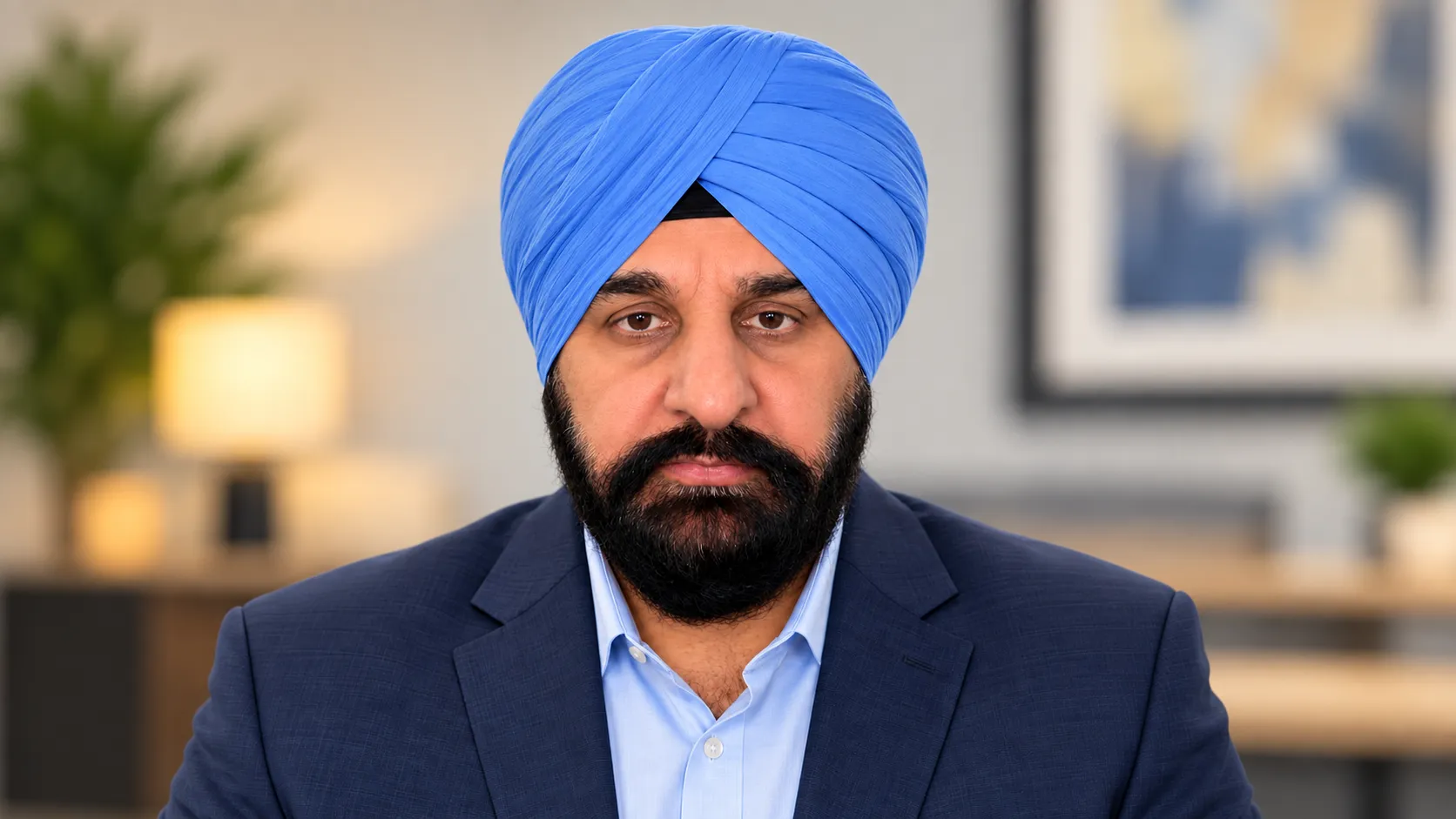
That creates a difficult balance for hospitality leadership. Operators and owners must be willing to respond to meaningful changes without allowing every short-term movement to disrupt a sound long-term strategy. Jagmohan Dhillon, founder of Galaxy Management Company LLC, brings more than 25 years of hospitality industry experience to that challenge, including approximately a decade as an owner and operator. His background spans acquisitions, property revitalization, hotel development, operations, financial controls, people development, infrastructure, guest relations, and hotel asset management.
Dhillon’s experience points to a central principle of hospitality real estate: adaptability is most useful when it is paired with discipline. The objective is not simply to change quickly. It is to recognize what has changed, understand what it means for a property, and make decisions that continue to support asset quality and long-term value.
Adaptability Starts With Paying Attention
Effective adaptation begins before a major decision has to be made. Hospitality leaders need to stay informed about market conditions, traveler preferences, technology, financing, operating costs, brand expectations, demand patterns, development opportunities, and competitive conditions.
Dhillon’s approach at Galaxy Management treats innovation as an ongoing process rather than a single initiative. The company describes remaining informed and flexible as essential to making decisions involving acquisitions, development, branding, operations, and investment. It also emphasizes recognizing change early and responding thoughtfully rather than assuming an existing strategy will remain appropriate indefinitely.
That distinction matters when evaluating hospitality industry trends. Leaders do not need to predict every market movement correctly. They need organizations capable of identifying relevant changes, assessing their implications, and deciding whether an adjustment is warranted. Sometimes that adjustment may involve operations or technology. In other circumstances, it could affect capital allocation, staffing, branding, development plans, or the way an acquisition opportunity is evaluated.
Hotel Acquisitions Require Looking Beyond the Transaction
Hotel acquisitions illustrate why long-term thinking matters. Buying a hotel is not simply a real estate transaction because the buyer is acquiring both a physical asset and an operating business.
The condition of the building is only one consideration. Infrastructure, staffing, financial controls, operating systems, brand requirements, guest experience, market positioning, property improvements, and future capital needs can all influence what ownership will require after a transaction closes.
Dhillon has experience acquiring and revitalizing branded hotels and motels, giving him direct exposure to the work that follows an acquisition. Galaxy Management’s activity has continued in this area, including its late-2025 acquisition of a Courtyard by Marriott in Plano, Texas. The significance of that activity for a broader hospitality investment strategy is not the transaction itself. It is the reminder that acquisition marks the beginning of an operating responsibility.
A property can look attractive at the transaction stage while still requiring substantial organizational attention afterward. The more useful question is therefore not simply whether an asset can be acquired, but what will be required to operate, maintain, and improve it over time.
Revitalizing a Hotel Is an Operational Challenge
Property revitalization is often associated with renovation, but the physical product is only part of the equation. Dhillon’s background includes establishing financial controls, developing people, strengthening infrastructure, overseeing property improvements, and focusing on guest relations. Together, those areas demonstrate why hotel asset management must connect the condition of the property with the capabilities of the organization operating it.
A useful framework is to consider property, people, processes, financial discipline, and guest expectations together. Improving one area while neglecting the others can leave important problems unresolved.
A renovation cannot by itself correct weak operational processes or unclear accountability. Conversely, capable property-level teams cannot indefinitely compensate for infrastructure that no longer supports the hotel’s requirements. Effective revitalization requires leaders to understand how the physical and operational sides of an asset interact.
Ground-Up Development Requires Thinking Years Ahead
Hotel real estate development presents a related challenge from the opposite direction. Rather than inheriting an existing property’s operating realities, developers make decisions today about an asset intended to serve guests and function efficiently for years.
That requires considering market fit, brand selection, guest segments, design, infrastructure, operational efficiency, staffing implications, maintenance, adaptability, and financial discipline before the hotel begins operating. Decisions made during development can shape the eventual operating environment, making long-term thinking particularly important.
Galaxy Management’s development activity gives Dhillon a current perspective on those questions. The company’s identified development projects include TownePlace Suites by Marriott properties in Flagstaff, Arizona; Tracy, California; and Denver, Colorado, as well as a Residence Inn by Marriott project in Greeley, Colorado and a dual-branded TownePlace Suites and SpringHill Suites by Marriott development in Shreveport, Louisiana.
These projects are development activities rather than evidence of completed operating results. Their relevance is that Dhillon’s perspective encompasses both existing-asset acquisitions and ground-up hotel development, two disciplines that require different decisions but share a need for long-term planning.
Adaptability Cannot Come at the Expense of Financial Discipline
One risk in any changing market is confusing adaptability with constant action. A new technology, concept, brand, market, or development opportunity may deserve consideration without automatically deserving investment.
Galaxy Management describes its approach as balancing innovation with financial discipline and long-term value creation. That provides an important counterweight to change for its own sake.
Hospitality leaders evaluating an opportunity can consider whether a decision strengthens the asset over time, fits the market, creates additional operating requirements, demands infrastructure investment, introduces new risks, or remains consistent with long-term objectives. Those questions apply across acquisitions, development, renovations, technology decisions, and hospitality operations.
Adaptability, viewed this way, is a decision-making capability rather than a willingness to pursue every available opportunity.
Staffing Is Part of the Asset Strategy
Hospitality real estate cannot be understood solely through buildings and capital. Hotels are operating businesses, and their quality depends heavily on the people responsible for running them.
Dhillon’s experience includes people development, staffing-related operations, accountability, infrastructure, and guest relations. His background reinforces why workforce considerations belong in discussions about hotel acquisitions, development, and revitalization rather than being treated as a separate management issue.
Leaders must consider the staffing requirements a property creates, how teams will be trained and developed, how accountability will function, and whether property-level management has the systems needed to execute consistently. A strong physical product can still encounter operational problems if the organization behind it is not equipped to deliver the intended guest experience. Likewise, capable employees need appropriate processes, communication, technology, and infrastructure to perform effectively.
Brand Standards and Guest Expectations Create Necessary Guardrails
Adaptability also operates within boundaries. Branded hotel owners and operators must respond to individual property and market needs while working within applicable brand standards and quality expectations.
Dhillon has experience with properties carrying Marriott, Hilton, IHG, Motel 6, and Studio 6 brands. That breadth provides context for the balancing act involved in branded hospitality operations without suggesting that any individual operator speaks for those brands.
The practical opportunity is often to identify where processes, technology, infrastructure, property management, and guest service can improve while maintaining the consistency associated with the brand. Innovation and standardization are not necessarily competing objectives. Effective hospitality leadership determines where flexibility adds value and where consistency remains essential.
Sustainable Growth Requires Knowing What Should Change and What Should Not
Markets will continue to change, technology will develop, financing conditions will fluctuate, guest expectations will evolve, and new hotel development opportunities will emerge. Hospitality leaders therefore need more than a fixed playbook.
The principles reflected in Jagmohan Dhillon’s hospitality experience offer a practical framework. Stay informed enough to understand changing conditions. Remain flexible when circumstances genuinely require a different approach. Maintain financial and operational discipline when evaluating new ideas. Invest in the people, systems, infrastructure, and physical property that collectively shape hotel operations. Treat an acquisition or development as the beginning of a long operating responsibility rather than the culmination of a transaction.
Most importantly, adaptability should not require abandoning the fundamentals that protect quality. Hotels remain long-term assets even when the markets around them move quickly.
For Jagmohan Dhillon, the response is thoughtful adaptation rather than change for its own sake. His approach emphasizes staying informed, evaluating opportunities carefully, investing in people and infrastructure, and adjusting when circumstances warrant it while keeping long-term asset value in view.
The ability to adapt matters, but sustainable growth depends on knowing how to change without losing sight of what should remain consistent: disciplined operations, quality, accountability, and a long-term view of the asset.