
From Small-Town Roots to Legal Leadership
Jacob Zach Winsett didn’t grow up dreaming of being a judge or an attorney. His story begins on a farm in Chrisney, Indiana, where he learned early that hard work wasn’t optional. His father worked as both a farmer and a welder, and chores were non-negotiable. “If I didn’t feed the animals or fix something before school, the day didn’t start right,” he recalls.
Those mornings taught him the value of structure — a habit that followed him through law school, public service, and his return to private practice. Sports also shaped his leadership style. He played basketball, baseball, and football, learning teamwork and communication. “Sports showed me that leadership isn’t about shouting the loudest,” he says. “It’s about doing the work first.”

Building a Career on Integrity
After graduating from Heritage Hills High School, Winsett attended the University of Southern Indiana and later earned his law degree from Nova Southeastern University in Florida. He began his career at Burley Scales Law Office, eventually becoming a partner at Scales and Winsett Law Office.
He says those early years taught him humility. “When you represent real people, you learn how complicated life can be. Everyone wants justice, but justice means something different to each person who walks through the door.”
His reputation for empathy and discipline caught attention, and before long, Winsett stepped into public service as a Warrick County Public Defender. He represented those who couldn’t afford a lawyer, often in difficult and emotional cases. “One client told me I was the first person who had actually listened to him,” Winsett says. “That moment stuck. It reminded me that law is about people first.”
Transforming Justice Through Rehabilitation
As a Drug Court Public Defender, Winsett worked with individuals battling addiction. He saw how traditional punishment often failed to create lasting change. “We had one guy who had been in and out of jail for years,” he says. “Once he entered Drug Court, got treatment, and held a job, everything changed. He came back years later to mentor others.”
Statistics back up his approach. According to the U.S. Department of Justice, drug courts reduce recidivism by up to 40% compared to standard sentencing. Winsett calls it “accountability with purpose.”
He later became a Magistrate and then Judge in Warrick County Superior Court. In those roles, he brought a sense of fairness and balance that reflected his upbringing. “Being a judge isn’t about control,” he explains. “It’s about patience. You let people speak. You listen. And then you decide.”
Leadership Beyond the Bench
While serving as a judge, Winsett also joined committees that tackled the deeper challenges of the justice system — the Warrick Jail Committee, the Community Corrections Committee, and the Court Alcohol and Drug Programme Committee. “Those groups gave me a bigger view,” he says. “You stop thinking case-by-case and start thinking system-by-system.”
He also taught continuing legal education courses, helping attorneys and judges sharpen their skills. “Teaching keeps you honest,” he laughs. “If you can’t explain it clearly, you don’t really understand it.”
Returning to Private Practice with Perspective
After years on the bench, Winsett returned to private practice at Bob Zoss Law Office in Evansville, Indiana. His background as both an attorney and a judge gives him a rare advantage. “I’ve seen what works in a courtroom and what doesn’t,” he says. “That helps me prepare clients not just for a verdict, but for what comes next.”
Colleagues describe him as steady and methodical — someone who doesn’t overreact under pressure. It’s a trait he credits to his time on the farm and in sports. “You don’t fix problems by panicking,” he says. “You fix them by showing up, listening, and doing the work.”
Everyday Habits of a Legal Leader
Winsett’s leadership comes from small, consistent habits. He starts his mornings early, often with a notebook and coffee. “I still write my tasks by hand,” he says. “Crossing something off a list feels better than any app notification.”
He also walks before making major decisions. “Movement clears the noise,” he says. Research agrees — walking can boost creative thinking by up to 60%.
For him, leadership isn’t about perfection. It’s about reliability. “Clients don’t need superheroes,” he explains. “They need someone who keeps their word.”
Lessons from a Career Built on Listening
From his farm days to his time as a judge, one theme runs through Winsett’s story: listening. It’s how he earned trust, made better rulings, and helped people change. “The best advice I ever got was to wait five seconds before speaking,” he says. “You’d be surprised what people reveal if you just give them time.”
As the legal industry faces rising workloads, mental health struggles, and rapid change, Winsett’s career stands as a reminder that leadership doesn’t have to be loud or flashy. It can come from steady hands, clear minds, and the courage to keep showing up.
A Quiet Force for Change
Today, Jacob Zach Winsett continues to practice law with the same quiet determination that defined his years in public service. His story shows that leadership in law isn’t about prestige — it’s about patience, purpose, and persistence.
In his words, “I didn’t build my career on big wins. I built it by trying to do the small things right every single day.”
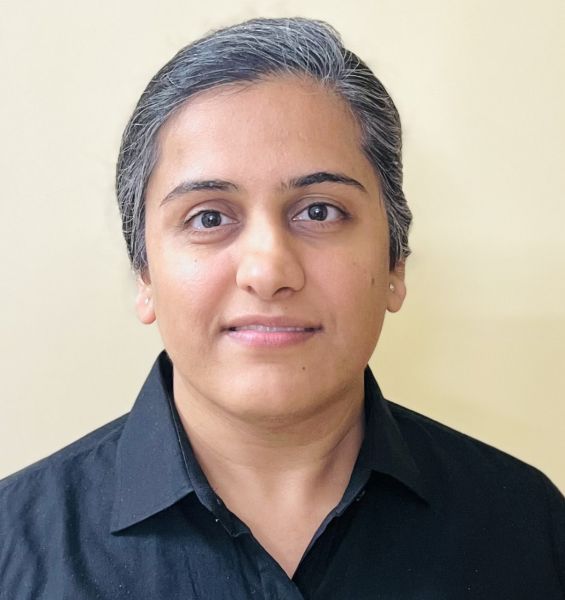
Pallavi Singal is the Vice President of Content at ztudium, where she leads innovative content strategies and oversees the development of high-impact editorial initiatives. With a strong background in digital media and a passion for storytelling, Pallavi plays a pivotal role in scaling the content operations for ztudium’s platforms, including Businessabc, Citiesabc, and IntelligentHQ, Wisdomia.ai, MStores, and many others. Her expertise spans content creation, SEO, and digital marketing, driving engagement and growth across multiple channels. Pallavi’s work is characterised by a keen insight into emerging trends in business, technologies like AI, blockchain, metaverse and others, and society, making her a trusted voice in the industry.