
The world of information technology, or IT, is changing fast. By 2026, things will look quite different. We’re seeing big shifts globally, and technology is right in the middle of it all. This guide is here to help make sense of what’s happening with IT and how businesses can keep up. We’ll look at the main tech trends and how they’re changing how IT departments work and plan for the future. It’s all about being ready for what’s next.
Key Takeaways
- Global events are shaking things up, and IT needs to be ready for constant change. Building systems that can bounce back is key for businesses.
- Artificial intelligence is getting much smarter and more common. It’s becoming a tool for both helping businesses and creating new security problems.
- IT departments are moving from just keeping things running to being a main driver of new ideas and growth for the whole company.
- Making supply chains more reliable and diverse is important. This means looking at where materials come from and how ethical they are.
- Businesses are using technology to better understand and serve their customers. This means making things easier and more personalized for people, so they have a good experience with the company’s products and services.
Navigating The Evolving Landscape Of Information Technology
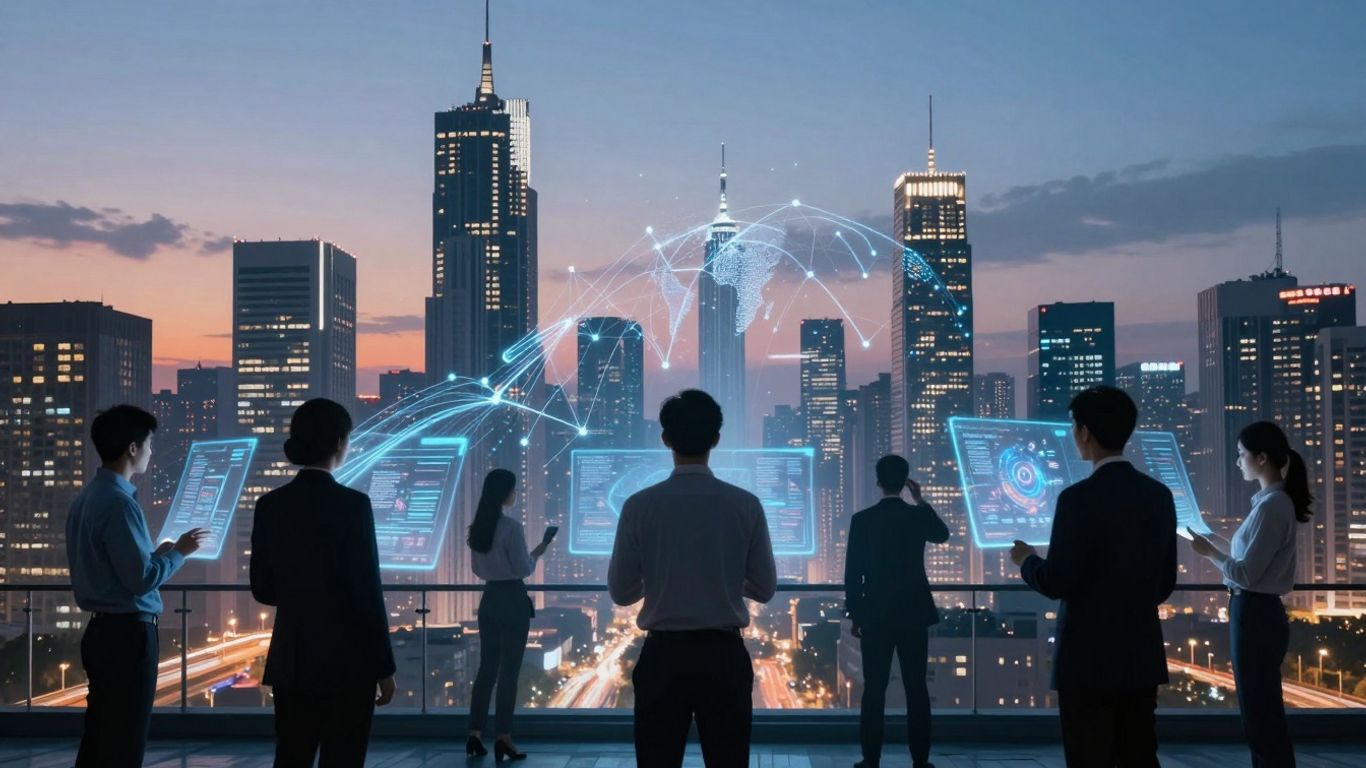
The world of information technology is in constant motion, and by 2026, the pace of change is only accelerating. We’re not just talking about minor updates; we’re seeing significant shifts driven by global events and new technological capabilities. For businesses, this means IT departments are moving from a support role to a central position in driving strategy and growth. It’s a dynamic environment, and staying ahead requires a proactive approach to understanding and adapting to these changes.
The Shifting Global Order And Its Impact
Global events, from geopolitical realignments to economic fluctuations, are creating a less predictable business landscape. This uncertainty directly impacts how IT operates. Supply chains for critical components can be disrupted, international regulations can change, and security threats can emerge from unexpected places. IT leaders must now build systems and strategies that can withstand and adapt to these ongoing disruptions. This means rethinking where we source technology, how we protect data across borders, and how we ensure business continuity when the unexpected happens. It’s about building flexibility into the very fabric of our IT infrastructure.
Embracing Resilience In A Volatile World
In today’s environment, resilience is more than just recovering from a problem; it’s about being prepared for continuous change. For IT, this translates into developing robust systems and processes that can handle a variety of challenges, whether it’s a cyberattack, a natural disaster, or a sudden shift in market demand. The goal is to move from a reactive stance, fixing problems as they arise, to a proactive one, anticipating potential issues and having plans ready to go. This involves:
- Diversifying Sourcing: Relying on a single supplier or region for technology is a risk. Exploring multiple sources, including local or regional options, can reduce vulnerability to trade disputes and logistical problems.
- Building Redundancy: Having backup systems and data storage in different locations can prevent major outages.
- Developing Agile Processes: Creating IT workflows that can be quickly adjusted to meet new demands or address unforeseen issues.
The ability to adapt quickly is no longer a nice-to-have; it’s a core requirement for survival and success in the modern business world. IT departments are at the forefront of this adaptation, tasked with keeping operations running smoothly while also enabling new ways of working.
Diversified Sourcing For Critical Components
One of the most tangible impacts of the shifting global order on IT is the need for diversified sourcing. Relying heavily on a single country or supplier for hardware, software, or even specialized talent creates significant risk. Geopolitical tensions, trade policies, and logistical challenges can all disrupt the flow of essential technology. Therefore, organizations are increasingly looking to:
- Expand supplier networks: Working with multiple vendors across different geographic regions.
- Explore nearshoring and reshoring: Bringing some component manufacturing or service provision closer to home.
- Increase inventory levels: Holding more critical spare parts or components to buffer against short-term disruptions.
This strategic shift helps mitigate risks and build a more stable foundation for IT operations, even when the global landscape is unpredictable.
Key Technological Trends Shaping It Information Technology In 2026
As we move through 2026, the world of information technology is experiencing some significant shifts. These aren’t just small updates; they’re big changes that affect how we use and think about technology every day. Staying aware of these trends is pretty important if your organization wants to keep up and stay competitive.
Advancements In Artificial Intelligence And Autonomy
Artificial Intelligence (AI) continues to grow and change. It’s moving past just doing simple automated tasks and is now being used for more complex jobs. We’re seeing a lot more investment, especially in AI that can create things, like text or even computer code. But the really interesting part is AI that can act more on its own to get complicated jobs done. This means AI is becoming less like a tool you use and more like a partner that can handle difficult processes with less direct supervision.
The Evolution Of Smart Sensing Networks
Smart sensing networks, often called the Internet of Things (IoT), are getting much smarter. A big development is how advanced sensors are working together with AI that runs at the "edge" – meaning closer to where the data is collected. This allows data to be processed and decisions to be made right there, instead of sending everything back to a central computer system. This ability to process information instantly is key for things that need quick reactions, like self-driving cars or automated factories.
AI As Both Adversary And Ally In Cybersecurity
The role of AI in keeping computer systems safe is becoming a bit of a balancing act. On one side, AI is a huge help. It can spot threats much faster, help fix problems quickly, and offer more advanced ways to protect systems. However, the same AI tools can also be used by people trying to cause trouble. This creates a kind of arms race where both sides are using AI to get ahead. Organizations must be aware of how AI can be used for both defense and attack in the cybersecurity space.
The increasing sophistication of AI means it’s no longer just a tool for IT departments. It’s becoming a core component that influences strategy, operations, and even the very nature of threats faced. Adapting to this dual role is paramount for maintaining security and operational integrity.
Here’s a look at how AI is impacting cybersecurity:
- Advanced Threat Detection: AI algorithms can analyze vast amounts of data to identify unusual patterns that might indicate a cyberattack, often before traditional methods can.
- Automated Incident Response: When a threat is detected, AI can initiate immediate responses, such as isolating affected systems or blocking malicious traffic, reducing potential damage.
- Evolving Attack Vectors: Malicious actors are also using AI to develop more sophisticated and harder-to-detect attacks, requiring continuous innovation in defensive AI.
The Role Of IT In Driving Value Creation
For a long time, IT was often seen as just the department that kept the computers running – a necessary expense. But that picture has really changed. In 2026, Information Technology is much more than a support function; it’s a main engine for growth and creating new opportunities for businesses. IT teams are moving from just managing systems to actively helping the entire company get ahead.
From Back-Office Operator To Exponential Enabler
Think about how IT used to work. The main job was to make sure everything was stable, fix issues when they popped up, and handle the basic tech setup. It was about maintaining the status quo. Now, though, businesses need IT to do more. They need IT to help them expand rapidly, find new markets, and create better products or services. This means IT departments need to be proactive, looking for ways technology can improve the whole business, not just keep existing parts working.
Leveraging Emerging Technologies For Competitive Advantage
Companies that want to do well in the coming years will be the ones that use new tech smartly. This isn’t just about buying the latest gadgets; it’s about understanding how things like AI, advanced data analysis, and cloud computing can change how a business operates. For instance, using AI to better understand what customers want can lead to more personalized services, which people appreciate. Automating certain tasks can also free up employees to focus on more creative work. The key is picking the right technologies and putting them to use in ways that give the company a real edge over competitors. Small fashion brands, for example, face significant financial challenges and should maintain cash reserves for disruptions, diversify suppliers when possible, and adopt flexible strategies.
The Importance Of IT Maturity For Innovation
To truly benefit from new technologies and become that growth engine, IT departments need to be mature. What does that mean? It means having solid processes, a clear strategy, and the right skills. A mature IT department can:
- Identify and adopt new technologies that align with business goals.
- Integrate these technologies effectively to create new value.
- Manage the risks associated with technological change.
A mature IT department acts as a strategic partner, not just a service provider. It understands the business’s direction and proactively suggests technological solutions to achieve those objectives, driving innovation and competitive advantage.
This shift requires a change in how IT is viewed and operates, moving from a cost center to a vital contributor to business success.
Enhancing Customer Experiences Through Digital Tools
In today’s fast-paced world, customer expectations are constantly shifting. People want things quickly, they want them to be just right for them, and they want the whole process to be easy. If a business’s website is hard to use or its app is clunky, customers will likely look elsewhere. This means companies really need to pay attention to what customers want and use digital tools to give it to them. It’s about making sure your online presence is simple to use on a phone, that customer service is quick, and that interactions feel personal.
Personalized Interactions And Tailored Offers
Digital tools are a game-changer for making customers happy. By looking at customer data, businesses can figure out what individual customers like. This lets them create special offers and recommendations that feel relevant to each person. Think about getting an email with a discount on something you were just looking at online, or seeing product suggestions that actually match your style. This level of personalization makes customers feel seen and understood.
- Personalized offers based on past purchases.
- Tailored product recommendations.
- Customized content and messaging.
AI-Powered Support And 24/7 Availability
Nobody likes waiting on hold. AI-powered chatbots can handle simple questions right away, any time of day or night. This means customers can get answers to common questions without having to wait for a human agent. For more complex issues, AI can help route the customer to the right person faster. This constant availability and quick response time really improve the customer’s overall experience.
The goal is to make every customer interaction smooth, helpful, and positive, building stronger connections that last.
Building Lasting Customer Relationships
Businesses that put the customer at the center of their digital changes tend to do better. It’s not just about making a sale; it’s about building a relationship. When customers feel like they are understood and well-served, they tend to stick around longer. They are also more likely to tell their friends and family about the business. This kind of loyalty is gold. Making sure your systems are reliable, like choosing a good web host with strong support, plays a big part in this. Choosing a web host is a significant business decision that impacts customer trust.
- Quick responses to inquiries via chat or social media.
- Easy-to-navigate websites and mobile apps.
- Consistent service across all contact points.
Transforming IT Operations And Strategy
IT departments are no longer just the folks who keep the lights on in the back office. They’re now central to how a company grows and stays ahead. Think of it as moving from being a caretaker to being a builder, using new tools to create entirely new things. This shift means IT has to think differently about how it works and what its main goals are.
Integrated Risk Management For Enterprise-Wide Security
In today’s environment, resilience isn’t just about bouncing back from a crisis; it’s about building the capacity to withstand and adapt to ongoing disruptions. For IT, this translates into creating robust systems and processes that can handle unexpected events, whether they’re cyberattacks, supply chain issues, or sudden market changes. It means moving from a reactive stance to a proactive one, anticipating potential problems and having plans in place to address them. Instead of isolated security or disaster recovery plans, organizations need a unified approach. This means IT risk management is woven into the fabric of the entire enterprise, allowing for a coordinated response to any threat. This strategy aims to reduce risk by balancing market performance. When some areas perform poorly, strong performance in others can compensate, leading to greater overall stability. This approach helps organizations not only survive but also find opportunities within disruption.
Flexible Infrastructure For Scalability And Agility
Companies that want to win in the next few years will be the ones that smartly use new tech. This isn’t just about buying the latest gadgets; it’s about understanding how things like AI, advanced data analytics, and cloud computing can change how a business operates. For example, using AI to understand customer behavior better can lead to more personalized services, which customers love. Or, automating certain tasks can free up employees to focus on more creative work. The key is to pick the right technologies and integrate them in ways that give the company a real edge over competitors. Cloud computing, containerization, and other flexible IT architectures allow businesses to scale resources up or down quickly. This agility is vital when demand fluctuates or when unexpected events require rapid adjustments. This means IT teams need to be more proactive, looking for opportunities to use technology to make the whole company better, not just keep the existing parts running. We are seeing a move away from predictable, stable markets towards a more complex, multi-polar environment. This affects everything from where we source materials to how we manage international operations. For IT, this means rethinking strategies for security, data management, and even basic infrastructure. It’s about building systems that can bend without breaking. You can find more information on adapting to these changes at Tech Trends 2026.
Strategic Partnership With Business Units
To really take advantage of new technologies and become that growth engine, IT departments need to be mature. What does that mean? It means having solid processes in place, a clear strategy, and the right skills. A mature IT department can:
- Enable Innovation: By adopting and integrating new technologies like AI and advanced analytics, IT can help businesses discover new markets, develop innovative products, and improve customer experiences.
- Optimize Operations: IT can streamline processes, automate tasks, and provide data-driven insights that lead to greater efficiency and cost savings across the organization.
- Drive Value Creation: IT is now a key driver of innovation and value creation, directly contributing to a company’s competitive edge.
The world is changing fast, and businesses need IT to do more. They need IT to help them grow quickly, find new markets, and create better products or services. This means IT departments are moving from just keeping things running to being a main driver of new ideas and growth for the whole company.
Understanding Guided Intelligent Autonomy
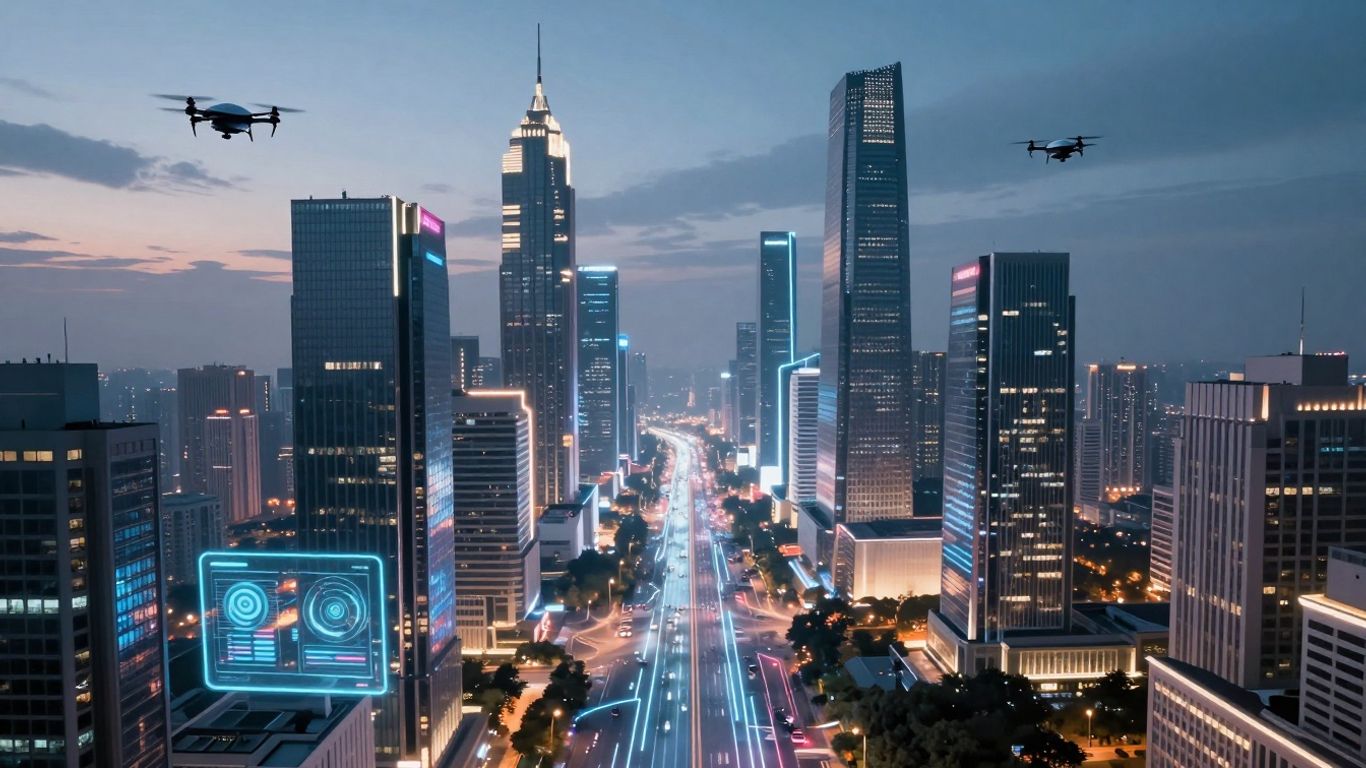
Guided Intelligent Autonomy represents a significant step forward in how we think about artificial intelligence and its role in business operations. It’s not about AI operating completely on its own, but rather about systems that can act with a degree of independence while still being guided and overseen by humans. Think of it like having a very capable team member who can handle complex tasks, but always with clear instructions and the ability for you to step in and direct them.
What Guided Intelligent Autonomy Means For Businesses
This approach is changing how businesses function by allowing systems to take on tasks that were previously too complicated, risky, or time-consuming for people. This can lead to new services, more personalized customer interactions, and entirely new ways of doing business. It’s about creating smarter tools that work with us, not replacing us entirely. The goal is to achieve greater efficiency and capability by combining human direction with AI’s processing power.
The Role Of Multi-Agent Orchestration
At the heart of Guided Intelligent Autonomy are coordinated agent ecosystems. This means a team of specialized AI agents, each with its own strengths, working together toward a common objective. These systems break down large problems into smaller, manageable parts, assigning them to the agent best suited for the job. For example, one agent might optimize delivery routes, another might manage inventory, and a third could track real-time updates. Their ability to communicate and collaborate is key, much like a human team, to reach a shared goal more effectively than any single agent could alone.
Real-Time Decision-Making With Edge AI
To make these autonomous systems truly effective, they need to understand and react to their environment instantly. This is where advanced sensors and edge AI come into play. Sensors collect a lot of data – think cameras on a vehicle or monitors in a factory. Edge AI processes this data right on the device or a local server, instead of sending it all to a distant cloud. This cuts down on delays, allowing for quicker decisions and actions. For instance, a drone inspecting a bridge can use edge AI to spot a potential issue right away and flag it for immediate attention, without waiting for data to travel back and forth to the cloud. This capability is vital for situations where split-second responses are critical, such as in self-driving vehicles or industrial automation.
The integration of Guided Intelligent Autonomy isn’t just about improving existing processes; it’s about fundamentally changing how businesses operate. Autonomous systems can take on roles that were previously too complex, dangerous, or time-consuming for humans. This can lead to new service offerings, more personalized customer interactions, and entirely new business models.
Here’s a look at how businesses can start adopting these systems:
- Start Small: Deploy AI agents for tasks that are well-documented and repetitive, like sorting documents or answering common customer questions.
- Integrate Gradually: Begin with API-driven integrations into existing enterprise systems to connect AI agents.
- Keep Humans Involved: Initially, have people provide more oversight. Carefully track the output of AI agents and define acceptable performance standards.
- Explore Collaboration: As you get comfortable, look into multi-agent collaboration for more complex processes where single agents aren’t enough.
- Adapt Communication: Adjust how AI agents communicate with each other as needed to ensure smooth information exchange.
Looking Ahead: Embracing the Evolving IT Landscape
So, we’ve covered a lot of ground in understanding information technology as we head into 2026. It’s clear that IT isn’t just about keeping the lights on anymore; it’s a driving force for change and growth. From the rise of smarter AI to the need for more adaptable supply chains, the tech world is moving fast. Organizations that are ready to embrace these shifts, focusing on resilience and innovation, will be the ones that really succeed. It’s an exciting time, and by staying informed and adaptable, IT professionals can continue to play a key role in shaping what comes next.
Frequently Asked Questions
What is the main idea behind the IT trends for 2026?
The main idea is that the world is changing quickly, and new technologies like AI are becoming very important. Companies need to be ready for these changes by being flexible and using technology in smart ways to do better.
How is Artificial Intelligence (AI) changing things in 2026?
AI is getting much smarter and more helpful. It’s used for many things, like making businesses run smoother, helping with tasks that need thinking, and also protecting against computer threats. It’s like a tool that can help a lot, but we also need to be careful with it.
What does ‘guided intelligent autonomy’ mean for businesses?
This means using smart computer systems and AI that can work on their own to get things done. Think of them as a team of smart helpers that can make decisions and act quickly, which can change how businesses work and what they can achieve.
Why is it important for companies to have strong and adaptable supply chains?
Supply chains are how companies get the things they need to make their products. In 2026, it’s important to have many different places to get these things from, not just one. This helps avoid problems if one source has issues, like with prices or if they can’t supply the items, making the company more reliable.
How does focusing on customers play a role in technology changes?
Businesses are using technology to understand and help their customers better. This means making things easier and more personal for people, so they have a good experience when they use the company’s products or services. It’s about building good relationships.
What is ‘exponential IT’ and why is it important?
Exponential IT means that the IT department is not just doing basic jobs but is helping the company grow and create new things much faster. It’s about using new technologies to make big improvements and give the company an advantage over others.

Peyman Khosravani is a seasoned expert in blockchain, digital transformation, and emerging technologies, with a strong focus on innovation in finance, business, and marketing. With a robust background in blockchain and decentralized finance (DeFi), Peyman has successfully guided global organizations in refining digital strategies and optimizing data-driven decision-making. His work emphasizes leveraging technology for societal impact, focusing on fairness, justice, and transparency. A passionate advocate for the transformative power of digital tools, Peyman’s expertise spans across helping startups and established businesses navigate digital landscapes, drive growth, and stay ahead of industry trends. His insights into analytics and communication empower companies to effectively connect with customers and harness data to fuel their success in an ever-evolving digital world.