Many people reach a point where their job feels routine instead of rewarding. You may do your tasks well, but still feel like something is missing. A career change can seem exciting, but also overwhelming, especially when the new path involves health care. Nursing often attracts people who want meaningful work, steady opportunities, and a role that truly helps others. At the same time, it requires real effort, emotional strength, and long-term commitment. Before you jump in, it helps to look closely at what nursing involves and whether it fits your personality, lifestyle, and goals. This article will guide you through the most important questions to ask yourself.
A Clear Reason Matters
Before choosing nursing, take time to understand what is pushing you toward a career change. Some people feel burned out in their current field, while others want work that feels more useful or people-centered. Nursing can offer that, but your reason needs to be honest and strong. If you only want a change because you feel bored, the demands of nursing may surprise you. Think about what you want more of in your life, such as purpose, stability, or growth. When your motivation comes from a real desire to serve and learn, you will feel more confident in your answer to a question like, why choose nursing, and more prepared for the challenges ahead.
Working with People Every Day
Nursing is a career built around people. You spend much of your day speaking with patients, listening to concerns, and offering comfort during stressful moments. This work requires patience, kindness, and clear communication. Some patients may feel scared, frustrated, or in pain, and they will look to you for support. If you enjoy helping others feel understood, nursing may fit you well. But if constant interaction drains you or you prefer working alone, it may feel exhausting. Think about whether you feel energized by human connection and whether you can stay calm when emotions run high.
What Nursing Really Looks Like
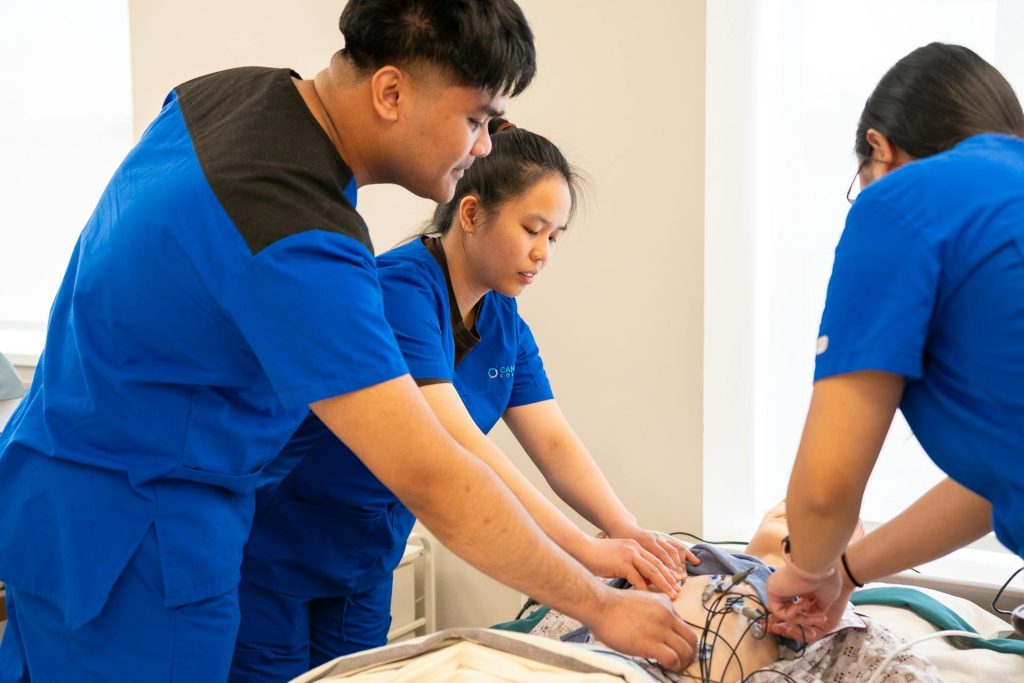
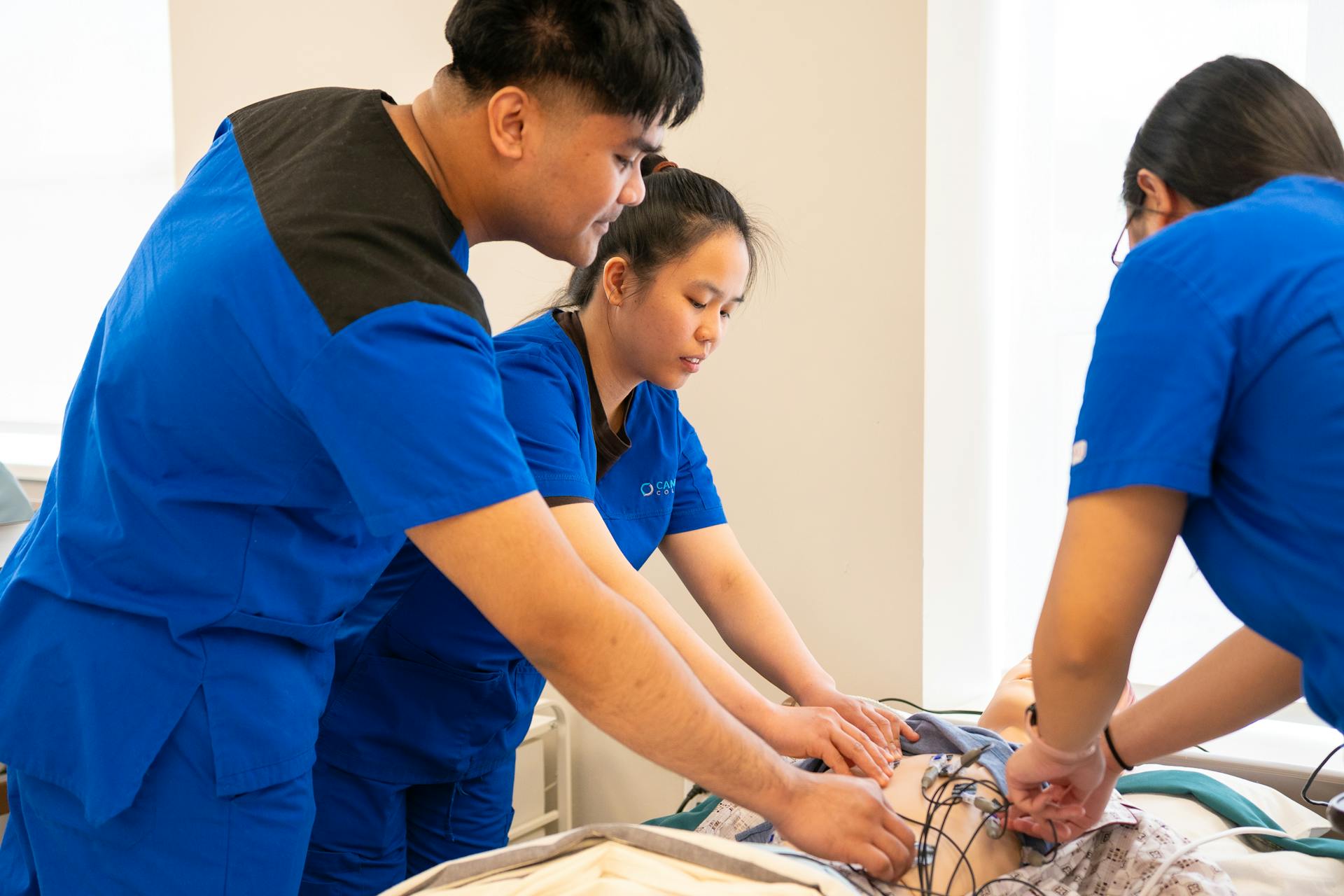
Many people imagine nursing as simply checking on patients or following the doctor’s instructions, but the job includes much more. Nurses monitor symptoms, manage medications, explain care plans, and respond quickly when something changes. They also coordinate with other health professionals and help families understand what is happening. Nursing requires strong attention, good judgment, and the ability to handle several tasks at once. The work can be busy and unpredictable, especially in hospitals. Learning what nurses actually do each day can help you decide if the role matches your expectations and interests.
Skills You Already Bring With You
You do not need a health care background to succeed in nursing. Many career changers bring valuable skills from other fields. If you have worked in customer service, you may already know how to stay calm with people who feel upset. If you have managed projects or teams, you may have strong organization and time management. Teaching, business, or technology experience can also support nursing in surprising ways. Nursing needs people who can solve problems, communicate clearly, and work well with others. Your past experience can become a strength, not something you leave behind.
The Physical and Mental Reality
Nursing can be rewarding, but it also asks a lot from your body and mind. Many nurses spend hours on their feet, help move patients safely, and work through busy shifts with few breaks. The job also brings emotional demands. You may care for people who feel scared, uncomfortable, or seriously ill. Some days will feel heavy, and you need healthy ways to manage stress. This does not mean nursing is only difficult, but it does require resilience. If you feel ready for a role that challenges you physically and emotionally, nursing may still be a strong fit.
So Many Paths Beyond the Hospital
One reason nursing appeals to career changers is the variety of roles available. While many nurses start in hospitals, the profession offers far more options over time. Nurses work in clinics, schools, community health programs, mental health settings, and home care. Some move into public health, research, education, or health technology. Specialties such as pediatrics, oncology, and emergency care allow nurses to focus on areas they care about most. This flexibility means nursing can grow with you as your interests change. If you want a career with multiple directions, nursing provides many long-term possibilities.
Understanding the School Commitment
A nursing career change requires returning to school and completing structured training. Registered nurses either earn a Bachelor of Science in Nursing or an associate degree in nursing. Many second-degree students choose accelerated BSN programs, which move quickly and require full-time focus. Nursing education includes science-based coursework along with supervised clinical hours in real health care settings. You will learn patient care skills, medical knowledge, and professional standards. The schedule can feel intense, so planning matters. Before applying, it helps to understand the time, cost, and energy required so you enter the program prepared.
How Nursing Fits Your Lifestyle
Nursing offers strong career stability, but the work schedule can look different from a typical office job. Many nurses work shifts that include nights, weekends, or holidays, especially early in their careers. Hospital shifts are often long, such as 12-hour days, which can provide more days off but also require stamina. Other nursing roles, like clinics or schools, may offer more regular hours. Think about your personal responsibilities, family needs, and preferred routine. A good fit depends on whether you can adjust to the realities of health care scheduling.
Choosing nursing as a career change is a major decision, and it deserves careful thought. Nursing can offer meaningful work, steady opportunities, and the chance to support people during important moments in their lives. At the same time, it requires physical effort, emotional strength, and a serious commitment to education and training. The best way to know if nursing is right for you is to reflect honestly, learn what the job involves, and take small steps to explore the field. With the right preparation and motivation, nursing can become a fulfilling and lasting new direction.

Peyman Khosravani is a seasoned expert in blockchain, digital transformation, and emerging technologies, with a strong focus on innovation in finance, business, and marketing. With a robust background in blockchain and decentralized finance (DeFi), Peyman has successfully guided global organizations in refining digital strategies and optimizing data-driven decision-making. His work emphasizes leveraging technology for societal impact, focusing on fairness, justice, and transparency. A passionate advocate for the transformative power of digital tools, Peyman’s expertise spans across helping startups and established businesses navigate digital landscapes, drive growth, and stay ahead of industry trends. His insights into analytics and communication empower companies to effectively connect with customers and harness data to fuel their success in an ever-evolving digital world.