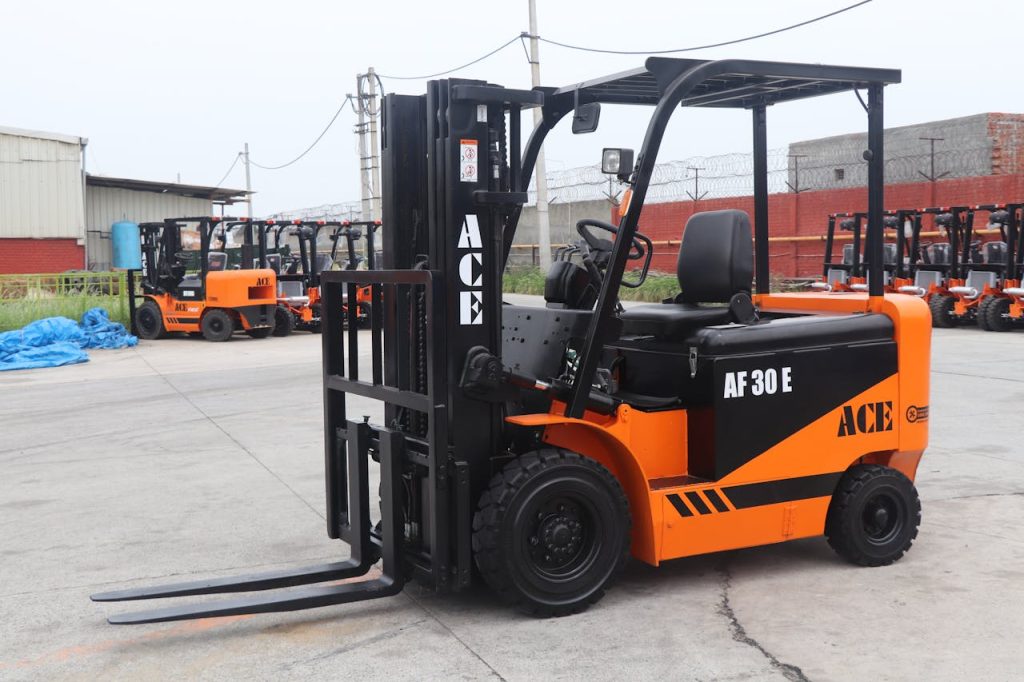
When it comes to managing heavy materials and large loads at your site, the right equipment can make all the difference. Forklifts have long been a staple in warehouses, construction sites, and logistical operations, but the decision to hire one rather than purchase outright warrants careful consideration. Here’s an overview of key factors to keep in mind when determining whether forklift hire is the right solution for your needs.
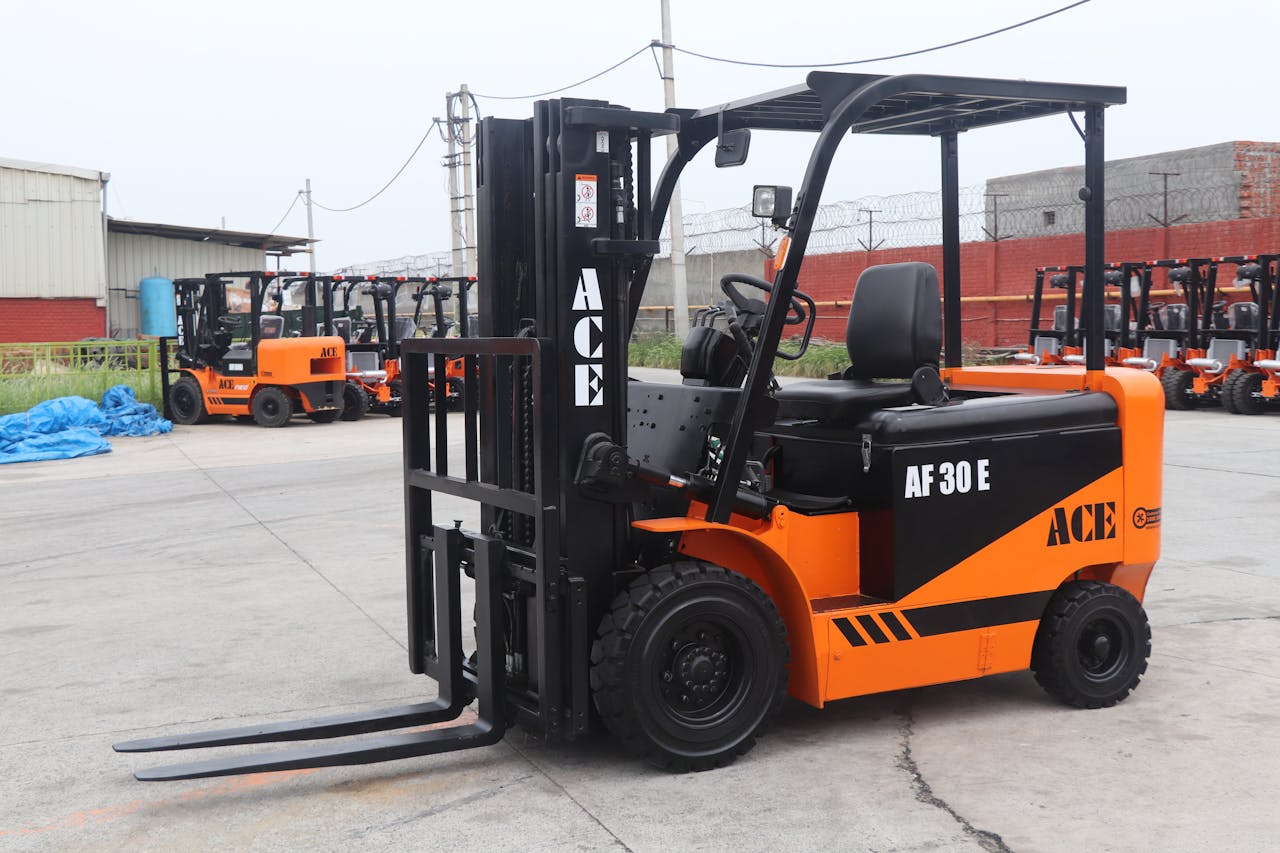
Understanding Your Specific Requirements
Assessing the Type of Work
Before diving into hiring or purchasing a forklift, start by evaluating the tasks at hand. Understanding your workload is crucial for this decision. Consider the following:
- Volume of Loads: Are you handling large quantities of materials regularly, or do you experience fluctuating demands?
- Weight of Materials: What is the general weight of the loads you’ll be lifting? Different forklifts have varying weight capacities.
- Frequency of Use: Will the forklift be utilized daily, or only sporadically? This will impact the cost-effectiveness of hiring vs. buying.
Taking an inventory of these aspects can help you conclude if hiring a forklift for your site is necessary and beneficial.
Duration of Need
Another aspect to consider is the duration for which you require the forklift. If your requirements are seasonal or project-based, hiring could be more advantageous. For example, if you’re in construction, you might only need a forklift for the duration of a project, making it far more cost-effective to arrange forklift hire for your site than to invest in a piece of expensive equipment that will sit idle for much of the year. Many companies offer flexible rental terms that can cater to short, medium, or long-term engagements.
Cost Analysis: Buying vs. Hiring
The Initial Investment
Purchasing a forklift requires a substantial upfront investment, which includes not just the purchase price but also additional costs like insurance, maintenance, and storage. In contrast, hiring eliminates these burdens since you typically only pay a rental fee. This fee can often include servicing and maintenance, allowing you to focus on your operations without the headache of upkeep.
Hidden Costs
Sometimes the hidden costs of ownership can outweigh the benefits. Consider potential expenses such as:
- Insurance: Forklifts require insurance, which can add to the overall expense.
- Maintenance: Regular servicing is necessary to ensure optimal performance and compliance with safety standards.
- Depreciation: Forklifts lose value over time, and should you choose to sell, you might not recoup your initial investment.
By hiring instead, you sidestep these complex financial considerations, making it easier to budget effectively.
Capacity and Versatility
Equipment Variety
Hiring allows businesses to access a diverse range of machinery tailored to specific tasks. Different types of forklifts are suited for various environments—from electric models ideal for indoor settings to rugged forklifts for outdoor use. If your projects vary greatly, having the option to switch between different kinds of forklifts can improve efficiency.
Up-to-Date Technology
When you hire, you often have access to the latest models equipped with advanced technology that can enhance productivity and safety. As manufacturers develop more sophisticated machinery, hiring allows you to keep pace without constantly investing in new purchases.
Training and Safety Considerations
Operator Expertise
While hiring a forklift may seem straightforward, operator training is vital for safety and efficiency. Make sure that your team is adequately trained to handle the specific model you choose. Many hire companies offer training programs, which can be an added benefit if you do not have experienced operators on your team.
Safety Compliance
It’s also crucial to ensure that the equipment you hire complies with local safety regulations. Make sure to inquire about maintenance logs and certifications when you decide to hire. A well-maintained forklift not only improves performance but also vastly increases safety at your site, minimizing the risk of accidents.
Industry Trends Influencing Forklift Hire
Economic Factors
In today’s economic landscape, many businesses are adopting a more prudent approach to equipment management. An increasing number of firms are opting for hiring rather than purchasing to maintain flexibility and reduce costs. According to industry data, rental demand is rising, primarily driven by companies that need to manage unpredictable workloads.
Seasonal Demand Fluctuation
For many businesses, seasonal demand can result in a variable workload. Industries such as agriculture or retail may find that hiring a forklift during peak seasons allows them to manage increased inventory without the overhead of a permanent fleet.
Conclusion: Weighing Your Options
In summary, deciding whether to hire or purchase a forklift involves multiple factors beyond just the initial financial outlay. Consider your operational needs, the duration of your project, costs associated with ownership, and safety considerations. With the right research and planning, hiring a forklift may very well be the most efficient strategy for your site’s needs.
If you’re leaning toward hiring, various companies are available that can adequately meet your forklift requirements. By doing so, you can ensure that your operations run smoothly while maintaining the flexibility to scale as needed. For those ready to take the leap, you can easily arrange forklift hire for your site by referring to reliable services that can facilitate your unique specifications.
In an ever-diversifying market, having the right equipment, whether through purchase or hire, can significantly impact your operational efficiency and success. Make sure your decision aligns with your long-term business goals.

Peyman Khosravani is a seasoned expert in blockchain, digital transformation, and emerging technologies, with a strong focus on innovation in finance, business, and marketing. With a robust background in blockchain and decentralized finance (DeFi), Peyman has successfully guided global organizations in refining digital strategies and optimizing data-driven decision-making. His work emphasizes leveraging technology for societal impact, focusing on fairness, justice, and transparency. A passionate advocate for the transformative power of digital tools, Peyman’s expertise spans across helping startups and established businesses navigate digital landscapes, drive growth, and stay ahead of industry trends. His insights into analytics and communication empower companies to effectively connect with customers and harness data to fuel their success in an ever-evolving digital world.