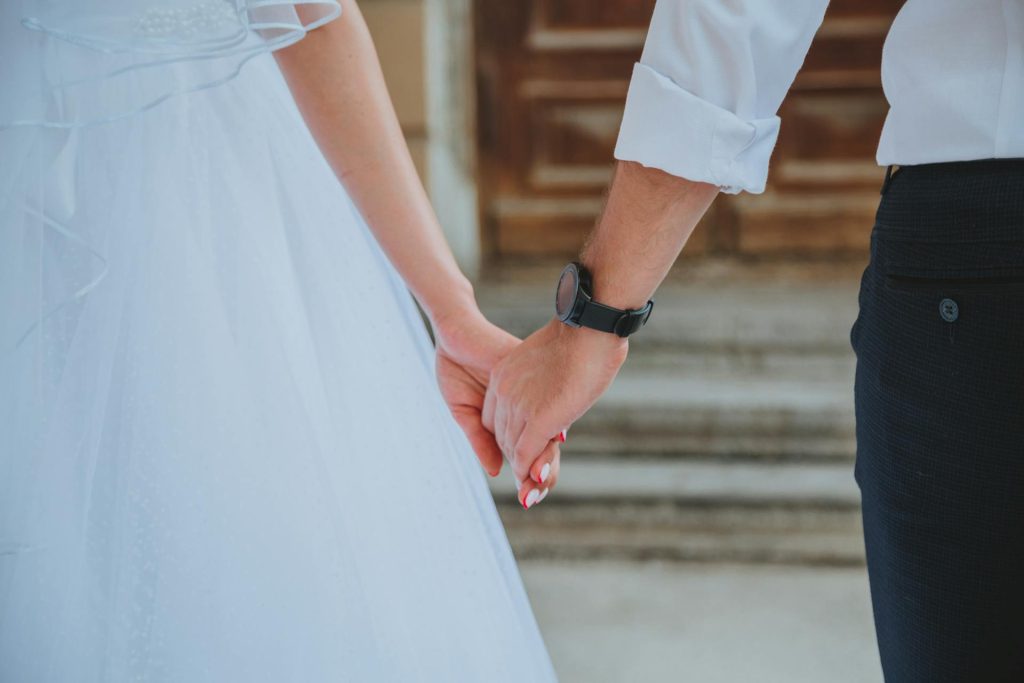
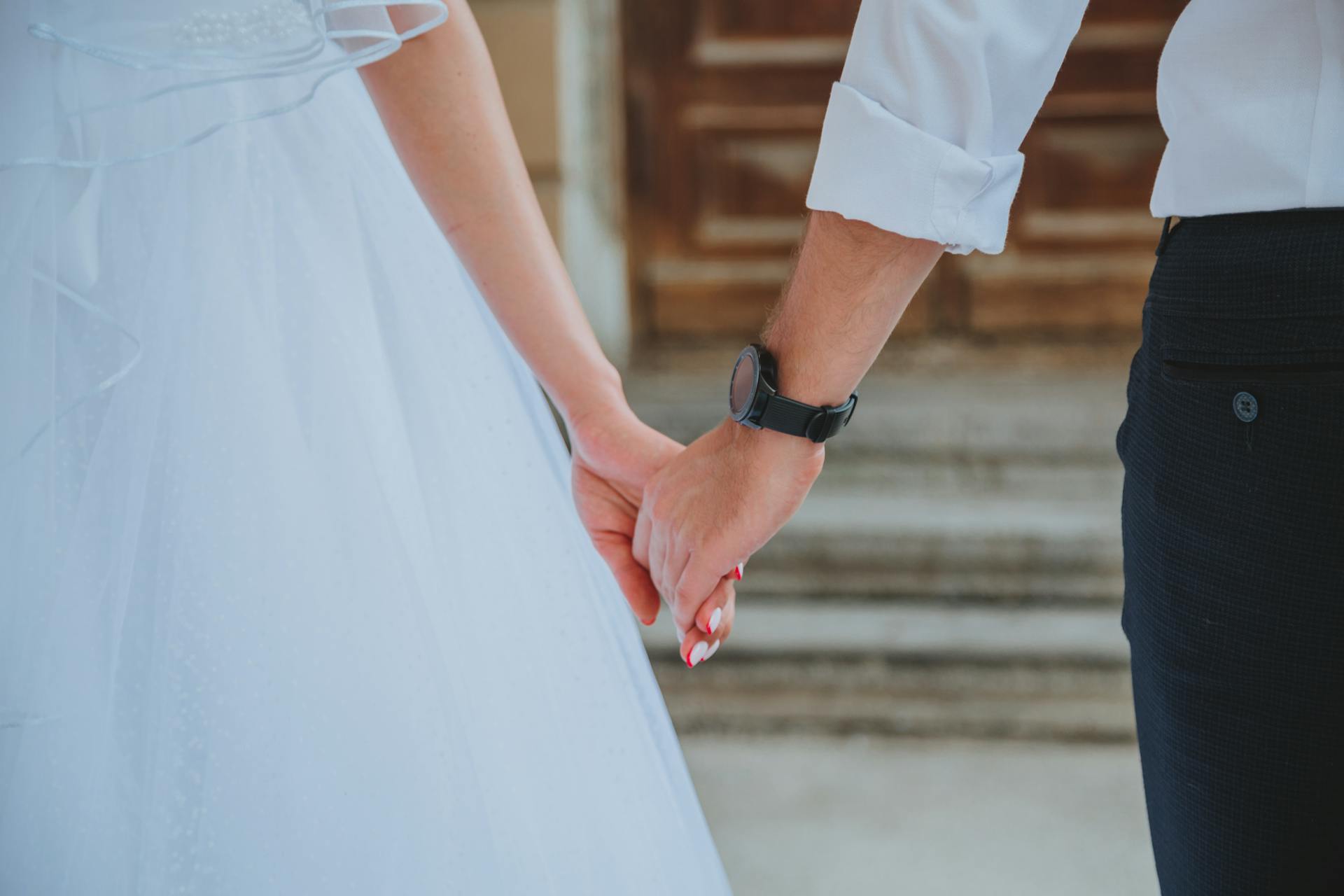
Photographers who photograph weddings face that moment following a gorgeous wedding often is preceded by the dreadful real-life scenario: thousands of photos sitting on an image memory card, awaiting to transform into a congruous stunning gallery.
Culling is something that’s always required but a specific challenge comes up when clients are restricted by gallery restrictions, be it due to contract agreements, album restrictions or restrictions on the platform.
This is when culling photos to gallery limits can be a scientific process as well as an art. This is no longer just about eliminating the bad, it’s the art of strategically curating narratives in a defined container.
The Art of Killing Your Darlings: A Philosophy for Precise Wedding Photo Culling
Before you can get into the technique before you begin, you must understand the reasons behind culling photos to gallery limits is an art that deserves to be learned. If you’re able to store an infinite amount of photos there is a temptation to make it all inclusive.
The possibility is that you can keep the “decent” shot just because it’s there. If a specific number is established–for example, 600 photos to be taken during an eight-hour wedding, each photograph must be worthy of its spot.
This restriction isn’t an obstacle, but an opportunity for freedom. This constraint forces you to become an uncompromising editor, to improve your standards and provide galleries where each image is a part of the tale.
According to a professional source, “Showing your clients too many photos dilutes the impact of those really awesome photos you want to feature” . An image gallery that has strict limitations guarantees that only “wow” images survive, making for a stronger and unforgettable event for your couple.
Understanding Your Target Number
The first step of culling photos gallery limits is figuring out what the source of limitation is. Different scenarios present different constraints:
- Contractual Deliverables: Your contract may include “600-800 edited images.” There’s a floor to walk on and the ceiling you want to meet.
- Limitations on Album Design In the case of designing for an album layout, then the number of pages determines the exact number of images you’ll require. There may be only 40-60 photos that have to fit within a particular arrangement.
- The storage limits of platforms: A few galleries have limitations that are inherent to them . Being aware of these limits in advance can prevent last-minute chaos.
- The Client’s Preferences: Certain customers have a preference for a well-curated gallery instead of a tidal wave of pictures.
Whatever your reasons, knowing the exact goal before beginning cutting is not a matter of choice. Record it in your notebook. It will become your standard measurement.
The Strategic Workflow for Precise Culling
The process of achieving a desired number is a process that requires multiple passes. It is not enough to cull one time and expect to hit exactly the same number. This is an established method to use for culling images to gallery limits without a doubt.
Pass One: The Technical Triage (Elimination)
The initial step is eliminating anything which is technically not usable. This is an objective process. What you are seeking is:
- Images that are clearly blurry: unless the blur was a deliberate decision of a creative mind, it’s a no-go.
- Closed-eyes: especially for group shots and key occasions.
- Unsuspecting exposure errors images that cannot be repaired.
- Test images and clicks that happen accidentally Your feet, the ground feet, and the inside of the camera bag.
It is the first step to dramatically cut down your list without the use of a lot of creative brain power. This clears the way to make more focused decisions in the future.
Pass Two: The Storyteller’s Edit (Selection)
You now begin the search for the creative. It is here that you are looking to find the story. You can group your pictures by the scene: getting prepared, getting ready for ceremonies, portraits, reception. Within each category the goal is to get the best image of an event.
An effective shift in mindset originates by photographer Katelyn James, who is a proponent against culling in reverse. “Start with the HARDEST part! The reception!
Normally, if you start culling photos to gallery limits, from the beginning of the day to the end, you just start to dread the reception,” she says. “If you START with the worst part, you cull more efficiently and you won’t lose momentum as quickly” . This method ensures that you provide the same amount of energy for each part of your day.
In this process, you should keep an eye out for duplicates. It’s not difficult to collect three similar images from an image session. However, check to see if the final image brings something different to the narrative? If there’s no reason to believe it, then it’s an ideal candidate to get rid of. This is at the heart of the process of culling photos gallery limits–choosing quality over quantities.
Pass Three: The Count and Adjust (Refinement)
Following Pass Two, you should be able to make a prelim choice. You can now take a look at these. Are you close to your goal number?
- If you’re not over the upper limit, congratulations! You’ve chosen carefully. The time has come to take advantage of examining those images from your “maybe” pile–those images you considered but didn’t know about — to determine if they are worthy of inclusion.
- If you’re over the limit, this is when the actual task in culling images to gallery limits commences. It is essential to make difficult decisions.
The Art of the Final Cut: Techniques for Hitting Your Number
If you’re over the limit and have to lower your intake, follow these methods to make sensible decisions.
- The “One Per Moment” Rule
Take a look at your gallery by stage. In the case of your first kiss it is possible that you have saved three pictures. Are you able to tell the story by using two? Toss the bouquet, you could have five. Do you know it by three? Test each group to determine whether a single photo has the power to convey the emotion of the time.
- The “Zoomed Out” Test
Explore your gallery in thumbnails. Most of the time, pictures that appear distinctive at 100% seem remarkably similar when viewed in a grid. If two images appear nearly alike at first glance, they’re likely to be redundant within the narrative.
- Seek External Feedback
If you’re having trouble, seek another pair of eyes. Your colleague, or perhaps your friend can detect duplicates or less appealing images you’ve become attached to.
Practical Tips for Using AI to Meet Gallery Limits
If you decide to utilize AI to assist in culling images to gallery limits be sure to follow these recommended practices to get the best outcomes.
- Set Realistic Expectations
If you are attempting to cull a specific amount, remember that AI may return lower quality images than what you asked for if it is unable to find sufficient quality images that satisfy your requirements. In the words of Imagen says, “if you want to keep a high number of photos, we might give back fewer than you asked for.
This happens if we don’t find enough photos to rate as Keepers or Extras” . It’s actually a quality control option that prevents you from sending low-quality images in order to reach the number you want to hit.
- Review and Refine
The AI’s choice can be a good starting point but it is not a finished product. Make sure you go through all the “Keepers” and the “Extras.” It is possible that the algorithm failed to capture an important moment you would like to add and/or it saved images you do not like.
It is important to utilize the program to reach an 80-90 percent level that you are, and then add your own personal touch for the final touch.
- Use Edited Previews
A few AI culling software allows the application of the AI Profile to your images prior to culling photos to gallery limits. This gives the user an enhanced preview. This helps you make better well-informed decisions since the images are viewed close to their actual condition rather than just flat RAW images .
Conclusion
Limiting gallery space to a certain extent is among the most difficult but enjoyable skills wedding photographers are able to learn. This transforms an overwhelming collection of photos into an organized, powerful narrative that celebrates the day of your wedding and also the vision you have for your wedding.
If you opt for a strictly manual process that includes techniques such as culling backwards or ruthless deletion of duplicates or benefit from the capabilities of AI software designed specifically for exact-number culling, the end goal is the same: create an online gallery where each picture is significant.
When you combine a smart workflow with advanced technology that utilizes culling photos gallery limits, you’ll be able to make sure you hit the numbers and save time and make your gallery a stronger and lasting user experience for your customers.
Pallavi Singal is the Vice President of Content at ztudium, where she leads innovative content strategies and oversees the development of high-impact editorial initiatives. With a strong background in digital media and a passion for storytelling, Pallavi plays a pivotal role in scaling the content operations for ztudium’s platforms, including Businessabc, Citiesabc, and IntelligentHQ, Wisdomia.ai, MStores, and many others. Her expertise spans content creation, SEO, and digital marketing, driving engagement and growth across multiple channels. Pallavi’s work is characterised by a keen insight into emerging trends in business, technologies like AI, blockchain, metaverse and others, and society, making her a trusted voice in the industry.