For drivers in dense urban markets, the change is especially sharp. New York City sees thousands of motor vehicle injury crashes a year, and any one of them can put a commuter, a delivery driver, or a rideshare passenger into months of medical care. A car accident attorney in Queens handling a typical claim today is as likely to subpoena an event data recorder download as a police report. The evidence is digital first, paper second.
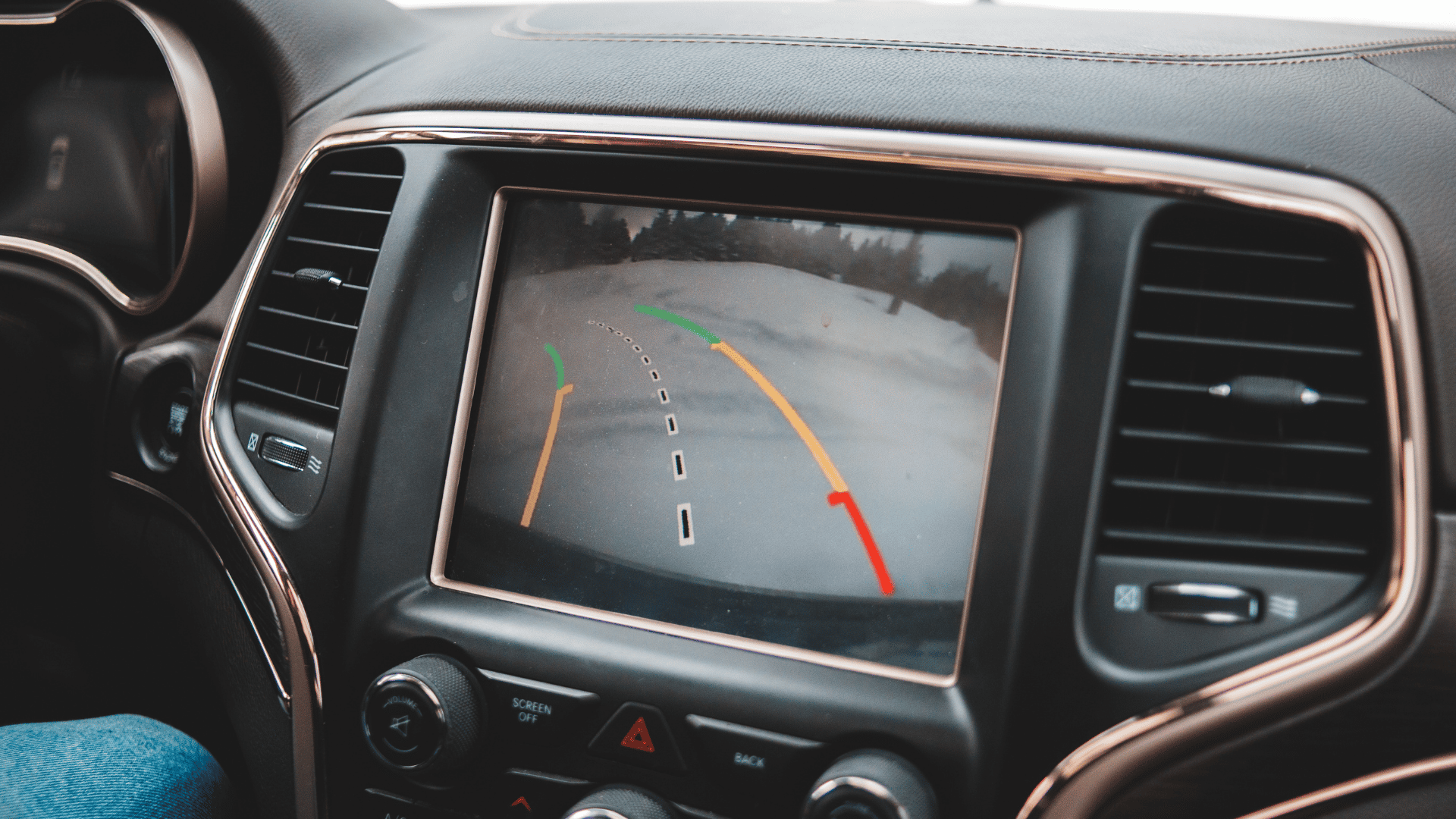
The black box in every new car
Event data recorders (EDRs) have been standard equipment on nearly all new passenger vehicles since 2014. They capture a short window of pre-crash and crash data: vehicle speed, throttle position, brake application, engine RPM, steering input, airbag deployment timing, and whether the driver was belted. The window is typically five seconds before impact through the impact itself.
That data does not lie the way a memory does. A driver who insists they were going thirty can be contradicted by an EDR that recorded forty-eight. A claim that the brake was hit hard can be tested against a recorder that shows the pedal never moved. For commercial vehicles, the picture is richer still: most fleet operators run telematics platforms that log every trip, every hard brake, every lane departure, and tie it to a specific driver login.
Insurers know this. The Insurance Institute for Highway Safety has been publishing crash reconstructions using EDR data for more than a decade, and personal injury attorneys now routinely request the EDR download as part of standard discovery. For businesses with vehicles on the road, the practical question is who controls that data and how long it is preserved.
What the federal data shows about driver behavior
The National Highway Traffic Safety Administration reports that distracted driving killed 3,208 people and injured 315,167 in 2024. Phones are a large share of that, and phones leave a clear digital trail. Cellular records, app activity logs, and in some cases the phone’s own motion sensors can show whether a screen was active in the seconds before a collision.
This matters for employers. A delivery driver scrolling a routing app at a red light is a different liability story than a driver staring at the road. Companies that issue work phones, set delivery quotas, or run gig-economy dispatch platforms have a hand in the data trail and, increasingly, in the legal exposure that flows from it. Vehicle owner liability under New York Vehicle and Traffic Law § 388 already pulls fleet owners into claims tied to negligent operation; sensor data is what proves or disproves the negligence.
How New York’s no-fault system fits in
New York runs a no-fault insurance system. Under Insurance Law § 5102, a basic injury claim is paid by the injured person’s own insurer, regardless of who caused the crash, up to a $50,000 economic-loss cap. Lost wages, medical care, and related costs come out of that pool first.
The catch is the “serious injury” threshold in section 5102(d). To sue the at-fault driver for pain and suffering, the injured person must show one of nine specific outcomes: death, dismemberment, significant disfigurement, fracture, loss of a fetus, permanent loss of use of a body organ or member, permanent consequential limitation of use, significant limitation of use, or a medically determined injury preventing usual activities for ninety of the 180 days after the crash.
Sensor data plays a quiet role here too. An EDR showing a forty-mile-per-hour delta-v at impact lines up with medical evidence of a fracture or a herniated disc. A telematics log showing the at-fault vehicle was speeding through a school zone supports the picture of avoidable harm. The threshold itself is a legal standard, but the data is what makes it stick.
Time pressure on the data trail
A separate problem for businesses and injured drivers: data does not wait. EDR contents can be overwritten by subsequent ignition cycles if the vehicle is driven after the crash. Dashcam loops record over themselves. Fleet platforms have retention windows measured in months, not years. Phone carrier records can be requested but usually require subpoena and a defined time window.
New York gives a personal injury plaintiff three years to file a lawsuit under CPLR § 214(5). The legal deadline is generous. The evidence deadline is not. By the time a case is filed, the vehicle may be salvaged, the phone may have been replaced, the dashcam SD card may have been formatted, and the fleet platform may have purged the trip log. Preservation letters and prompt litigation holds are now part of the basic playbook for any meaningful crash claim.
For companies that run vehicles, the takeaway is straightforward: build retention into the policy. Pull and archive EDR data after any reportable crash. Mirror dashcam footage off the device. Document who had which phone, which app, which login. The cost of doing it is low. The cost of not doing it shows up later as an inability to defend against a claim, or an inability to recover against the party actually at fault.
Where this is headed
Vehicles are getting more connected, not less. Insurers are rolling out usage-based policies that ingest telematics in real time. Manufacturers are adding driver-monitoring cameras, automatic emergency braking logs, and over-the-air diagnostic uploads. Several states are studying mandatory dashcam standards for commercial fleets.
Two things follow. First, claim outcomes will increasingly turn on data analysis rather than witness recall. Second, the businesses that handle vehicle data carefully, with clear retention policies and clean chains of custody, will be in a better position whether they are claiming or defending. A crash that used to be a swearing match between two drivers now plays out in spreadsheets and timestamp logs. The party with the better records usually wins.