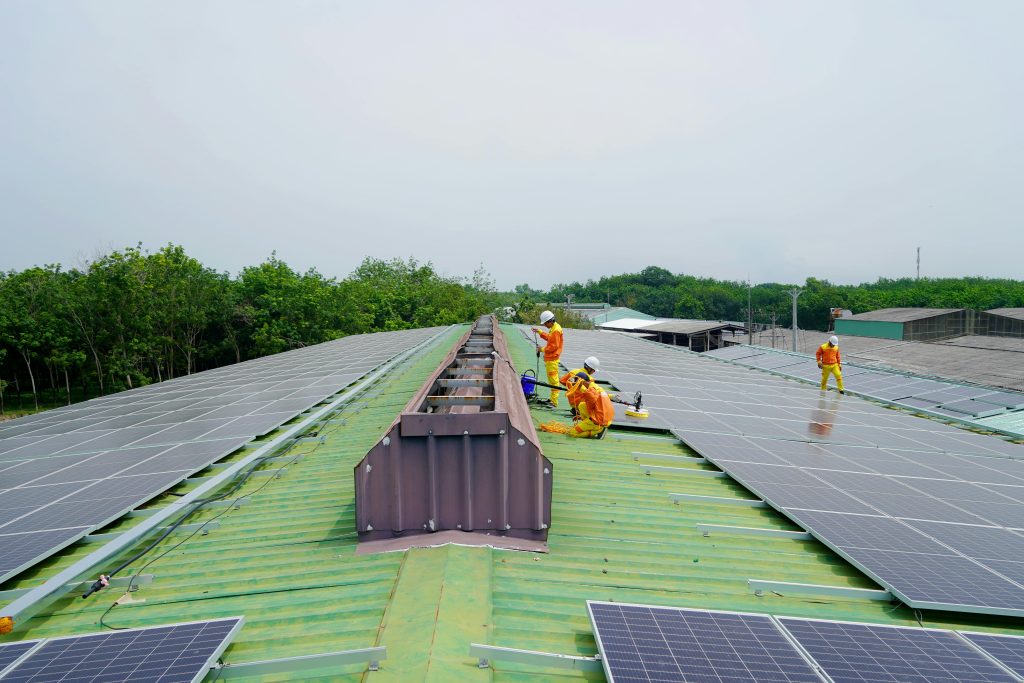
Active worksites rely on steady electricity for machinery, tools, lighting, and temporary offices. Diesel generators traditionally supply that demand across construction and resource projects. Fuel purchases form a significant portion of total site expenditure. Sustainable power systems introduce a structured energy supply that reshapes fuel usage patterns.
To review available solutions and visit this website, project managers should analyse detailed fuel consumption records first. Accurate data reveals generator runtime across daily operational cycles. Clear figures identify peak demand periods and high-load equipment clusters. Structured evaluation supports informed decisions about energy system integration.
Reduce Generator Runtime Through Hybrid Systems
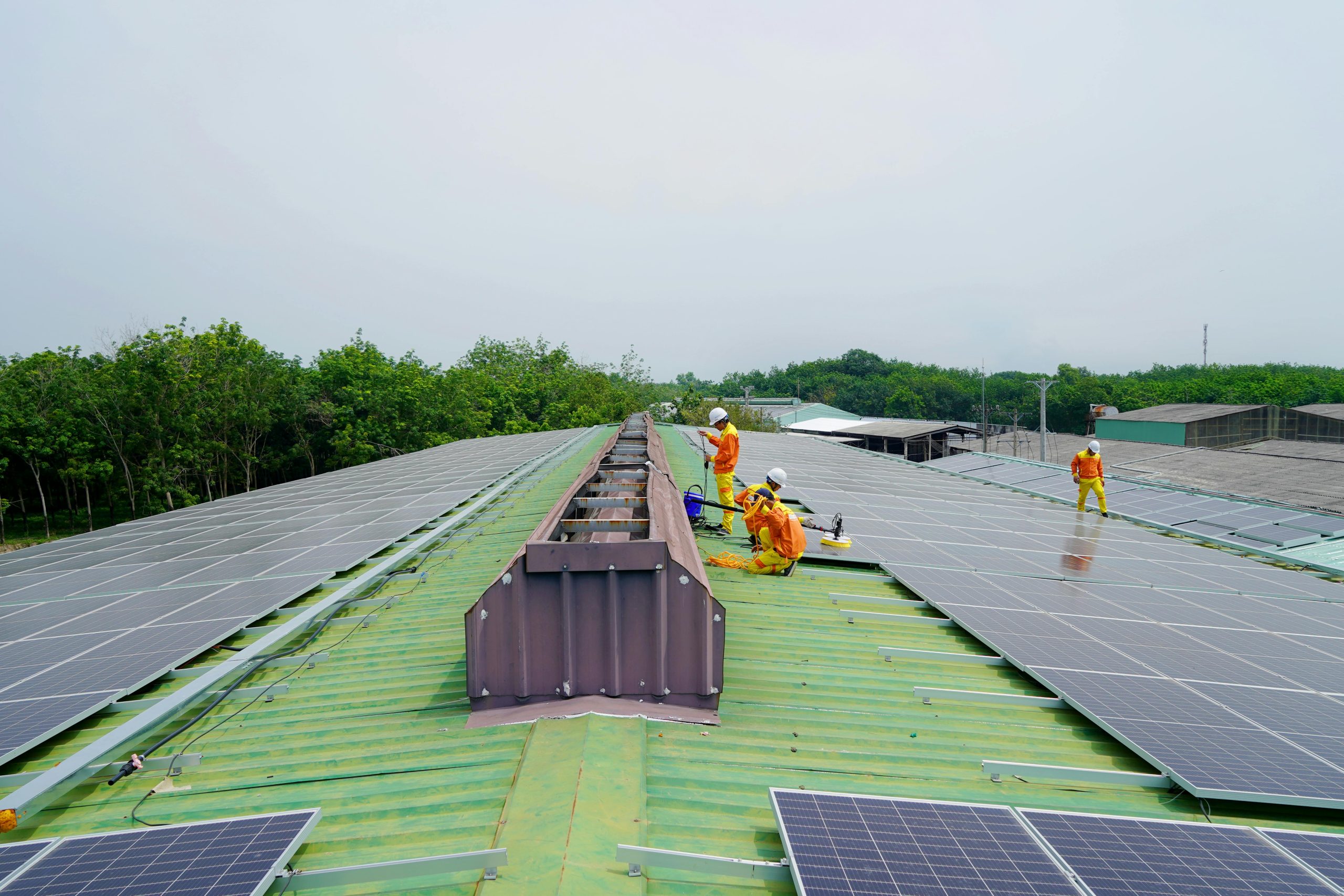
Hybrid systems combine renewable assets with conventional generator support. Solar arrays supply electricity during daylight operational hours. Battery units store surplus capacity for later site demand. Diesel generators operate according to controlled load requirements.
Lower generator runtime directly influences overall fuel allocation on site. Reduced operational hours decrease scheduled refuelling intervals. Coordinated energy distribution supports predictable equipment performance. Structured supply management aligns output with real-time workload demands.
Optimise Equipment Load Allocation
Detailed energy audits identify machinery that draws high fuel volumes. Excavators, compressors, pumps, and lighting towers operate under varied demand profiles. Load mapping clarifies which assets require constant power delivery. Accurate assessment guides balanced allocation across available energy sources.
Site supervisors can implement targeted load distribution strategies. Smart controllers regulate output across connected devices. Stored solar capacity supports high demand intervals without immediate generator activation. Coordinated planning supports consistent equipment availability during project phases.
Strengthen Power Stability With Renewable Assets
Renewable generation contributes stable electricity during core work hours. Solar infrastructure converts available sunlight into usable electrical output. Battery storage maintains supply continuity across variable consumption cycles. Balanced integration supports steady voltage across distribution networks.
Project teams should evaluate core technical factors before integration:
- Average daily generator runtime across project zones
- Total connected load from primary equipment clusters
- Battery capacity aligned with forecast demand cycles
- Electrical infrastructure compatibility with hybrid systems
Careful review of these criteria clarifies infrastructure alignment. Clear metrics support practical configuration decisions. Defined parameters guide structured integration across operational zones. Technical evaluation strengthens long-term site energy planning.
Improve Cost Visibility And Fuel Planning
Sustainable power solutions support transparent cost tracking. Digital monitoring tools record output and consumption data. Managers review dashboards that display daily energy performance. Accurate records support informed budgeting decisions across project phases.
Fuel planning becomes more predictable with a hybrid supply. Reduced generator runtime lowers bulk fuel purchases. Logistics teams coordinate deliveries with improved precision. Structured oversight enhances financial clarity across active worksites.
Pick a Reliable Power Expertise For Complex And Remote Projects
High-demand sites require power specialists with proven field experience. Skilled teams assess load data and evaluate generator performance carefully. Structured hybrid designs align solar, battery storage, and backup supply with operational targets. Clear technical planning supports safe and efficient deployment.
Comprehensive service includes design, installation, and ongoing system oversight. Engineers configure scalable infrastructure suited to evolving project demands. Real-time performance tracking provides measurable fuel and energy insight. Consistent technical support strengthens long-term power strategy decisions.
Sustainable power systems reshape how workspaces manage energy expenditure. Lower generator reliance supports direct fuel cost reduction. Integrated renewable assets strengthen operational oversight. Careful planning aligns energy strategy with site performance objectives.

Peyman Khosravani is a seasoned expert in blockchain, digital transformation, and emerging technologies, with a strong focus on innovation in finance, business, and marketing. With a robust background in blockchain and decentralized finance (DeFi), Peyman has successfully guided global organizations in refining digital strategies and optimizing data-driven decision-making. His work emphasizes leveraging technology for societal impact, focusing on fairness, justice, and transparency. A passionate advocate for the transformative power of digital tools, Peyman’s expertise spans across helping startups and established businesses navigate digital landscapes, drive growth, and stay ahead of industry trends. His insights into analytics and communication empower companies to effectively connect with customers and harness data to fuel their success in an ever-evolving digital world.