The world of fine dining is moving toward a focus on pure ingredients and bold flavors. Chefs no longer use fat just to keep food from sticking to the pan. Instead, they treat high-quality oils like a secret spice that can change the entire profile of a dish. This shift has turned the kitchen into a space for testing how liquid gold can improve everything from appetizers to desserts.
The Rise of Liquid Gold in Modern Kitchens
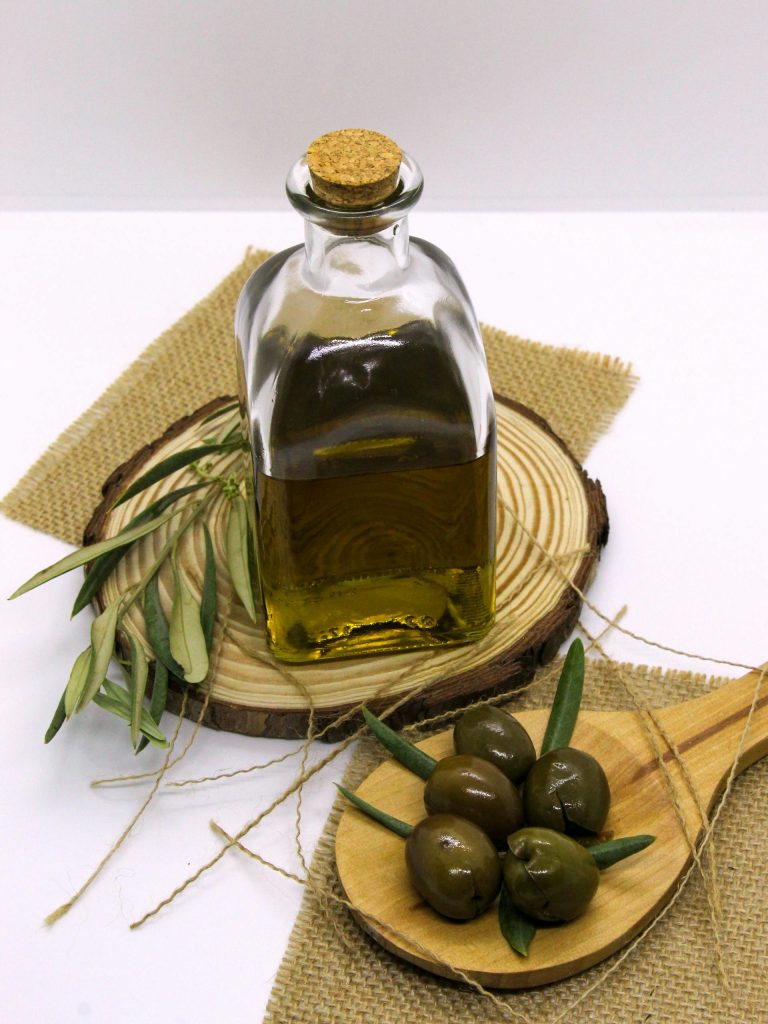
Premium oils have become the backbone of many new cooking styles across the globe. Professional cooks look for products that offer more than just a simple greasy base for frying. They want complex notes like fresh grass, green tomato, or even a hint of pepper.
The global market for these products was valued at $19.35 billion in 2024. It is expected to grow to over $31 billion in the next 10 years as more people value quality. This financial growth reflects a change in how we view basic pantry staples.
Health Benefits Meet High-End Flavor
Cooking with top-tier ingredients is not about the taste on the tongue alone. Many people now choose their staples based on how they help the body stay strong. High-quality fats play a major role in heart health and fighting off internal stress.
A study from 2025 showed that high-polyphenol extra virgin olive oil helps lower blood sugar markers and reduces inflammation. Using organic olive oil, such as Frantoio Grove, is a common way to get these perks. This choice allows chefs to create meals that are both indulgent and helpful for long-term wellness.
Innovative Cold Applications
Many modern recipes call for using oil at the very end of the cooking process. This preserves the delicate scents that would disappear under high heat. Drizzling a robust oil over a cold soup or a fresh burrata adds a layer of luxury.
Some kitchens even use these oils to finish raw seafood or crudo dishes. The oil acts as a bridge between the salt of the sea and the sweetness of the fish. It creates a silky mouthfeel that butter or cream cannot match.
- Drizzle over citrus sorbet for a savory twist.
- Use as a dip for sourdough bread with sea salt.
- Whisk into a vinaigrette for bitter greens.
- Top a warm grain bowl to add creamy texture.
Redefining Traditional Pastry Techniques
Bakers are starting to swap out heavy dairy fats for plant-based options that offer a lighter crumb. Using a fruity oil in a cake or cookie recipe can make the final product stay moist for much longer. It introduces a sophisticated flavor that pairs well with dark chocolate or lemon zest.
This method is a favorite for those who want to avoid animal products without losing any richness. It also means the dessert does not feel heavy after a long meal. The oil carries the scent of the citrus or chocolate more effectively than solid fats.
Infusion and Temperature Control
New technology allows chefs to pull every bit of flavor out of their ingredients. Using vacuum bags and precise heaters lets them blend herbs or spices directly into the oil at low temps. This keeps the oil from smoking or turning bitter during the process.
These flavored fats are then used to make bright green oils that look beautiful on a white plate. These drops of color provide a punch of flavor without overwhelming the main protein. It is a way to keep the dish clean while adding depth.
Global Shifts in Consumer Demand
People are spending more money on luxury pantry items than they did in previous decades. They want to recreate the magic of a high-end restaurant meal in their own homes. This has led to a surge in small-batch producers who focus on specific tree types and harvest dates.
Shoppers are now reading labels as closely as they would for a fine bottle of wine. They look for the location of the grove and the date the fruit was pressed. This transparency builds trust between the grower and the person cooking in their kitchen.
Sustainable Sourcing and Future Growth
The way these oils are made is changing to protect the environment for future generations. Farms are moving toward water-saving methods and natural pest control to keep the soil healthy. This care for the land results in a cleaner product that chefs are proud to put on their menus.
As production methods improve, the variety of flavors available to the public continues to expand. We see more single-variety oils that highlight the unique traits of one specific type of olive. This allows for even more precision when pairing oil with specific ingredients like shellfish or steak.

The culinary world is entering a new era where simple ingredients are the stars of the show. By choosing oils that are pressed with care, both home cooks and pros can elevate a basic meal into something special. These innovations prove that tradition and modern science can work together to create incredible food. Exploring these unique flavors is the easiest way to bring a touch of professional flair to any kitchen.

A dad of 3 kids and a keen writer covering a range of topics such as Internet marketing, SEO and more! When not writing, he’s found behind a drum kit.