
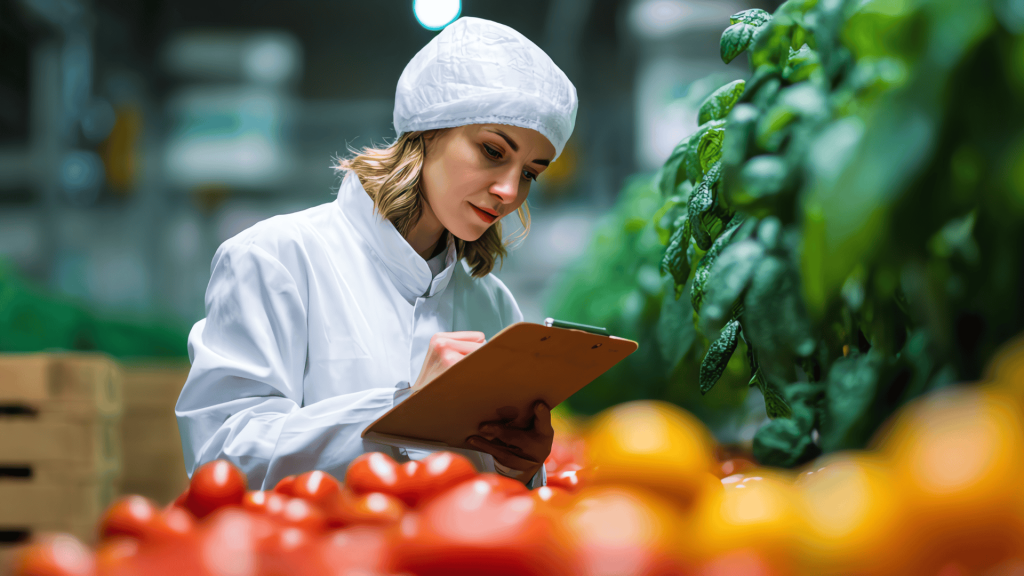
Businesses in the food service industry rely on supply chains to stay profitable. Every single ingredient that enters a kitchen or store has to go through a long process to get there. And when suppliers aren’t vetted or monitored properly, it introduces risk. Poor supplier selection increases the chance of foodborne illness, regulatory violations, operational disruptions, and long-term revenue loss.
A single refrigeration outage can cause extensive damage that can’t be recovered, and that’s why vetting suppliers is critical.
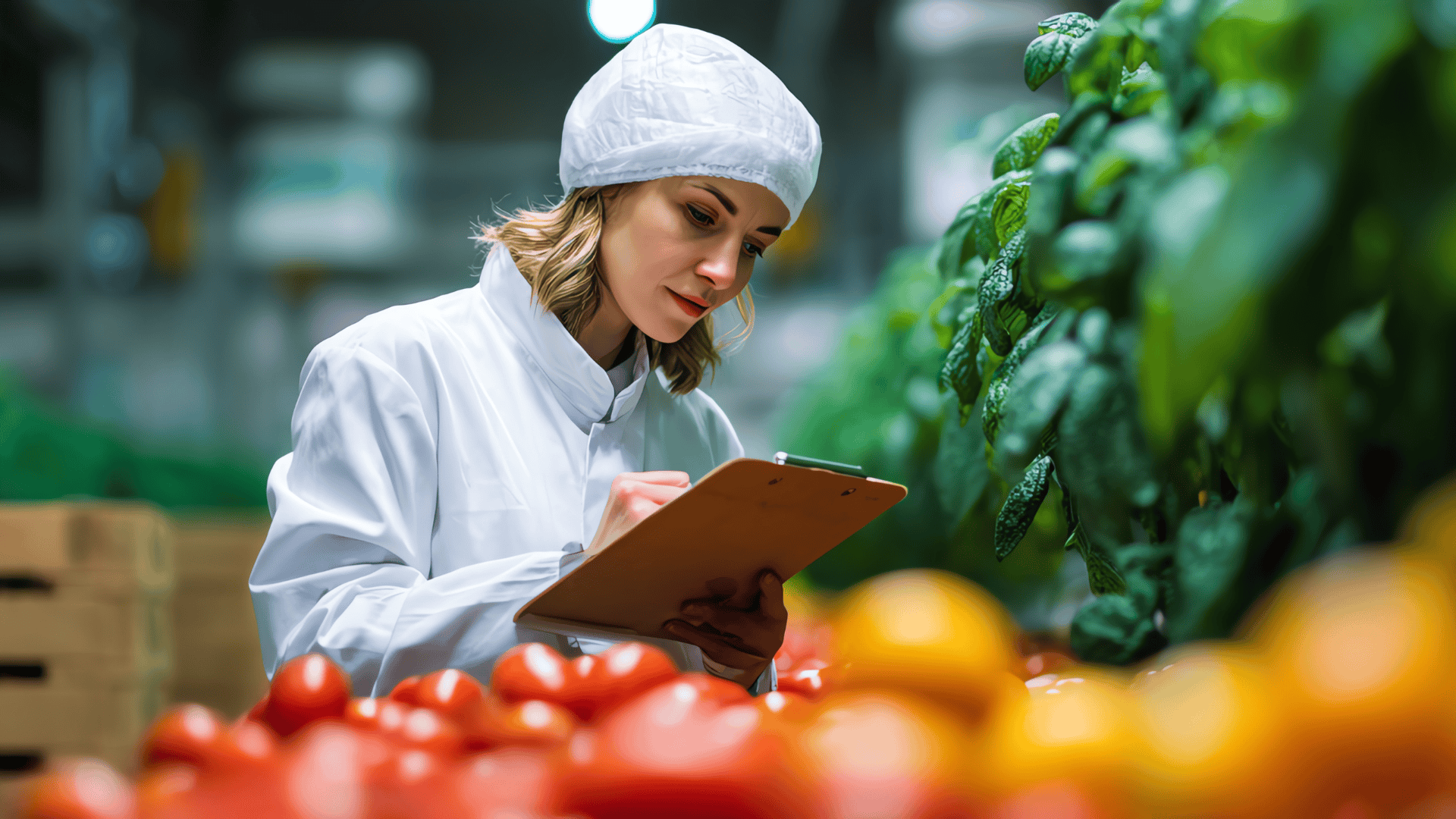
Poor vetting increases the risk of contamination
If you don’t thoroughly vet your suppliers, the risk of contaminated food entering your business increases. Suppliers control critical safety points long before their products reach your receiving dock, and that involves managing cold storage, handling, and transport conditions. Even if your kitchen has perfect internal controls, the best food becomes a liability if temperature controls fail during transit.
According to the USDA Food Safety and Inspection Service, harmful bacteria multiply rapidly when food is held outside safe temperature zones. More specifically, the range between 40°F and 140°F is considered the “danger zone” and is where food is most prone to bacterial growth.
Common errors tied to poorly vetted suppliers include:
- Unverified cold transport practices. A company might claim to have refrigerated transport but this needs to be verified with documented temperature monitoring. A refrigerated truck that fails mid-route can expose food to unsafe temperatures for hours without anyone knowing.
- Lack of temperature logging or alerts. Suppliers need real-time temperature tracking and monitoring systems along with backup power. Without it, when a cooler loses power or malfunctions, food might still be delivered and accepted.
- Poor sanitation standards. Trying to go cheap has a price. Sometimes suppliers don’t follow proper cleaning protocols in their warehouses, trucks, or processing facilities.
- Improper handling. Sometimes food gets left on docks or in staging areas without temperature control and that causes food to enter the danger zone. This is common when companies are perpetually short-staffed during high-volume needs.
Mistakes and accidents happen, but sometimes it’s just the way things are done. That’s why vetting suppliers is crucial. The risks will become a liability for customer safety.
Failed health inspections and regulatory violations are red flags
When health inspectors constantly find problems with suppliers, the citations can add up fast. Common violations can include the following:
- Missing or outdated documentation. Suppliers need to maintain certifications and audit records but often resort to informal notes or nothing at all.
- Lack of traceability records. It’s crucial for suppliers to keep logs of lot numbers, deliveries, and origin details. Without it, tracing contaminated food back to the source is impossible.
- Repeated temperature violations. Deliveries that arrive outside the acceptable temperature range without corrective documentation can trigger violations even when the food is rejected.
- Improper labeling. Some suppliers mislabel allergens, expiration dates, and handling instructions. This is a huge risk.
- Non-compliant sourcing. Suppliers sometimes operate outside required standards to save money. This can expose a food service business to fines and forced product disposal.
The more failed inspections a supplier has, the more scrutiny they receive. Simply vetting your suppliers can reveal this issue if present.
Vetting prevents spoilage and inventory loss
Poorly vetted food suppliers are the leading cause of preventable food waste. This is often caused by a shortened shelf life, partially rejected deliveries, poor quality, or a product that needs to be discarded out of caution. Despite not outright being a safety issue, these losses add up fast.
Legal liability is serious
Your food service business can be held liable if your food causes illness even if you didn’t know about the problem. However, the stronger your oversight, the better your position will be in court if you get sued. For example, if you don’t have documented supplier approval and monitoring, you’ll struggle to demonstrate there were reasonable food safety controls in place.
If your supplier can’t trace particular lots to the source, you’ll be forced to recall a broader product range than necessary, which will increase financial loss. Unfortunately, all of this can lead to denied or limited insurance coverage.
Using poorly vetted suppliers is a huge risk that can result in permanent damage to your brand’s reputation. For example, between 1992 and 1993, Jack in the Box served hamburgers contaminated with E. coli that made hundreds of people sick and killed four children. This caused sales to drop by 35%. It’s been more than 30 years and some people still won’t eat there.
Vetting is damage control
Any shortcut you take will eventually show up as spoiled inventory, failed inspections, or legal problems. You can’t control every aspect of your supply chain but you can make sure you choose reputable, reliable suppliers who don’t cut corners.

Pallavi Singal is the Vice President of Content at ztudium, where she leads innovative content strategies and oversees the development of high-impact editorial initiatives. With a strong background in digital media and a passion for storytelling, Pallavi plays a pivotal role in scaling the content operations for ztudium’s platforms, including Businessabc, Citiesabc, and IntelligentHQ, Wisdomia.ai, MStores, and many others. Her expertise spans content creation, SEO, and digital marketing, driving engagement and growth across multiple channels. Pallavi’s work is characterised by a keen insight into emerging trends in business, technologies like AI, blockchain, metaverse and others, and society, making her a trusted voice in the industry.










