Why Local Knowledge Still Wins
Paul Kaulesar is a real estate broker based in West Palm Beach, Florida. He grew up in Queens, New York, where his parents flipped houses. His mother found the properties, and his father fixed them. Paul learned how to spot value early, not from books or headlines, but from walking the block and watching what others missed.
Today, he uses that same mindset. His deals are based on what he sees and hears—not just what the market reports say. That makes him the perfect person to explain why local observation still beats market forecasts.
Market Reports Show Trends—Not Real-Time Movement
National housing reports come out monthly or quarterly. They track home sales, mortgage rates, and median prices. They’re useful—but slow. By the time the data shows a trend, the locals have already seen it.
A neighbourhood can shift in a few weeks. A new coffee shop. A school expansion. A park cleanup. These small changes often come before prices rise. If you wait for the report, you’re late.
According to a 2023 Zillow survey, 53% of buyers said they chose a home based on “feel of the neighbourhood.” That doesn’t show up in the stats.
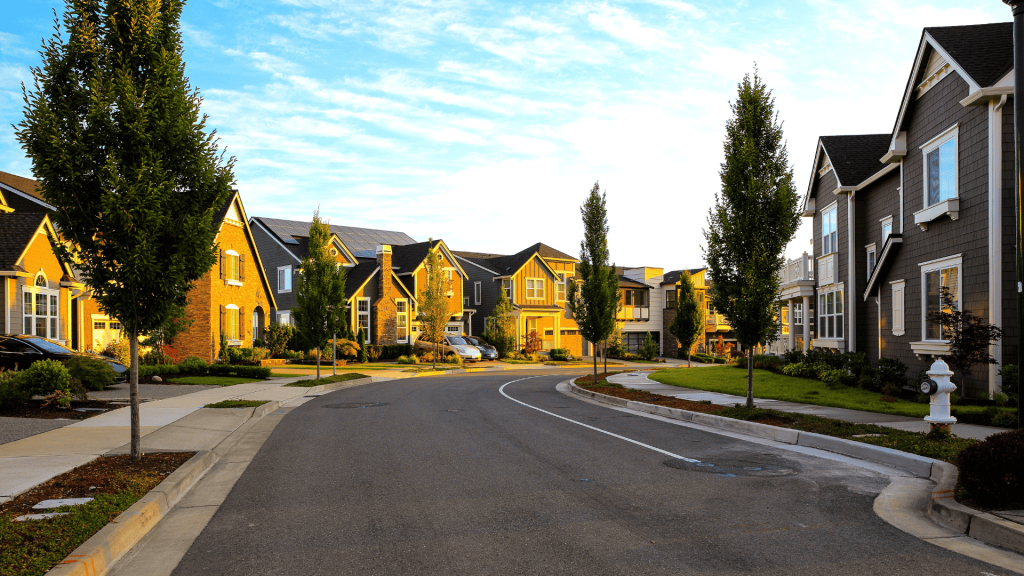
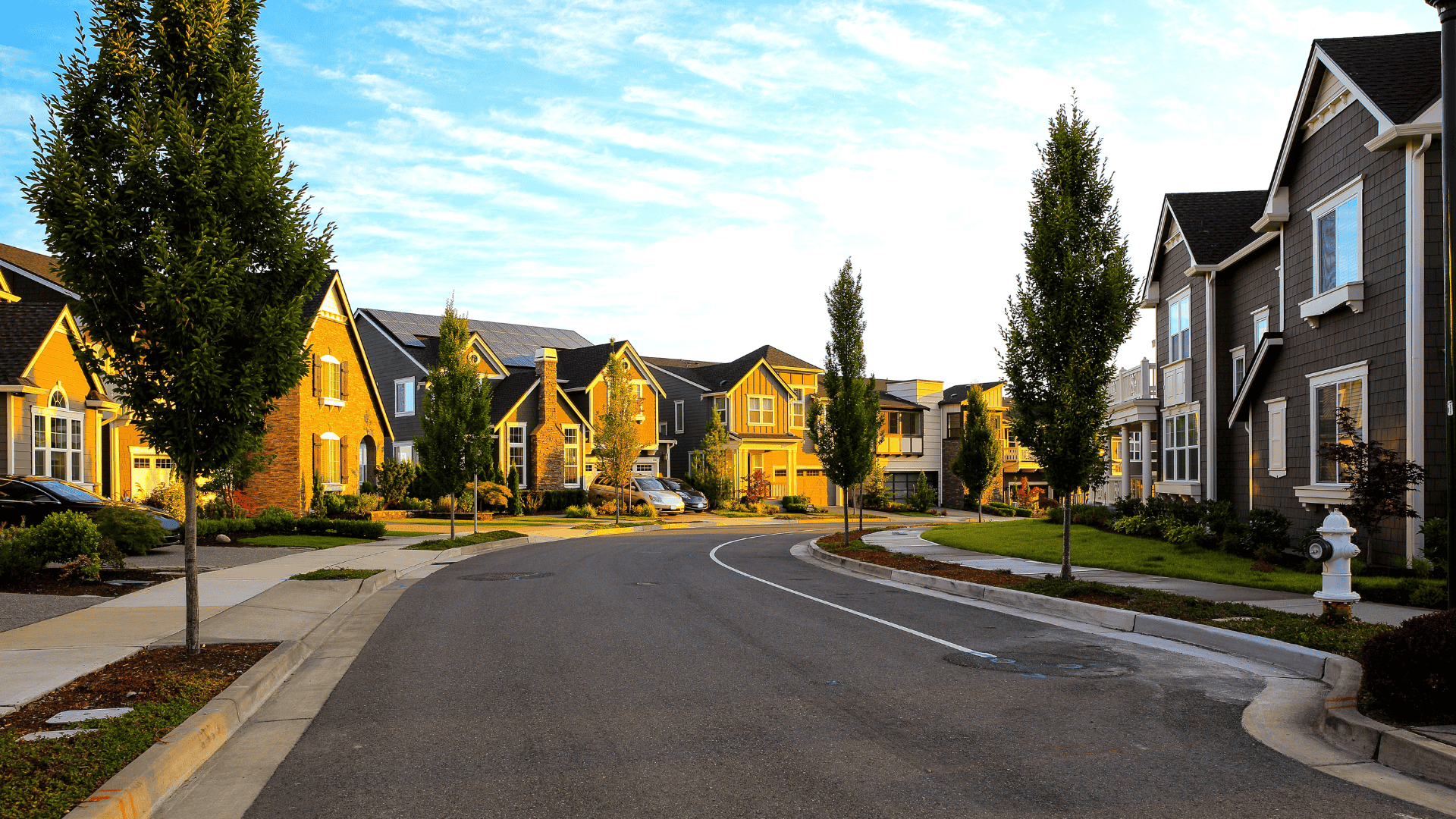
What You Learn From Walking a Block
You learn more in one walk than in five hours of online research. You see:
- Which houses are getting new roofs
- Where the grass is overgrown
- What kind of cars are parked outside
- Whether people walk their dogs or rush indoors
These details show you the story behind the numbers.
“I walked a block once and saw three roll-off dumpsters,” Paul Kaulesar said. “No one reported that. But it told me investors were active.”
Timing is Local—Not National
People often ask, “Is now a good time to buy?” That’s the wrong question. The right one is, “Is this the right block to buy on right now?”
Real estate is hyperlocal. One zip code can be up while the next one drops. One street may attract investors while another stalls. That’s why national trends don’t always help.
“I’ve seen streets one block apart move in opposite directions,” Paul said. “One got a new grocery store. The other got a tire dump.”
If you’re not observing street-level changes, you’re guessing.
Observation Spots What Data Misses
1. Unlisted Renovations
You won’t find these in listings. But when multiple houses on a block get new windows, paint, or landscaping, it’s a signal.
2. Business Activity
A local restaurant that fills up every weekend means people have spending power. That often signals a stable or rising market.
3. Community Involvement
Flyers on lamp posts. Little League signs. Church events. These all point to a neighbourhood people care about.
When people care, values tend to hold or grow.
How to Build Observation into Your Process
1. Walk the Area at Different Times
Visit in the morning, afternoon, and evening. Weekdays and weekends. What changes? Who’s out? Is it quiet or chaotic?
2. Talk to Local Workers
Ask the mail carrier, the trash collector, or the coffee shop manager what’s new. They see and hear everything.
“A barista once told me a new developer bought three properties on the block,” Paul said. “I made a call the same day.”
3. Look for Utility Work
Street markings. Cones. Sidewalk repairs. These are signs of city investment. That often comes before larger improvements.
Don’t Rely on One Source
MLS data is helpful. So are online platforms. But they only tell part of the story. They don’t explain why a property sits on the market. Or who just moved into the area.
Combining market research with boots-on-the-ground observation gives you the edge.
“I use data to confirm what I already see,” Paul said. “Not the other way around.”
Case Study: Buying Before the Shift
In 2021, a small neighbourhood near West Palm Beach had high vacancy. It looked slow on paper. But Paul noticed something.
New roofing trucks appeared every weekend. A plumbing crew was working multiple houses. The local park had new swings.
He made a call. Bought before the price jump. Six months later, the city rezoned the area for mixed use. Property values rose. He didn’t wait for the report—he read the street.
Final Tips for Smarter Observation
- Trust your senses. If it feels like the area is improving, it probably is.
- Take notes. Track what you see. Watch for patterns.
- Go slow. Speed kills observation. Walk, don’t drive.
- Return often. One visit won’t tell you much. Regular walks reveal movement.
- Talk to residents. Ask what’s changed in the last year. Listen more than you speak.
Conclusion: See First. Act Fast.
If you want to succeed in real estate, learn to observe. Before the reports. Before the headlines. Before the hype.
Walk the block. Ask questions. Notice the small stuff. That’s where the real story is.
Market forecasts are useful—but they follow the people who were already paying attention. Be that person.
Observation is free. But the advantage it gives? That’s worth everything.

Himani Verma is a seasoned content writer and SEO expert, with experience in digital media. She has held various senior writing positions at enterprises like CloudTDMS (Synthetic Data Factory), Barrownz Group, and ATZA. Himani has also been Editorial Writer at Hindustan Time, a leading Indian English language news platform. She excels in content creation, proofreading, and editing, ensuring that every piece is polished and impactful. Her expertise in crafting SEO-friendly content for multiple verticals of businesses, including technology, healthcare, finance, sports, innovation, and more.